Celestron Origin Mark II Smart Telescope

Celestron Origin Mark II Smart Telescope
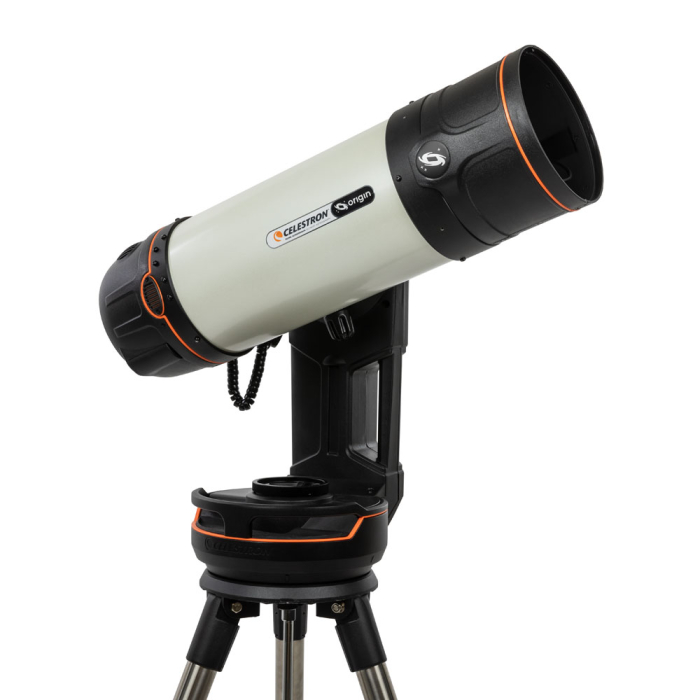
Celestron's intelligent home observatory continues to sit at the crest of the automated telescope wave, with the Celestron Origin Mark II Smart Telescope. Iterating on the fantastic Origin platform, this offering brings you one of the premier all-in-one offering with a new STARVIS 2 sensor for a higher resolution take on an already stellar system. Join the forefront of the smart telescope universe and experience a modern telescope with a traditional astrophotography heart!
The Mark II keeps the same patented Rowe Ackermann Schmidt Astrograph (RASA) optical core, continuing this platform's unmatched light gathering capabilities in the smart telescope realm. These incredibly fast f/2.2 optics have been paired with a new sensor, swapping the STARVIS line imaging chip for a STARVIS 2 that gives you an even higher resolution 8.3 MP window into the universe and a better match for optics. Understanding that image processing is half the battle in astrophotography, Celestron utilizes AI image editing to bring out hidden details. This superb imaging core is backed up by a built-in computer running tailor-made software that allow the Origin Mark II to automatically align and calibrate, and make controlling it incredibly simple. In the world of smart telescopes, the Celestron Origin Mark II is not just another smart telescope, it’s your personal home observatory.
Celestron Origin Mark II At a Glance
|
|
|
|
|
|
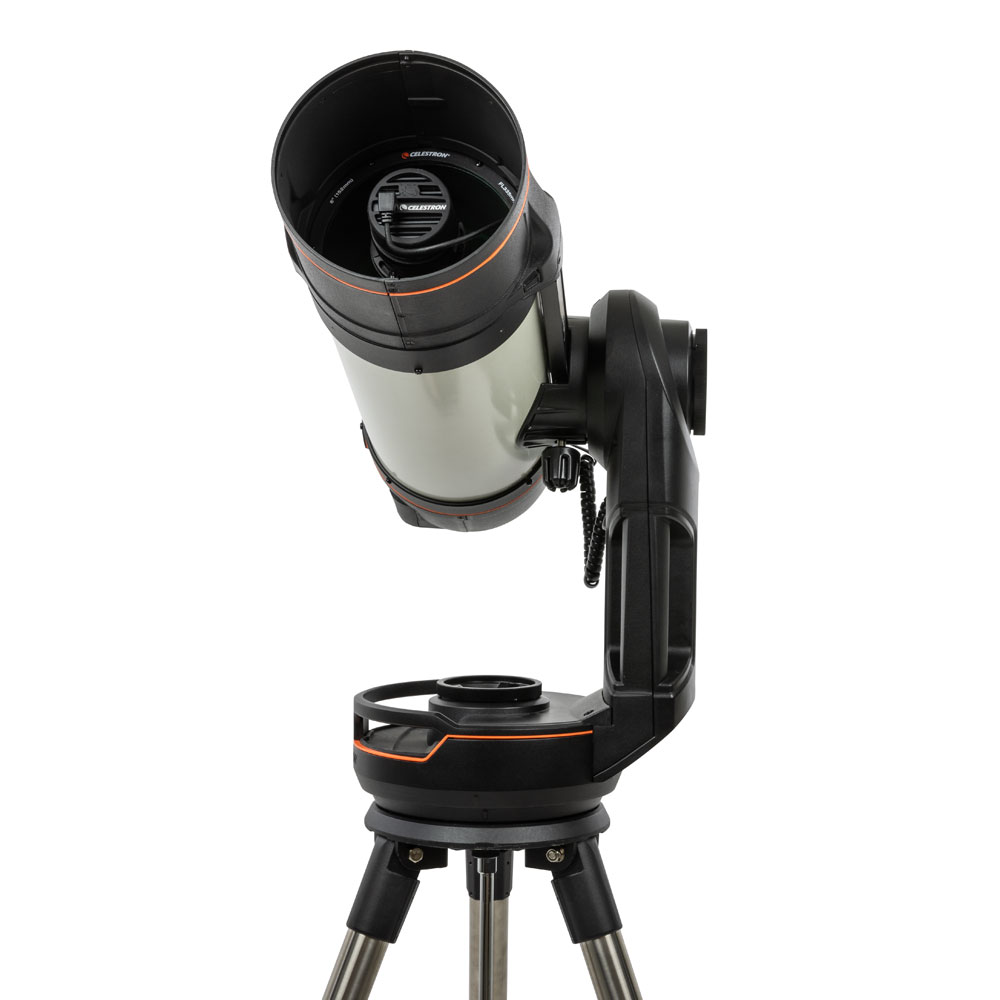
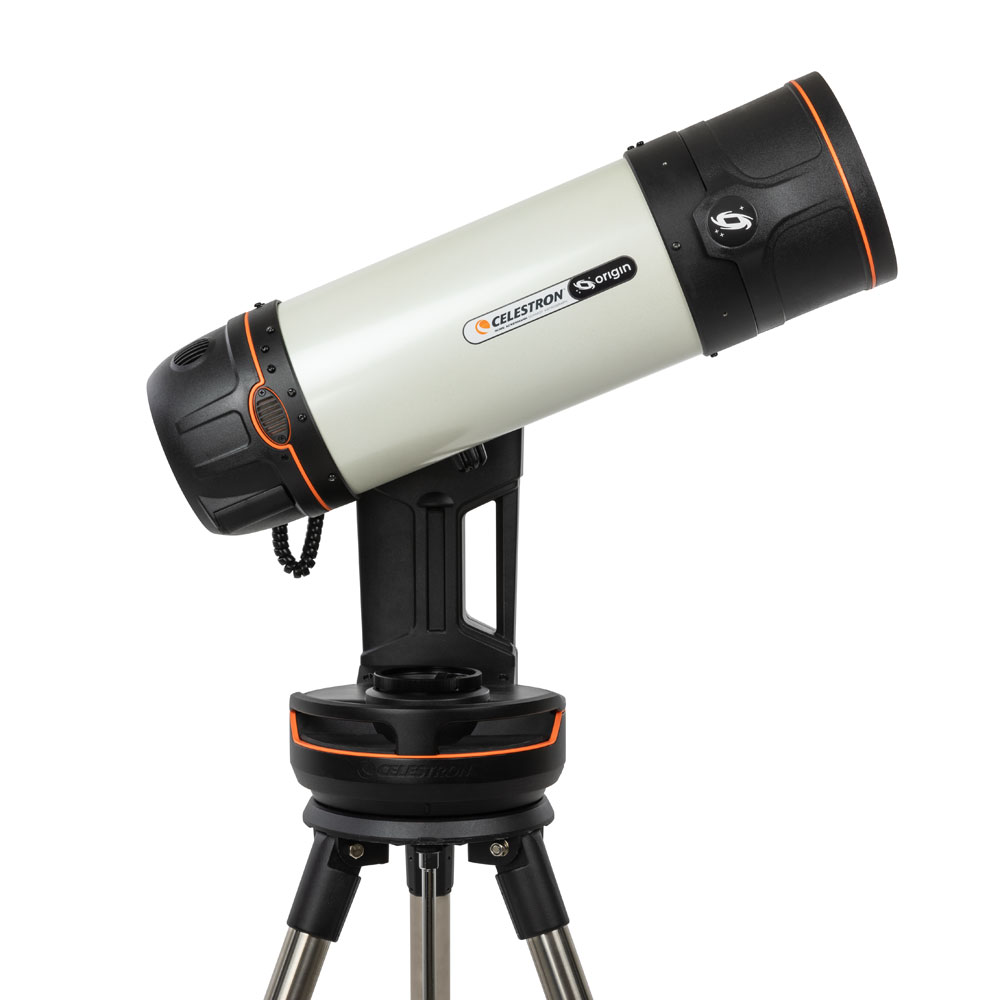
Reveal the Stunning Beauty of the Universe with Lighting Fast Optics - Only Available from Celestron
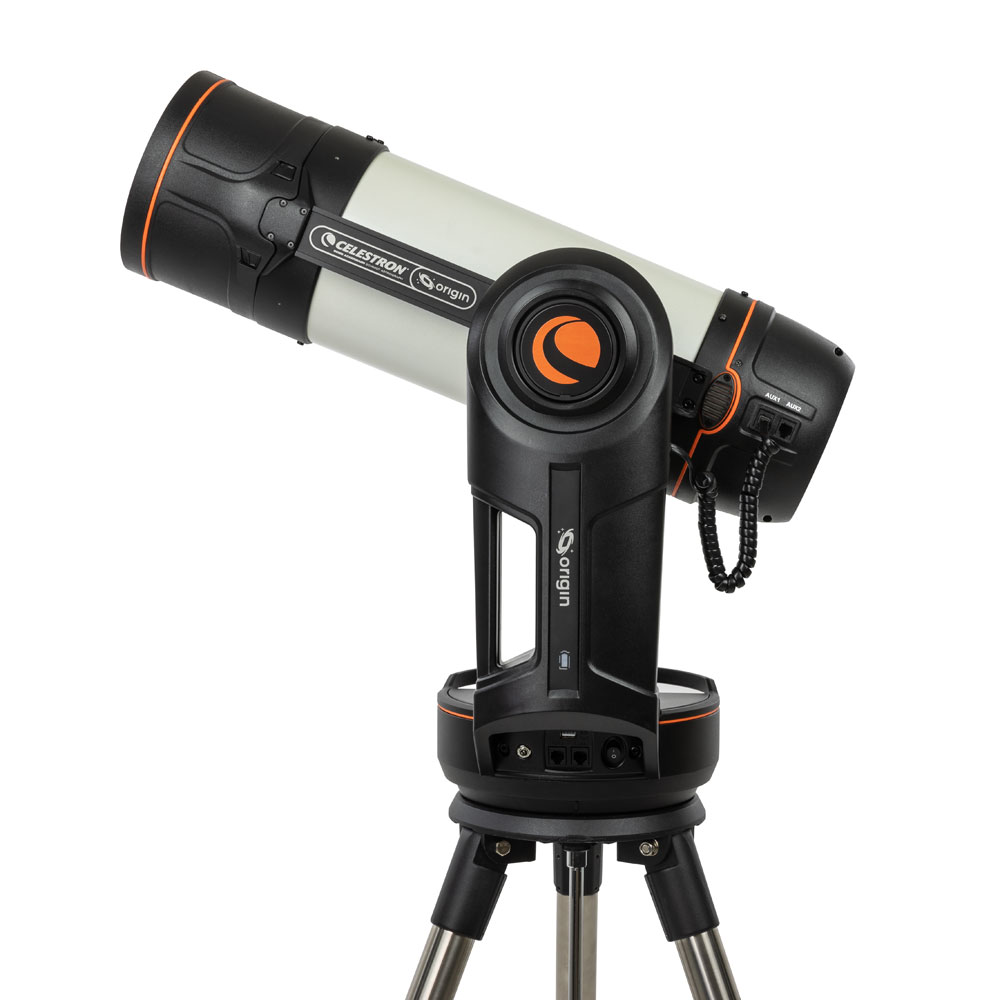
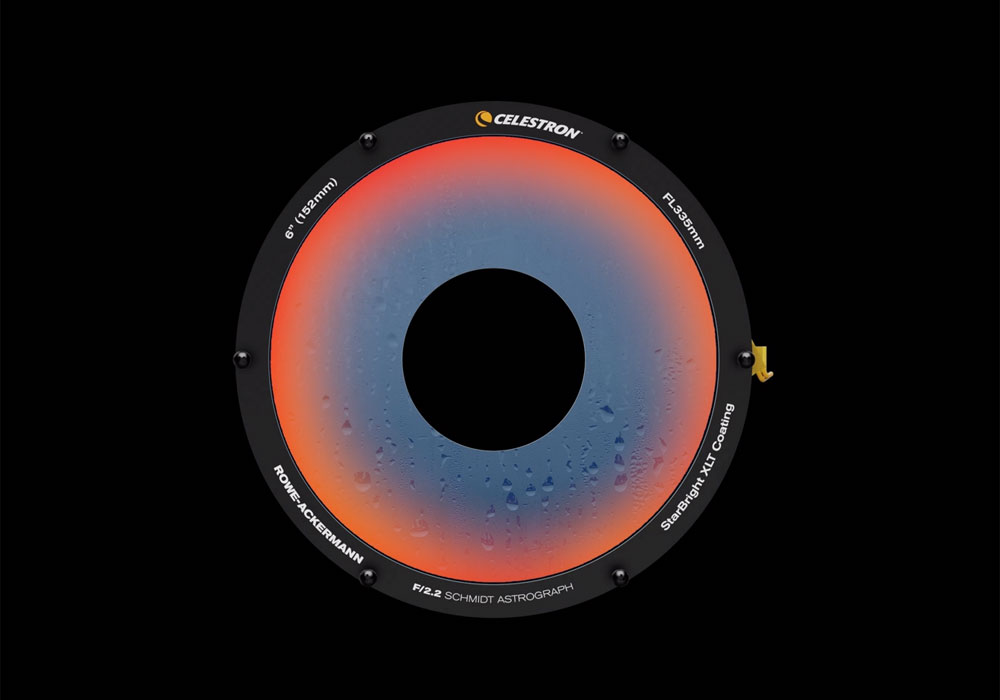
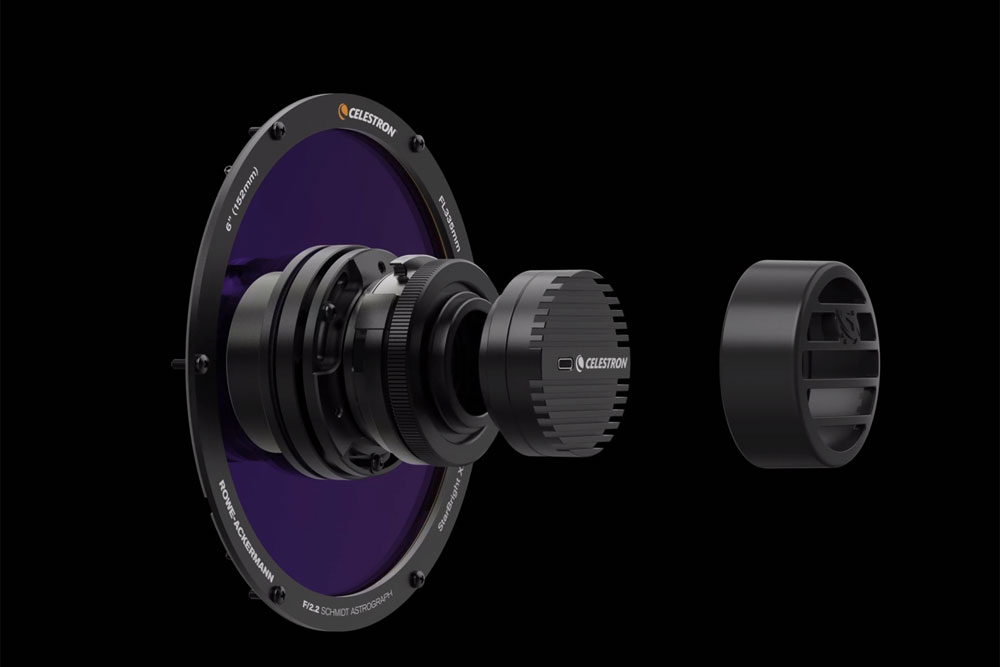
If you want quality images, you need quality optics. With the Origin platform, Celestron wasn’t content to just tick this box - they needed to “go big”. With their RASA optical system and custom-made optical tube, the Origin Mark II certainly sets itself apart. Patented by Celestron, the Rowe-Ackermann Schmidt Astrograph (RASA) was purpose built for astrophotography and speed. It is hard to overstate just how fast this optical design is; as a point of reference this system is just under 2 “stops” faster than other f/4 smart telescopes on the market, where 1 stop is equivalent to a doubling of the light captured in an image. In fact, the RASA design is so fast that these systems require specially designed filters to keep up with its speed. With these quick 6” f/2.2 optics, the Origin Mark II can capture significantly brighter images than the competition can in the same amount of time. The faster your optics go, the more crucial it is to nail your focus, something Celestron has made easy with the autofocus feature on the Origin Mark II. More conventional telescopes can accomplish a similar feat with external accessories and software, but the Origin platform continues to push the envelope by building all of this inside the optical tube and Origin’s software. Say goodbye to focus knobs and Bahtinov masks! The Celestron Origin Mark II has several main features to ensure the clarity of its optics. An integrated dew heater ring prevents condensation from forming on the RASA corrector plate, by heating it just above the dew point. This is done automatically by using an integrated thermistor and environmental sensor. A cooling fan ensures thermal equilibrium inside the optical tube. To top it off the RASA has a dew shield integrated up front to minimize stray light, improving contrast and additionally providing passive dew prevention.
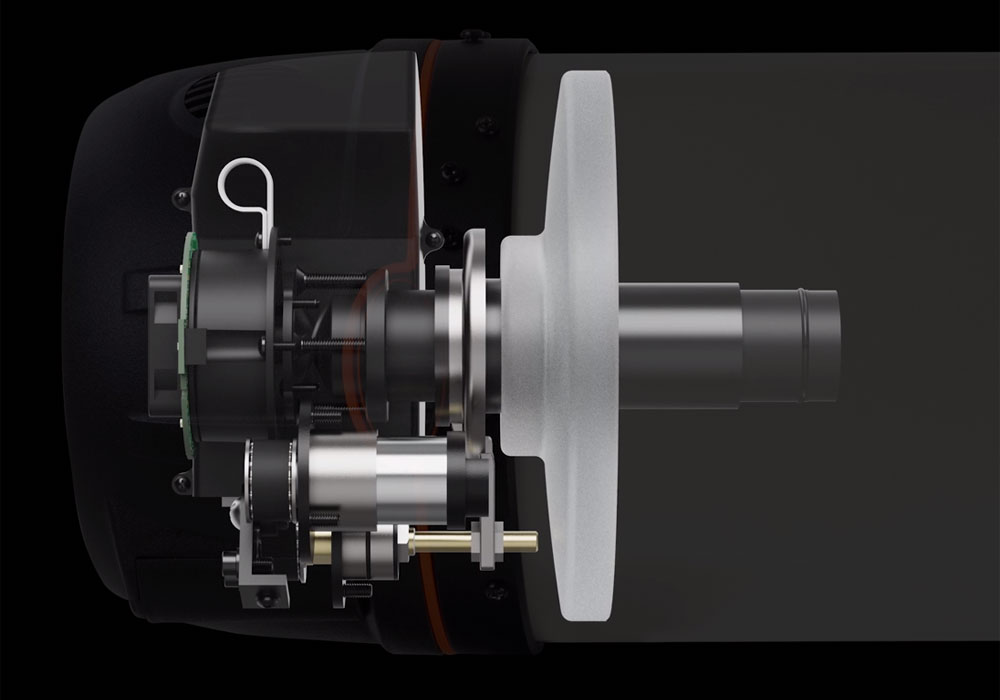
Thoughtfully Paired Imaging System with Onboard Computer and Accessory Compatibility
A high quality telescope requires a just as impressive system in place to maximize the light gathering capabilities of the optics, and the Origin Mark II focuses on this aspect further with its new IMX678C sensor. This STARVIS 2 sensor gives you more resolution, with about 2 more megapixels than the original for sharp 8.3 MP shots. The 2 μm pixels provide a better focal length match, which when combined with the comparable performance and higher resolution provide even more stunning results than before. This sensor also features a modern 16:9 aspect ratio, for images that are right at home on today's wide-screen devices!
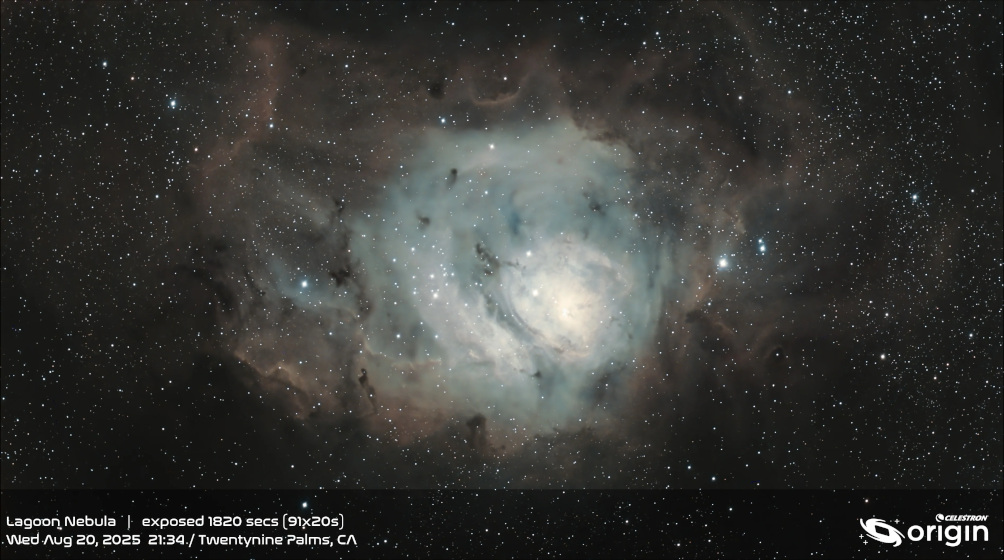
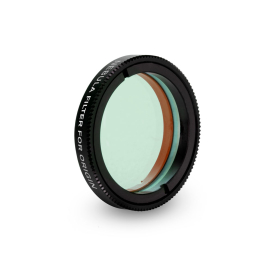
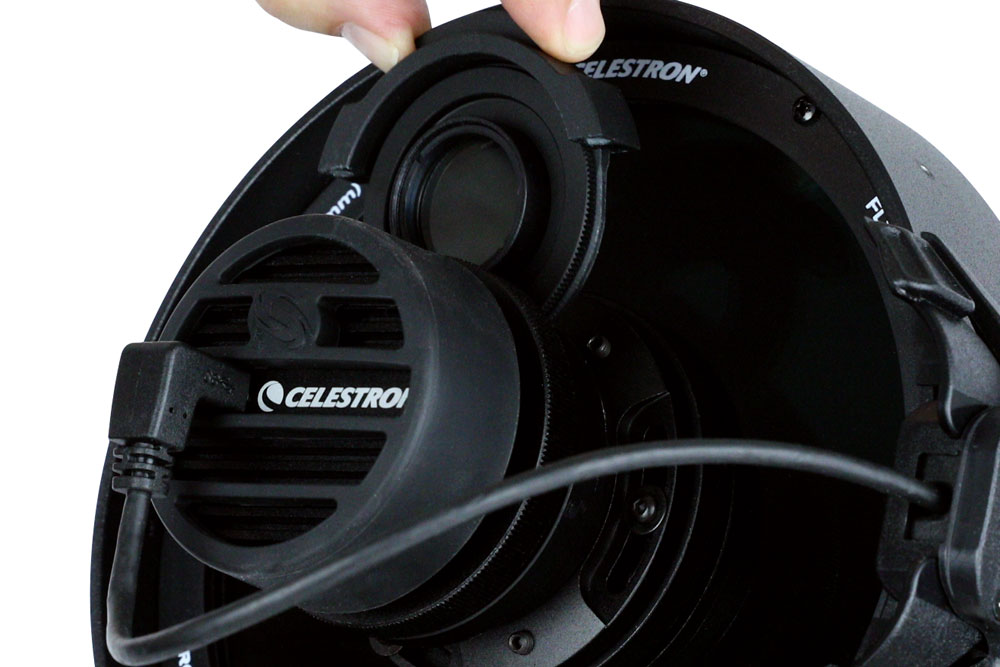
When it comes to optimizing the captured signal, the Origin Mark II doesn't stop here. An onboard computer stacks and preprocesses the frames for you in real-time and is fitted with AI algorithms from a leading AI firm to boost color value and clarity. A separation between the computer and the optics, along with a passive cooling fan, prevents any excess heat generated by the computer to interfere with image quality. Understanding that accessories and the ability of upgrading are a huge part of astrophotography, Celestron has integrated a 1.25" and 2" filter drawer for use with an optional Celestron Origin Nebula Filter. You can also add your own filters as well, noting the maximum supported filter shoulder height is 8 mm. In addition, having a user accessible camera, the Celestron Origin Mark II is ready to take advantage of future sensor technologies as compared to other smart telescopes.
Smart Device-Dedicated Astronomy Elevated to New Heights with the Easy-to-Use and Intuitive Celestron Origin App
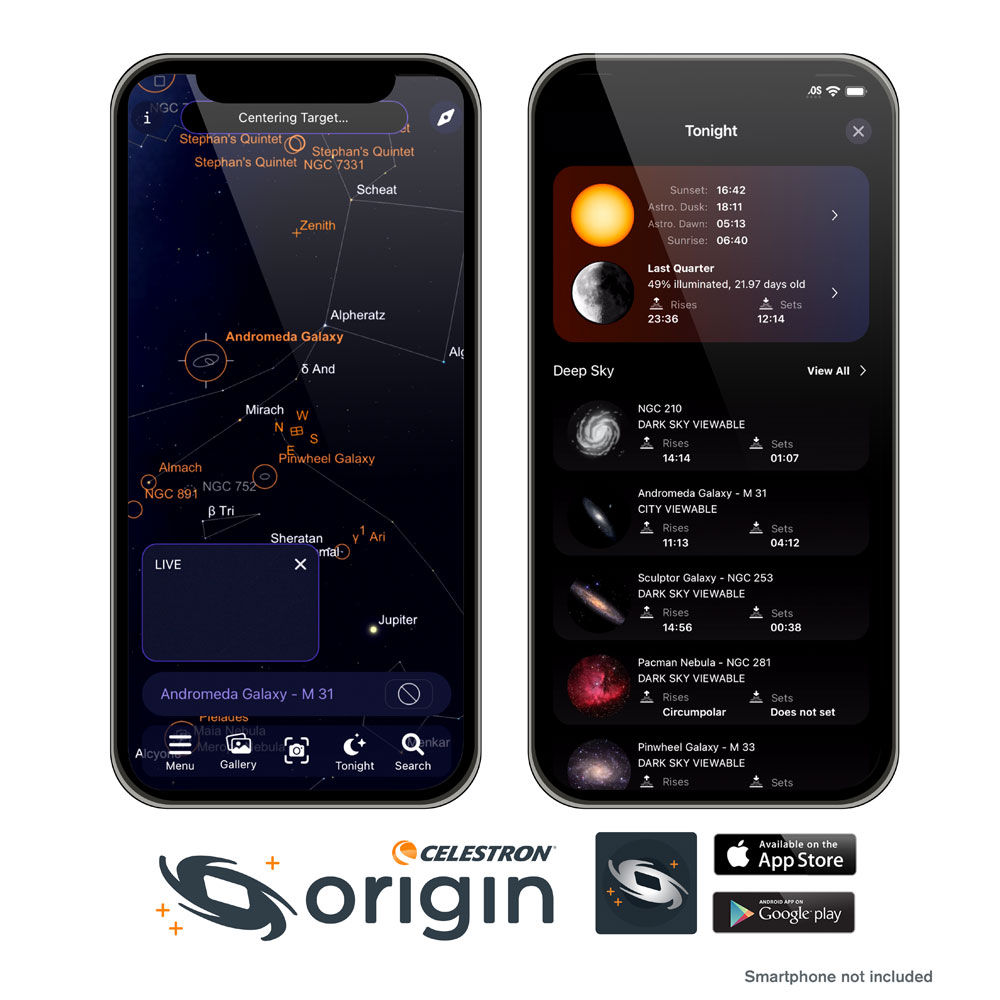
If the optics are the heart of a smart telescope and the computer is the brain, then the app is the voice that not only controls but dictates the celestial discoveries that are viewed by astronomers. Developed in partnership with Simulation Curriculum, known for world renowned Sky-Atlas software, the Celestron Origin app takes user experience to the next level.
The Celestron Origin app, compatible with iOS and Android devices, simplifies smart telescope control by providing the easiest platform across all smart telescopes that is intuitive for those new to the hobby yet powerful enough to satisfy veterans in astrophotography. The Origin app intelligently selects settings for you; but you can also fine tune settings to your liking and add your own finishing touches to images. Included is a planetarium interface, live view option, compass mode and even a “tonight’s best” list of objects for those unsure of what to view. Yet again, Celestron has thought of everything— with additional camera ISO and manual image processing controls that make this intelligent observatory shine even brighter.
Taking less than 2 minutes to align thanks to the integrated StarSense technology, simply select your desired object and switch to Live Image View mode. Within a matter of seconds, you will see your favorite object begin to appear. Even in this initial few exposures the details you’ll be able to see will be significantly better than what is visible through larger traditional telescopes under darker skies, and can adjust the composition as desired with the handy re-centering tool. Now sit back, and enjoy as each subsequent exposure will allow you to see, in real time, the live stacking progression made possible by artificial intelligence algorithms from a cutting-edge AI firm in the United States.
Please Note: The Celestron Origin app requires your smartphone or tablet is running at least iOS 16.6 or Android 12.
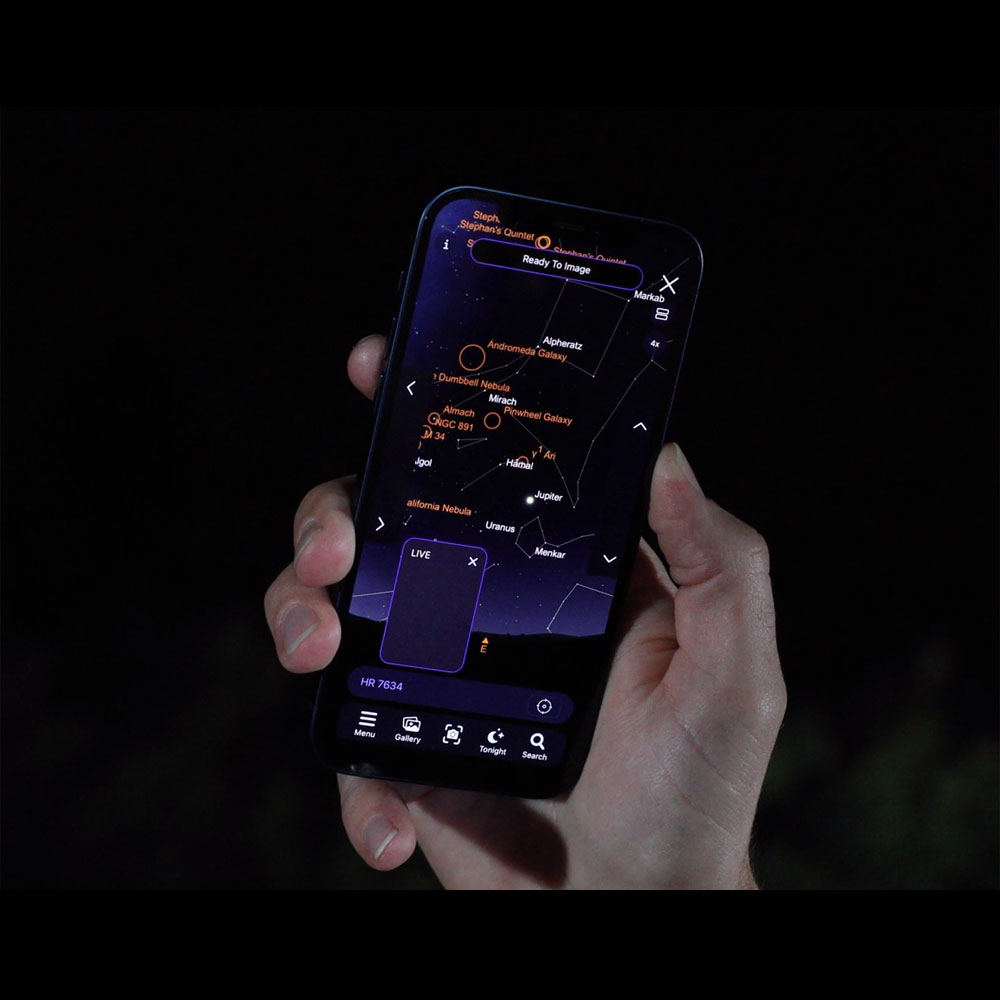
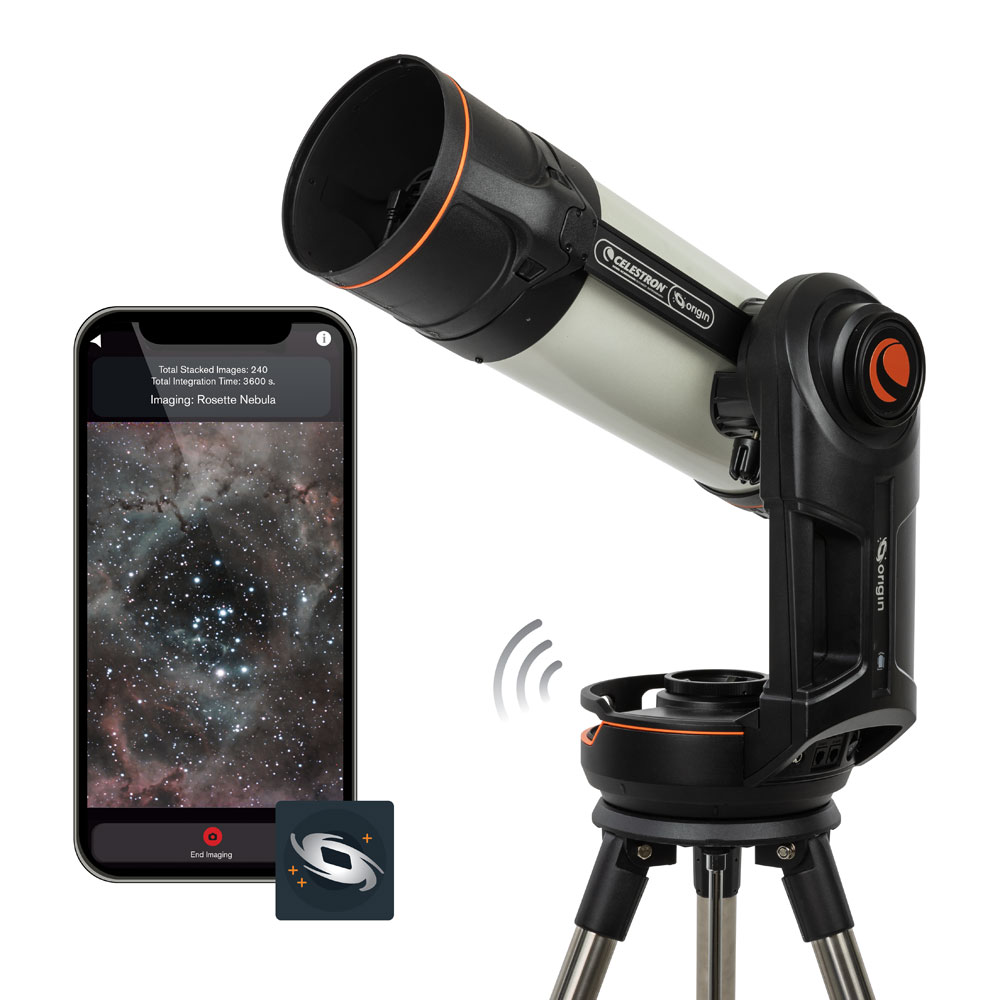
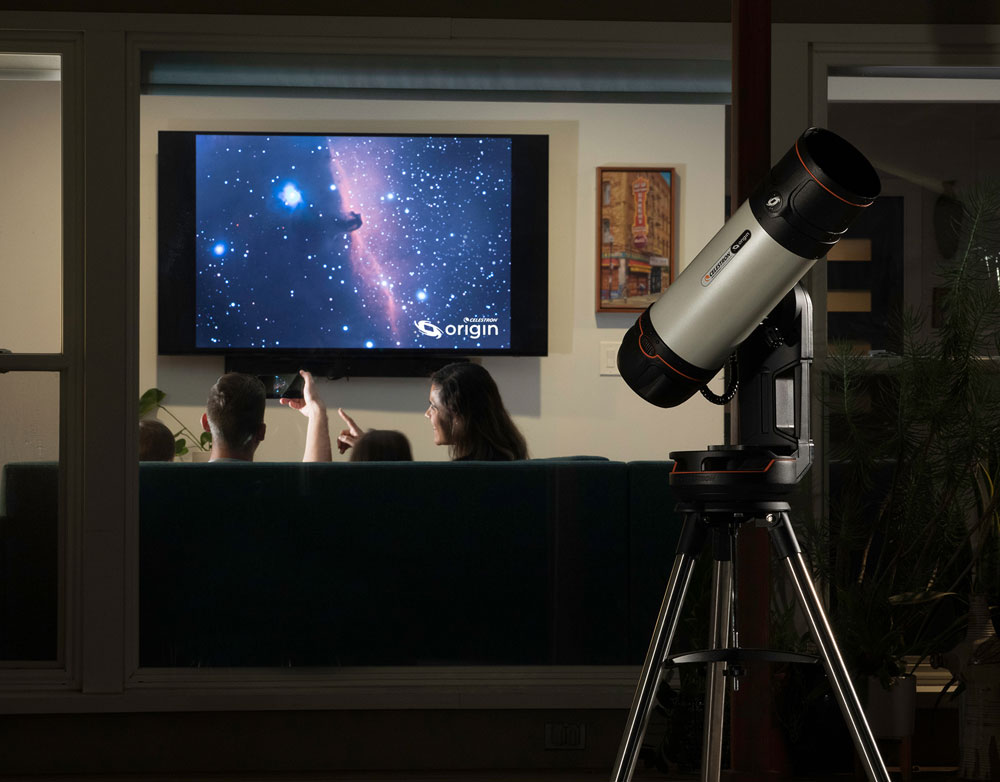
To share your journey through the night sky, the Origin Mark II allows multiple users to connect to the app simultaneously. For an even more immersive experience, the Origin app supports mobile device screencasting technology to bring the universe to the big screen. Expanding this concept even more is the integrated share button, providing an easy means of posting it to your social media accounts! You can easily share your shots with your computer as well, with a convenient USB port for transferring images to a flash drive; as well as WiFi file transfer that allows you to download your RAW or processed images remotely!
Precise, Portable, & Multifaceted - Check Out These Additional Features of the Celestron Origin Mark II Smart Telescope!
There’s even more to the Origin Mark II! Excellent optics, innovative imaging and processing technology, and an easy-to-use app are all supported by the reliable included mount and budding ecosystem of optional accessories. The Celestron Origin Mark II isn’t just an intelligent observatory for the home either, with portability and easy setup features integrated throughout!
NexStar Evolution Fork Arm Mount
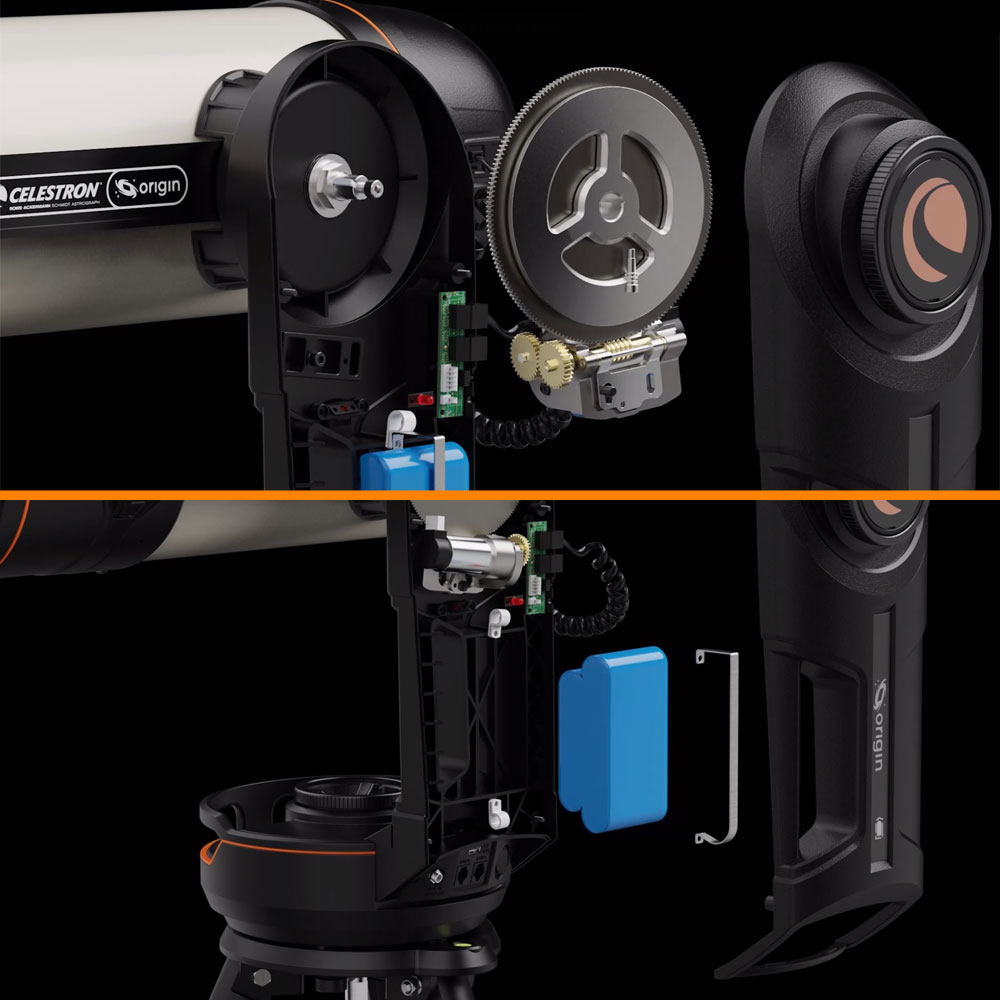
The incredible optics and innovative electronics of the Origin Mark II rest
on the shoulders of a rock-solid, tried-and-true mount. Based on the
higher-end Alt-Az mount from Celestron, the NexStar Evolution, the Origin
Mark II mount features brass worm gears on both axes for confident and
precise motion. The manual clutches and convenient carry handles make setup
and take down a breeze, and the sturdy, adjustable, tripod ensures you have
a level and steady platform for this intelligent home observatory. To power
it all, Celestron has packed a lithium battery into the mount that will
drive the Origin Mark II system all night. Based on lithium iron phosphate
battery chemistry this battery is designed for longevity, as it does not
require the same constant recharges to help it “keep” when not in use.
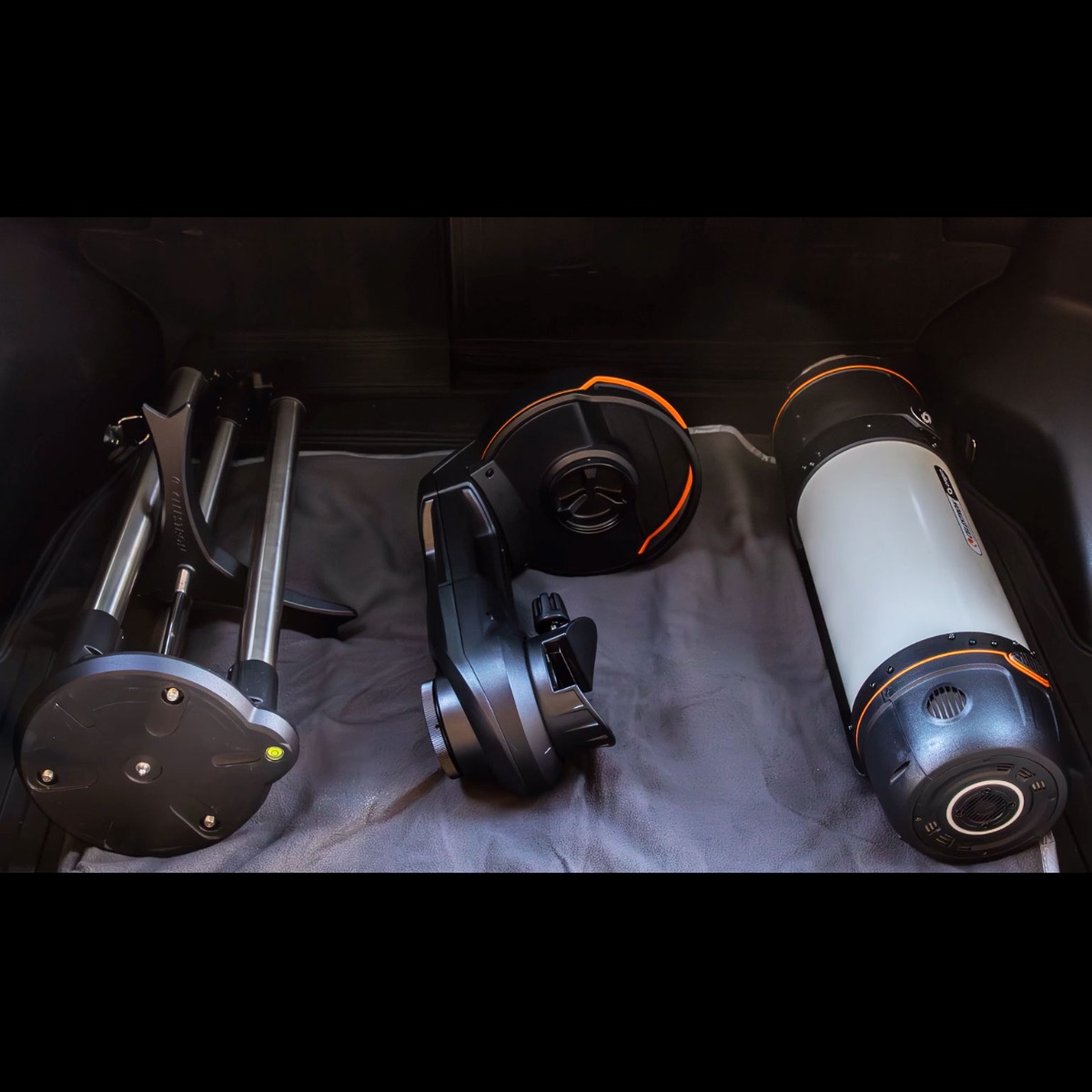
Powerful & Portable
The increased stability of the Celestron Origin Mark II Home Observatory
does not mean Celestron has sacrificed portability. The portability of your
smart telescope can enhance your viewing and imaging experience, as some
celestial objects are only visible in certain locations. Celestron has made
sure that you are able to transport your entire Origin Mark II Intelligent
Home Observatory with no hassle! Your Celestron smart telescope gear can be
broken down into three separate components: the OTA, the mount head, and the
tripod. None of the three components weighs over 17 lbs, and they fit easily
into the trunk of most vehicles.
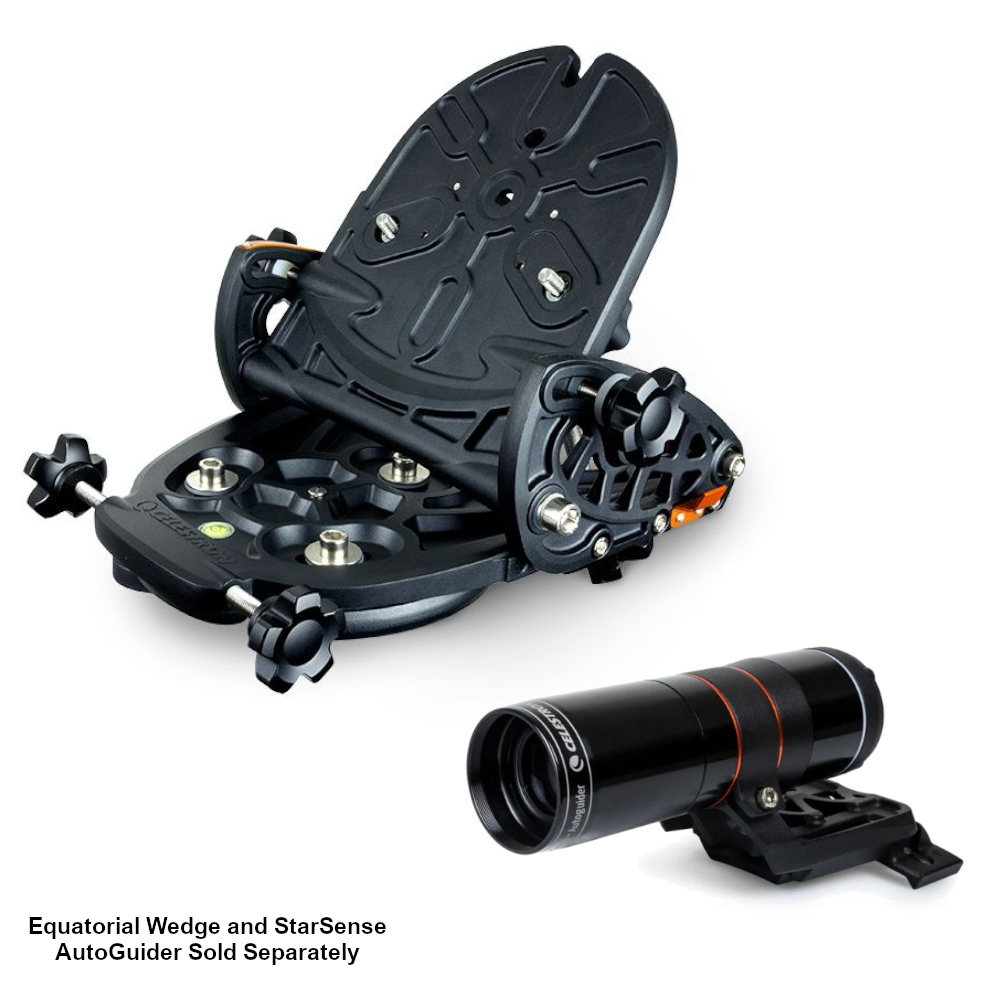
Unlock EQ Mode with Optional Accessories
Keep more and
take in more with EQ mode! With the
Celestron Equatorial Wedge for NexStar Evolution and 6/8 SE Telescopes
(sold separately) you can not only keep the Origin Mark II centered on your
target of choice, you can also keep its orientation locked in as well. Once
polar aligned with the help of the easy to follow alignment assistant in the
app, your smart scope will conquer field rotation and open up longer
exposure times* for "fanned" edge or aggressive crop free crisp and detailed
final images! For narrowband filter users looking to push each exposure on
target to the limit, the Origin Mark II additionally supports Celestron's
intelligent
Celestron StarSense AutoGuider (2025) V2
system (sold separately). Using this in conjunction with the equatorial
wedge unlocks 60s+ exposure times to bring out more detail when even today's
incredibly narrow bandpass filters are in use!
* Please Note: Celestron recommends integrating your Origin Mark II with
the Celestron StarSense AutoGuider for best results with exposure times
over 30s, and requires this addition for 60s+ frames. Due to the
incredibly fast optical system, long exposures are only recommended when
filters are in use. When using exposures of this duration, Celestron
recommends recapturing dark frames. A 90° power plug is recommended if
you intend to use the Origin Mark II on the equatorial wedge while
powering it externally.
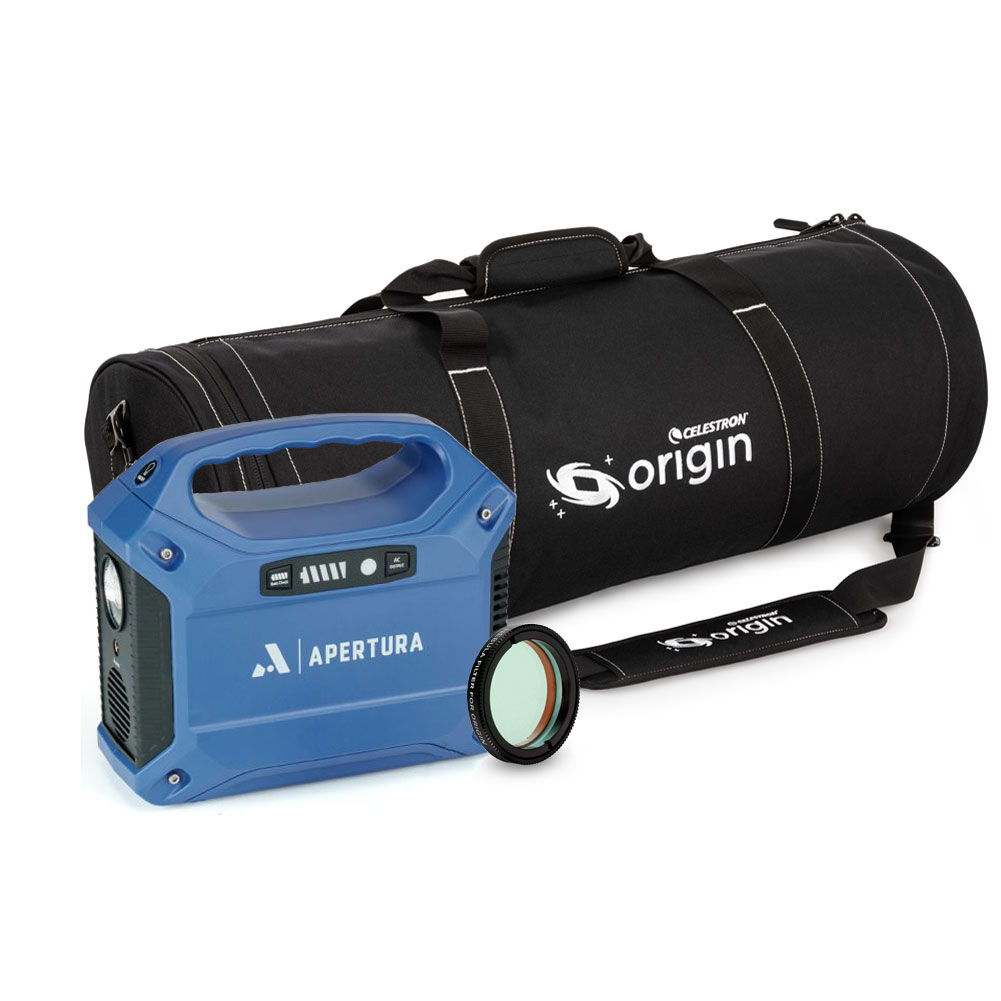
Plethora of Optional Accessories
Celestron has ensured that the Origin Mark II Smart Telescope performance is
unparalleled right out of the box. However, there are several accessories
that can supplement your Origin experience, and some that will increase the
capabilities of your smart telescope. As mentioned above, Celestron has
designed a
1.25” Nebula Filter
to increase the nebulosity seen through your Origin Mark II scope. Also
designed specifically with the Celestron Origin platform in mind is a handy
Carrying Bag
that is made to snugly fit your 6” RASA OTA as well as aesthetically match
your equipment’s logo. Want to increase the amount of time you can use your
Origin Mark II telescope without needing to charge the lithium iron
phosphate battery in the mount? We recommend the
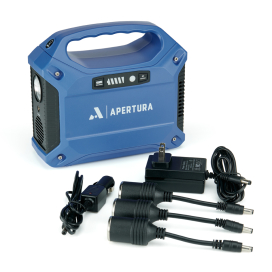
Apertura Portable 155Wh Lithium Power Supply
so you can expand your imaging time between charges!
Frequently Asked Questions
Do I need to collimate the Celestron Origin?
Celestron precisely collimates each Origin prior to shipment, and collimation from the user is typically not required. Significant drops or drastic impacts may result in misalignment of the optics, however. If this is the case, the tip-tilt screws on the front lens cell assist with alignment. Be sure to refer to the instruction manual before adjusting these screws to ensure the utmost precision. The Schmidt corrector and primary mirror cannot be adjusted by the user as they are adhered in place. If your scope is far out of alignment, your Origin will need to be sent back to Celestron for proper adjustment.
What is the battery life of the Celestron Origin?
On full charge, you can expect about 6-7 hours of battery life under normal conditions. In colder climates, particularly below 50°F (10°C), the battery life of the Origin may drop to below 6 hours as all rechargeable batteries are subject to reduced performance in colder temperatures. For constant, stable power, we recommend using an external power supply such as the Apertura Universal 5A AC Adapter to keep your system powered all night long!
Can the Origin be used for planetary imaging?
The Celestron Origin shines for deep sky imaging, and is generally not recommended for planetary imaging. The short focal length of 335 mm is best suited for wide, sweeping captures of vast nebulae and galaxies.
Can the Celestron Origin be used as a conventional telescope with an eyepiece?
The Celestron Origin cannot be used like a regular telescope with an eyepiece. This system is strictly for astrophotography, utilizing a camera and displaying your captures on your smart device.
Can the Celestron Origin be used for solar astrophotography?
Currently, Celestron does not offer a solar filter for the Origin, therefore it cannot be used for solar astrophotography. The Celestron Origin also does not include a solar tracking mode. Never point your telescope at the Sun as serious damage can occur.
What’s new about the Celestron Origin Mark II?
This new Origin is equipped with the IMX678C sensor. This STARVIS 2 sensor delivers more resolution, with about 2 more megapixels than the original for sharp 8.3 MP shots. The 2 μm pixels provide a better focal length match for improved image sampling, which when combined with the comparable performance and higher resolution provide even more stunning results than before.
What is the WiFi range of the Celestron Origin?
The WiFi range is approximately 30-50 ft (9-15 m). You also have the option to connect your Origin to your home WiFi, allowing you to operate this smart telescope from anywhere your home WiFi reaches.
What is the WiFi password for the Celestron Origin hotspot?
The initial password is 12345555. This password can be changed within the Origin app via Menu > Settings.
How do I connect my Celestron Origin to my home WiFi?
First, connect your smart device to the Origin hotspot. Next, boot up the Origin app and navigate to Menu > Settings > WiFi Settings. Enter the credentials of your home WiFi. Your Origin will then restart (takes about 30 seconds) and connect to your home network.
What is the internal storage capacity for the Celestron Origin?
The Origin boasts 50 GB of internal storage. By default, the Origin does not save raw FITs files to preserve memory. You do have the option to save FITs files by navigating to Menu > Settings > Advanced > Save Raw Images.
How do I obtain the raw files from the Celestron Origin?
To offload the raw files from your Origin, insert a USB thumb drive into one of the ports on the Origin body. Within the app, navigate to Menu > Settings > Manage Remote Files. Select “Copy All to USB” to initiate image transfer. You can then select “Delete All Image Directories” after your images have been successfully transferred to clear your Origin’s internal storage.
Astronomy Hub: Your one-stop-shop for Astrophotography Knowledge!
Our Gear Experts have compiled a wealth of information to help expand your astrophotography knowledge! Below you’ll find links to articles, videos and "how-to" guides. Just one more reason that our Astronomy Hub is a one-stop-shop for all your astronomy and astrophotography needs!
| The Ultimate Guide to Dark Sky Parks |
| When is the Next Solar Eclipse? |