
OCAL Electronic Telescope Collimator 4.0
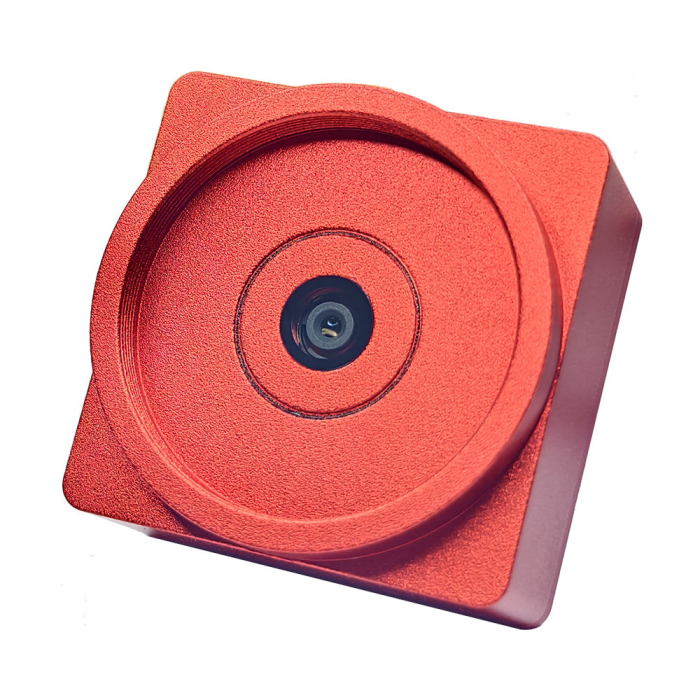

OCAL Electronic Telescope Collimator 4.0
Ensure your optics are working their best, with this precision collimation tool! This fourth generation collimation tool brings you incredible precision and image clarity for an alignment that is spot on. Realize maximum performance without involved laser systems or hardware tools, with the OCAL Electronic Telescope Collimator 4.0!
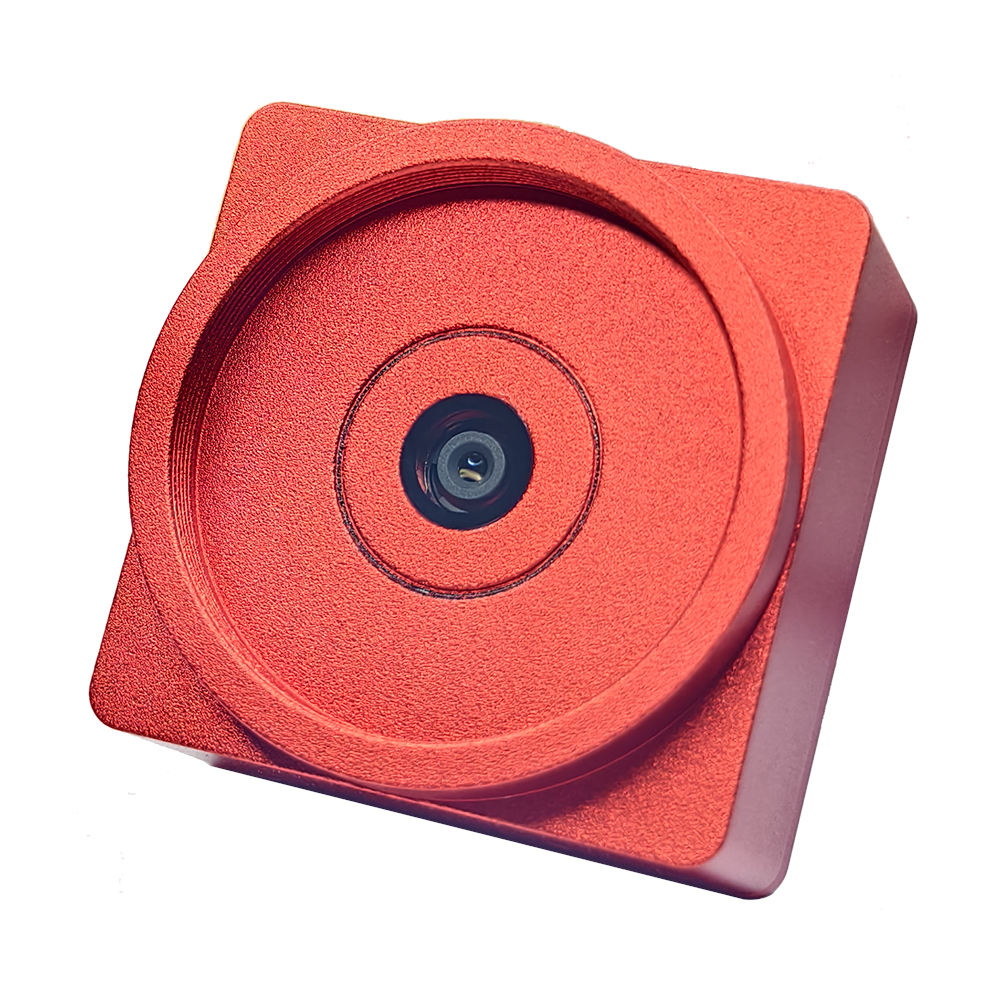
Secure superb optical alignment in your Newtonian, RC, or SCT reflector before your trip out under the stars, with this tool from OCAL. Simply connect the OCAL Electronic Collimator 4.0 to your reflector, install the companion Windows, Mac, or Android program, and follow OCAL's detailed guide to bring your reflective optics into electronically precise alignment. This is possible thanks to the meticulous assembly process and design that OCAL has implemented, which places their highest resolution sensor to-date, a 12 MP CMOS, solidly in place and gives this the shock resistance & accuracy of the previous generation's top-of-the-line 3.0 MAX model at a better value. In a perfect system, this collimation tool has a theoretical collimation accuracy of 0.08 mm, proving itself as an incredibly accurate system for lining up your optical elements. This accurate alignment can be achieved with just this one tool; no hardware swaps or laser targets required!
OCAL Electronic Telescope Collimator 4.0 At a Glance
|
|
|
|
|
About the OCAL Electronic Telescope Collimator 4.0
Learn about how the OCAL Electronic Telescope Collimator 4.0 elevates your optic's alignment below!
How it Works
The OCAL 4.0 uses a precision aligned and mounted CMOS sensor to peer
through your optical system. Similar to a Cheshire eyepiece or collimation
cap, you line up the optical components so that they are perfectly aligned.
Unlike those tools however, the OCAL Electronic Telescope Collimator 4.0
removes sources of human error like constant and dead-on head positioning or
mis-judgement of center. It does this by displaying digital overlays over
the image coming through the OCAL; line up the main circle with the
drawtube, then place a number of adjustable size overlays dead center to
precisely line up each optical component. By lining up components in this
way, you can even correct for errors like an offset mirror center spot that
simple laser systems can't account for.
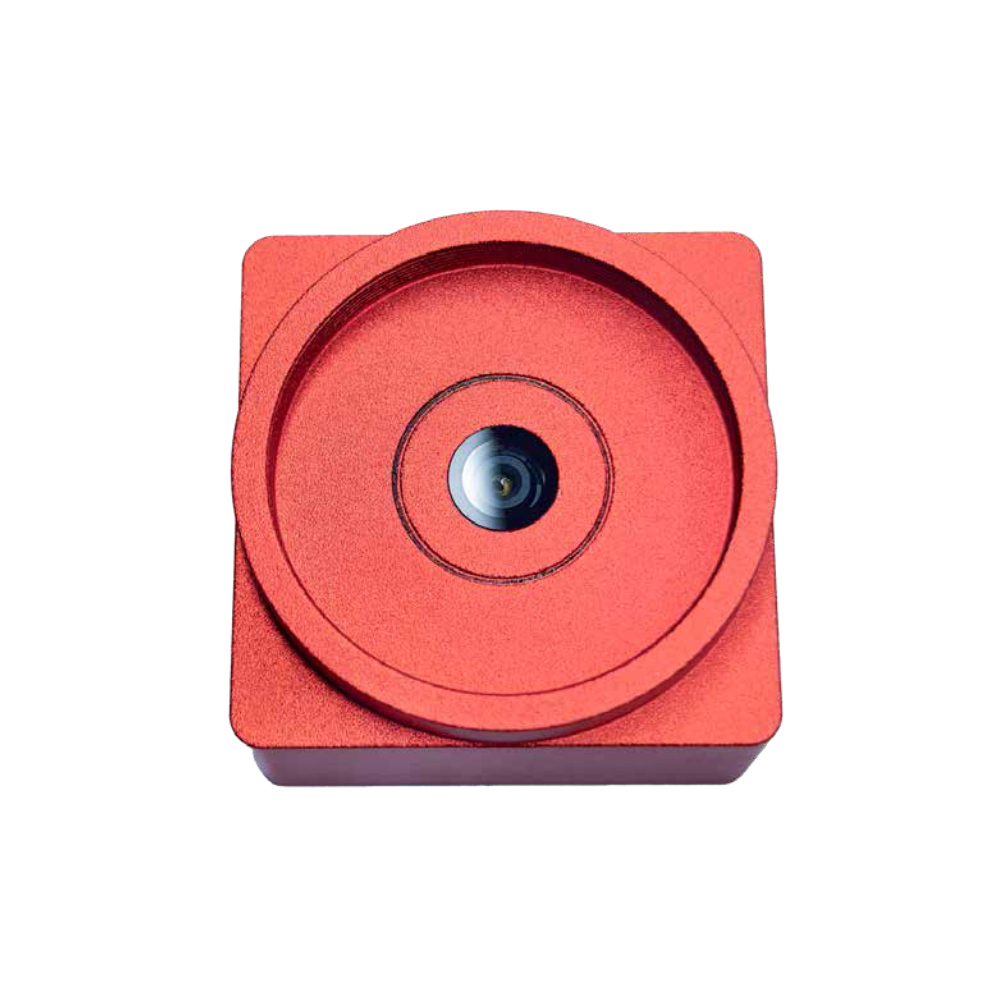
Premium Build
OCAL has made four generations of
precision collimation tools, with the OCAL 4.0 bringing this knowledge into
one incredibly accurate offering. The 3A assembly process pioneered in their
previous 3.0 MAX model has been combined with stability upgrades for a
sensor alignment that is very precise and more resistant to the knocks and
shakes of daily use. This makes for a tool capable of a theoretical 0.08 mm
collimation alignment, housed in a sturdy and sleek red aluminum body.
Hardware and Software Compatibility
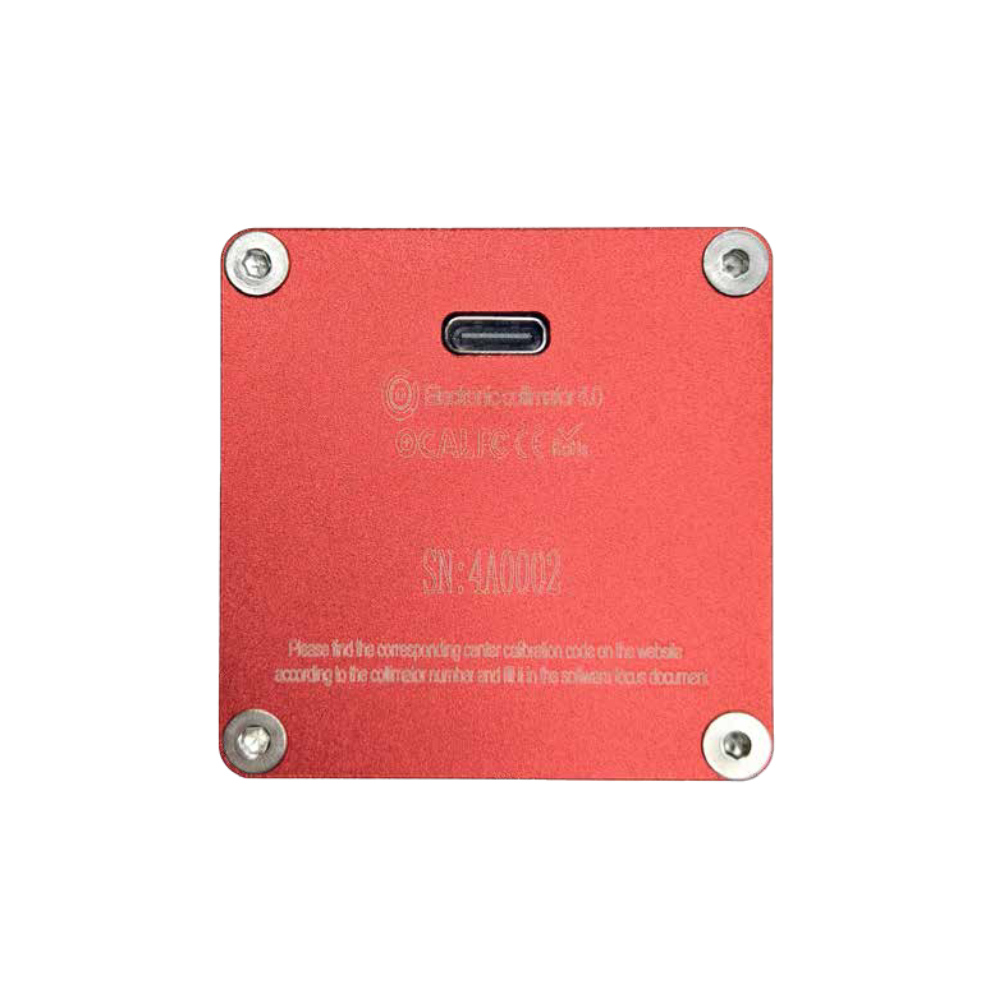
The OCAL 4.0
provides two connection types out of the box. Built into the device is an
M42 female thread for connecting the OCAL 4.0 ot threaded optical trains,
with an M42 to M48 step-up adapter to accommodate both common connection
types out of the box. For systems using a visual, compression fitting style
connection, an M42 to 1.25" nosepiece is also included. To connect the OCAL
4.0 to your computer or mobile device, a USB-C port features on the back.
The device supports Windows 7 and later computers, Mac computers running
macOS 10.15 or later, and Android phones that can access the app in their
app store.
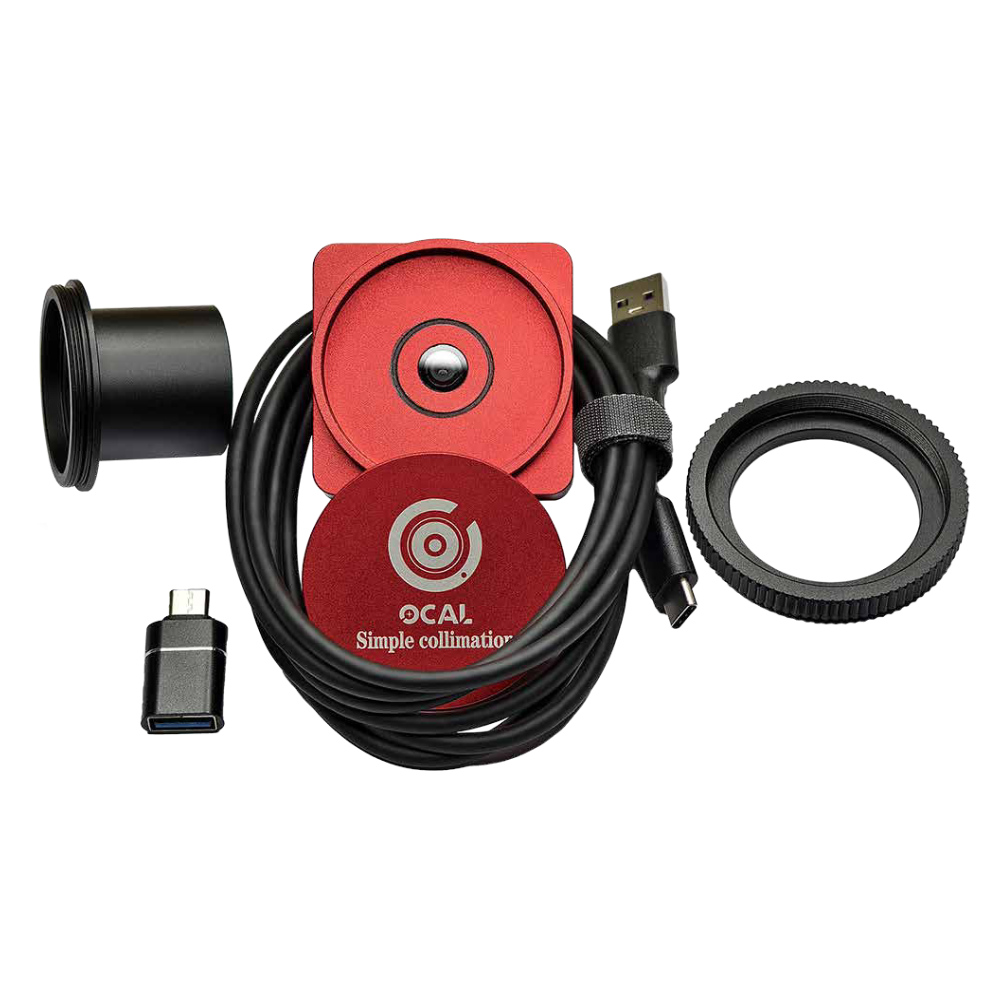
Included Accessories
The OCAL Electronic Telescope
Collimator 4.0 comes with a number of accessories to help you get started
out of the box. For optical train connections, a native M42 connection, M48
adapter, and 1.25" nosepiece adapter are included. A USB-C to USB-A male to
male cable is included for connecting the device to your computer, with a
USB-A to USB-C OTG adapter included that allows this to be connected to
Android mobile devices. The device also comes equipped with a metal lens cap
to keep things safe when not in use.
Frequently Asked Questions
What is collimation? Why is it important?
Collimation is
the process in which the optical elements of a telescope are aligned to
deliver the best performance possible. In refracting optical systems, lens
collimation is performed by the manufacturer at the time of assembly. In
contrast, reflecting telescopes contain mirrors that are often bumped out of
alignment. As a result, these types of telescopes require periodic collimation
from the user to ensure peak clarity and sharpness.
Is the collimation process the same for all reflecting telescopes?
While in principle you are doing the same thing for most reflectors,
aligning the primary and secondary optics through the focuser/ visual back, in
practice what components you'll be looking at and the procedural steps you'll
take to achieve that end goal will differ depending on optical design and how
the manufacturer has executed said design.
Do I need a tool to collimate my telescope?
There
is a method of collimating without a tool, called a star test. In this method,
the telescope is pointed at a bright star, then purposefully put out of focus.
By judging the pattern seen in the inside/ outside of focus light, one can
gauge and fine-tune collimation. However, this requires use of valuable
observing or imaging time, at night when it is dark and may be a bit difficult
to manipulate collimation hardware. Additionally, if your collimation is far
off, it might be difficult to even identify where to start. By contrast, most
collimation tools allow you to dial in your collimation during the day,
alleviating time pressure and giving you the space and additional insight to
finely adjust even a far out of collimation scopes. Most also allow you to
collimated in a neutral position, removing worries of dropping things inside
an upturned scope with designs that require screwdrivers or hex keys to adjust
secondary positioning.
How does the OCAL 4.0 compare to more conventional collimation
tools?
Tools like the collimation cap, collimation laser, or Cheshire
collimating eyepiece can be great tools for collimating your reflective
optics. However, these do have some weaknesses that the OCAL 4.0 solves for.
First, these methods all require human judgement in centering different
components/ reference points. The OCAL 4.0 does still rely on you to line up
components by eye, but by viewing these components on a large screen with
bright and precise reference circles/ crosshairs, while not needing to worry
about head positioning, judgement error is significantly reduced. Additionally
some of these tools assume that the center spot marks the actual center,
however tolerances in manufacturing can result in spots that are slightly off
center. The OCAL 4.0's method does not rely on this center point, and thus can
account for errors invisible to some other tools.
Astronomy Hub: Your one-stop-shop for Astrophotography Knowledge!
Our Gear Experts have compiled a wealth of information to help expand your astrophotography knowledge! Below you’ll find links to articles, videos and "how-to" guides. Just one more reason that our Astronomy Hub is a one-stop-shop for all your astronomy and astrophotography needs!
| Astronomy Glossary |
| The Beginner's Guide to Reflector Telescopes |