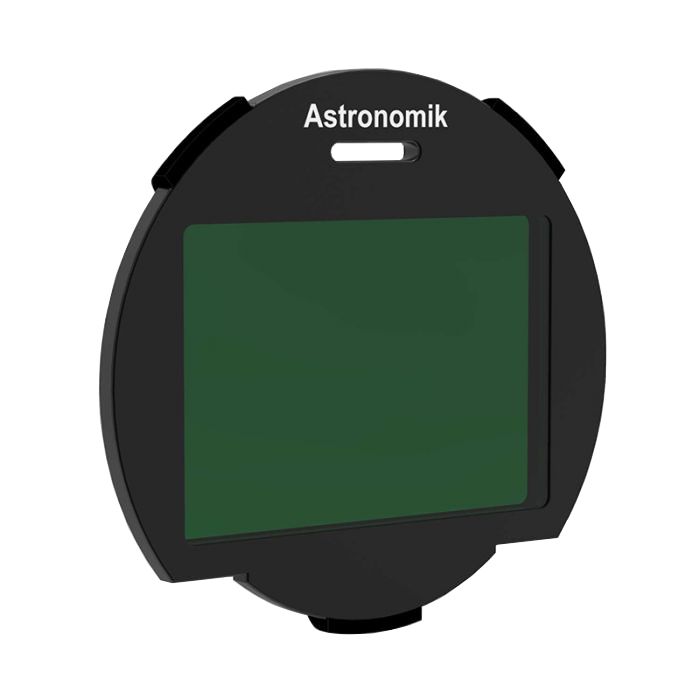
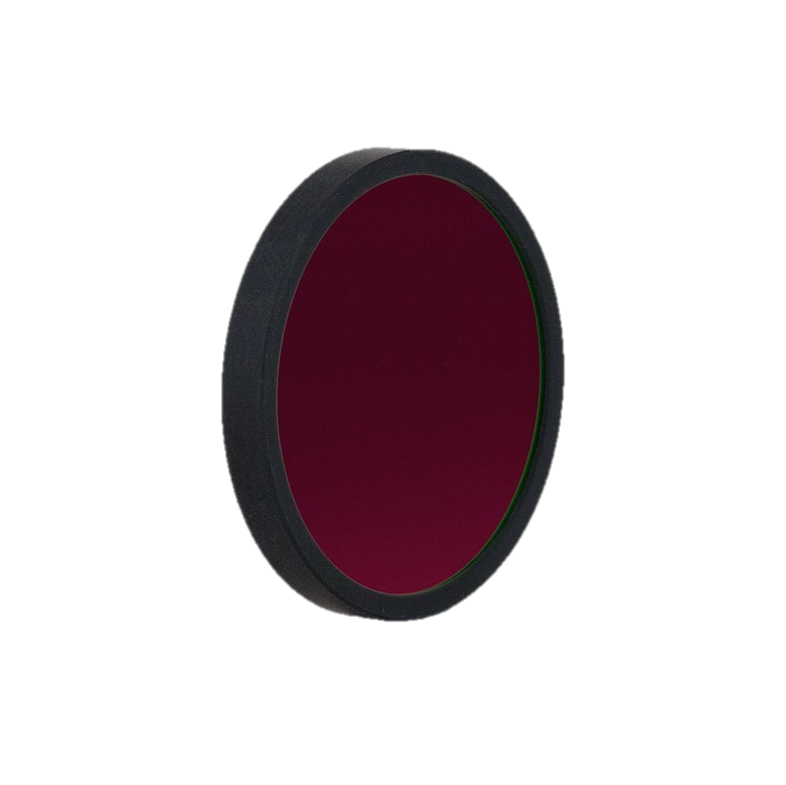
The sulfur-II emission line at 672.4 nm can be isolated using Astronomik SII filters, which are narrowband quality filters. This line reveals complex patterns within emission nebulae. They make fine details visible in broadband imaging that would otherwise go unnoticed by increasing contrast and efficiently blocking out ambient light. When combining SII, Hα, and OIII data, these filters play a significant role in Hubble Palette astrophotography, which produces eye-catching false-color compositions. Focusing on deep narrowband objects or creating realistic hues with LRGB or multi-bandpass filters are two imaging aims and sensor features that should be considered when choosing the appropriate filter set.
Highlighted Products
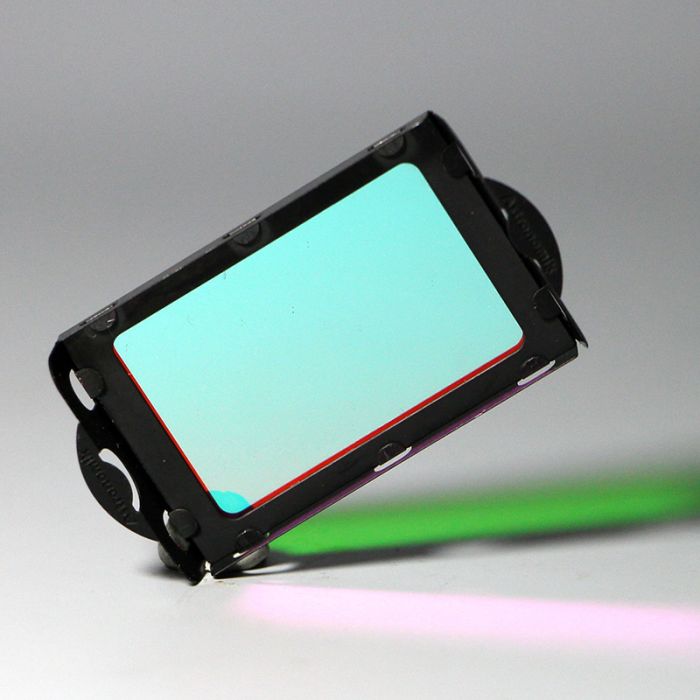
Astronomik SII 6 nm CCD Clip-Filter for Sony Alpha 7 and 9 Cameras
The Astronomik SII 6 nm CCD Clip-Filter for Sony Alpha 7 and 9 Cameras is a good filter for imaging cosmic bodies at wavelengths of singly ionized sulfur. For optimal performance, use it in areas with light pollution or cloudy skies at SII (671.7nm-673.0nm), as it guarantees 90% transmission or better. Whether using a regular lens or a telescope, Astronomik's revolutionary clip-filter system can accommodate many filter types.
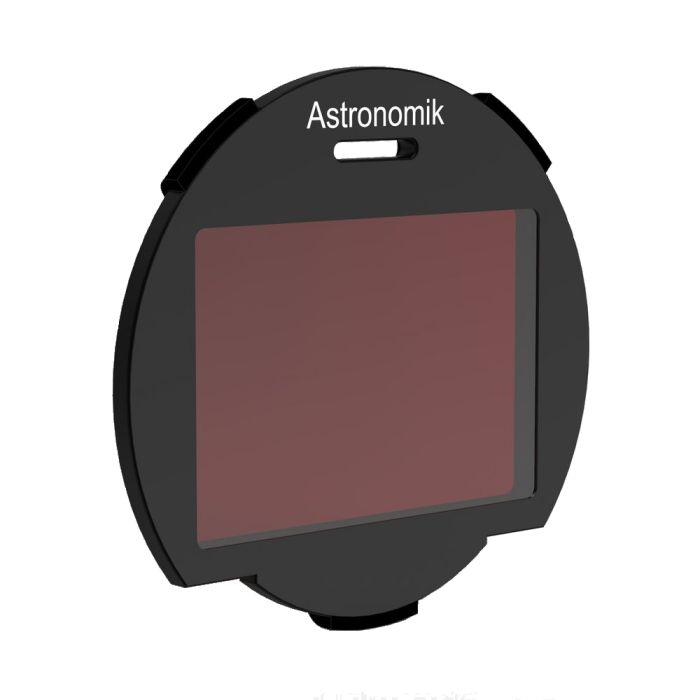
Astronomik SII 6 nm CCD Filter - Canon EOS R XL Full Frame Clip
Compatible with Canon EOS R/RP Full Frame Mirrorless cameras, the Astronomik SII 6 nm CCD Filter is a high-quality narrowband filter for astro-imaging. The 6 nm FWHM bandwidth is reduced, transmission is 90%, and light sources like sodium and mercury are blocked. This parfocal lens, which is diffraction-limited, includes a sturdy plastic filter housing.
Astronomik SII 6 nm CCD Filter - 1.25"
The Astronomik SII 6 nm CCD Filter - 1.25" is designed for astrophotographers seeking to capture sulfur-II emissions with precision. Its narrow 6 nm bandwidth enhances contrast and detail in images, effectively reducing light pollution. This filter fits standard 1.25" eyepieces and can significantly improve deep-sky observations and imaging quality.
Astronomik SII 6 nm CCD EOS XL Full Frame Clip Filter
The Astronomik SII 6 nm CCD EOS XL Full Frame Clip Filter is designed for optimal narrowband imaging, isolating sulfur-II wavelengths for enhanced detail in astrophotography. Its 6 nm bandwidth minimizes light pollution, allowing for sharper images. The clip filter easily fits into Canon EOS full-frame cameras, ensuring a secure connection.
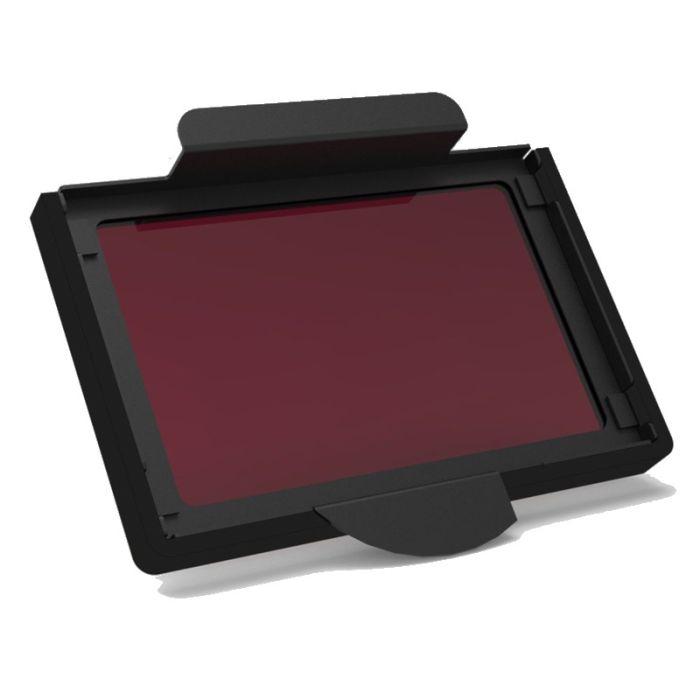
Astronomik SII 12 nm CCD Sony Alpha 7 Clip Filter
The Astronomik SII 12 nm CCD Clip Filter for Sony Alpha 7 cameras enhances narrowband imaging by isolating sulfur-II emission lines from nebulae. Its 12 nm bandwidth provides excellent contrast while minimizing light pollution. The clip-in design ensures a precise fit, making it perfect for astrophotography with Sony Alpha 7 cameras.
More About This Category
The Astronomik SII filters are technically superior, giving color vibrancy to the final composite and enhancing the visual attractiveness of celestial photos. When paired with photos captured using H alpha and OIII filters, the SII data adds a red tint to the palette, producing visually striking images of astronomical objects. In addition to captivating the general audience, this artistic side of narrowband astrophotography is an efficient means of scientific communication, explaining tricky astronomical ideas visually stunningly.
Astronomy's continuous search for accuracy and clarity is shown by the Astronomik SII (Sulfur II) filters. The SII filter is a narrowband that separates sulfur emission lines in astronomical objects. Its wavelength of approximately 672.4 nanometers makes it essential for improving astrophotographers' and astronomers' observing and image skills.
The Ha and OIII filters, two other Astronomik filters frequently employed in narrowband astrophotography, are designed to be parfocal with the Astronomik SII filters. Parfocality ensures photographers can quickly switch between filters without significantly changing their imaging equipment. This makes creating multi-channel photos that give a complete perspective of astronomical objects more straightforward.
The Astronomik SII filters are technically superior, but they also give color vibrancy to the final composite, enhancing the visual attractiveness of celestial photos. The SII data adds a red tint to the palette when paired with photos captured using Hα and OIII filters, producing visually striking images of astronomical objects. In addition to captivating the general audience, this artistic side of narrowband astrophotography is an efficient means of scientific communication, explaining tricky astronomical ideas in a visually captivating way.
Several SII filters are available, but Astronomik's are way better. What makes these filters unique? Here's a comprehensive exploration of the critical features and advantages of Astronomik SII filters for astronomers and astrophotographers.
Benefits of Astronomik SII filters
Precision Craftsmanship - made to the finest astrophotography specifications and allows users to take high-resolution pictures of celestial objects.
Sulfur II Wavelength—This wavelength isolates the Sulfur II emission line at 672 nm, helping astronomers investigate the small details of nebular structures, uncover complex patterns, and enhance image quality.
Narrowband Imaging - transformed astrophotography by allowing astronomers to image celestial objects in places with excessive light. They are excellent at isolating emission lines, which makes them perfect for use in suburban or urban environments.
Durability—Astronomik SII filters are made for celestial viewing. Their sturdy glass substrates and multi-layer coatings ensure maximum light transmission and minimal reflections, producing high-contrast images.
Compatibility - full-color depictions of astronomical objects and composite images can be achieved by combining Astronomik SII filters with other filters, such as OIII and H-alpha, which easily fit into filter wheels
User-Friendly - Easy to use, versatile, and offered in multiple sizes to suit a variety of telescopes and imaging configurations.
These filters improve the quality of cosmic photographs and uncover the entire universe' hidden treasures in largely unobserved detail. The Orion Nebula and the Veil Nebula offer striking contrasts in size and delicate beauty. Astronomik SII filters allow for a deeper understanding and appreciation of these celestial treasures of our night sky.