Orion EON 115mm ED Triplet Refractor Bundle
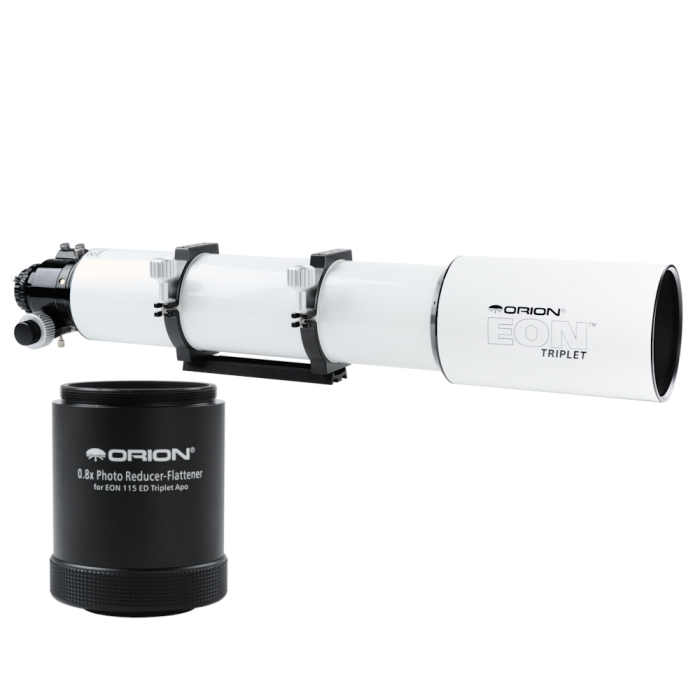

Orion EON 115 mm ED Triplet Refractor Bundle: Includes 0.8x Reducer!
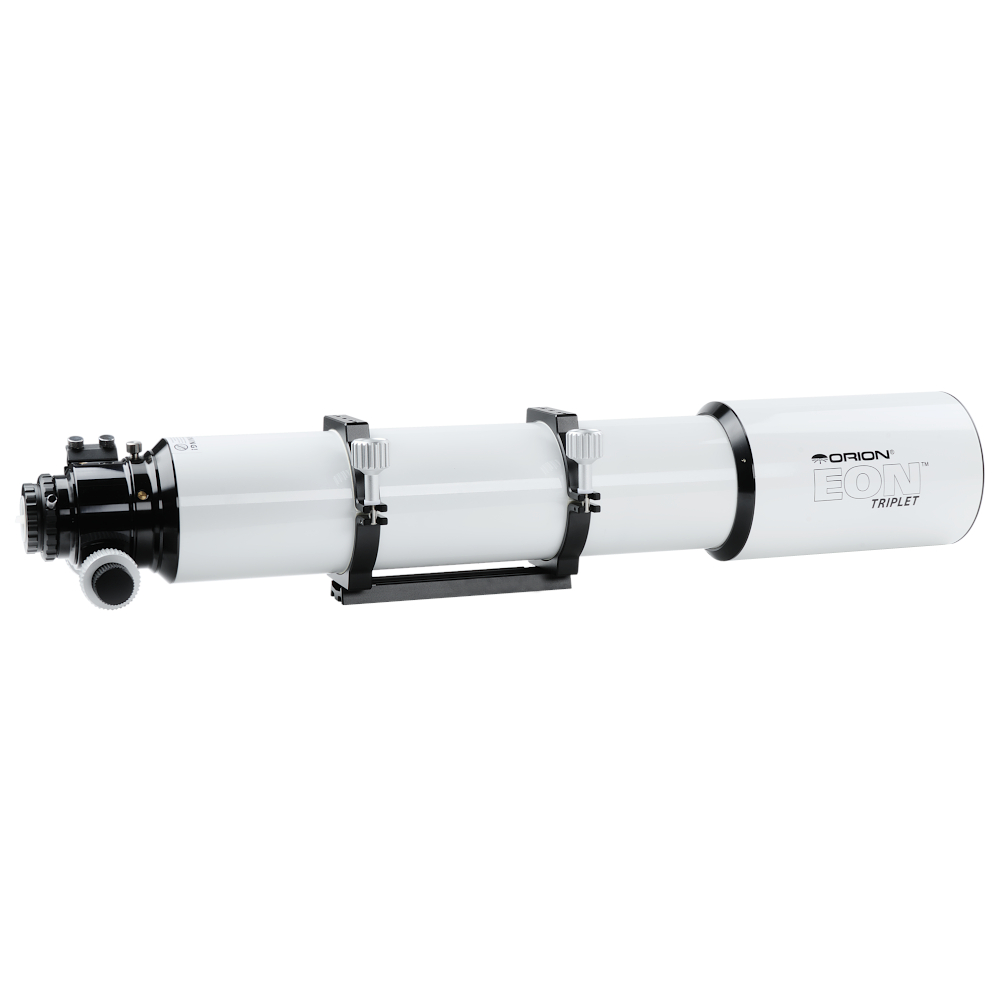
Great for new astrophotographers, this Orion EON 115 mm refractor bundle is a great choice for those looking for a high-quality, budget-friendly triplet that will help them realize their astrophotography goals! The EON 115 mm is built around carefully figured ED triplet optics paired with solid, precision mechanical components. This design approach delivers the optical clarity and stability needed for serious astrophotography, while still providing an excellent experience for visual observing under the night sky.
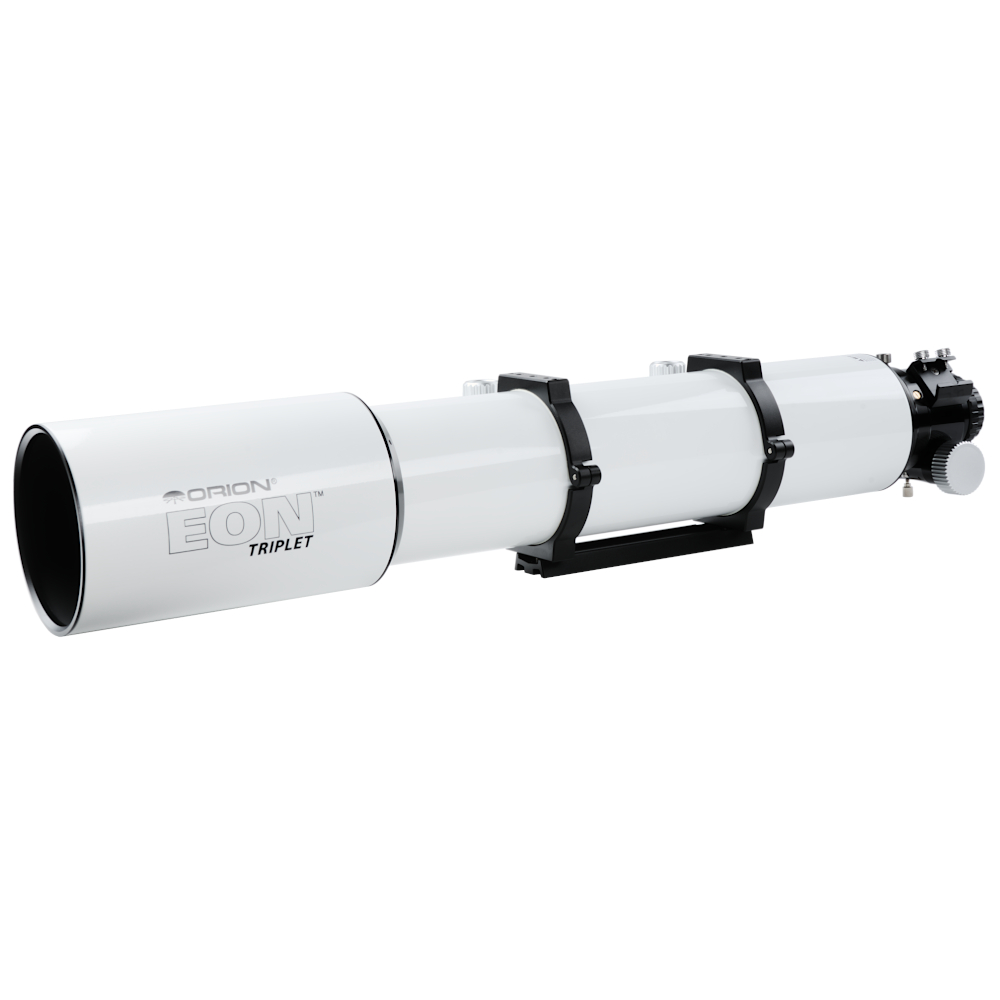
The Orion EON 115 mm Triplet refractor is perfect for those who want to view deep sky objects, star clusters in light polluted areas, double stars, and the Moon! Add a Barlow or a small pixel camera (not included), and you can even capture some planetary sights! Weighing in at 13 lbs., this Orion refractor measures 27" long, 32.5” with the dew shield fully extended. The included Orion 0.8x reducer adds versatility to your Orion EON 115 mm refractor! Not only can you use this refractor for visual observations, but, when using the included reducer, you can now take astro-images with your refractor! Take this Orion EON 115 mm refractor on the road and share spectacular views and images with your friends and family!
Orion EON 115 mm Refractor At a Glance
|
|
|
|
|
Learn More About the Orion EON 115 mm Refractor Bundle!
Not only is the Orion EON 115 mm Refractor reasonably portable and budget-friendly, but it comes with features that ensure you’ll get the most out of your observation and astrophotography experience! Read more about this refractor and included bundle components below.
Affordable Triplet Design!
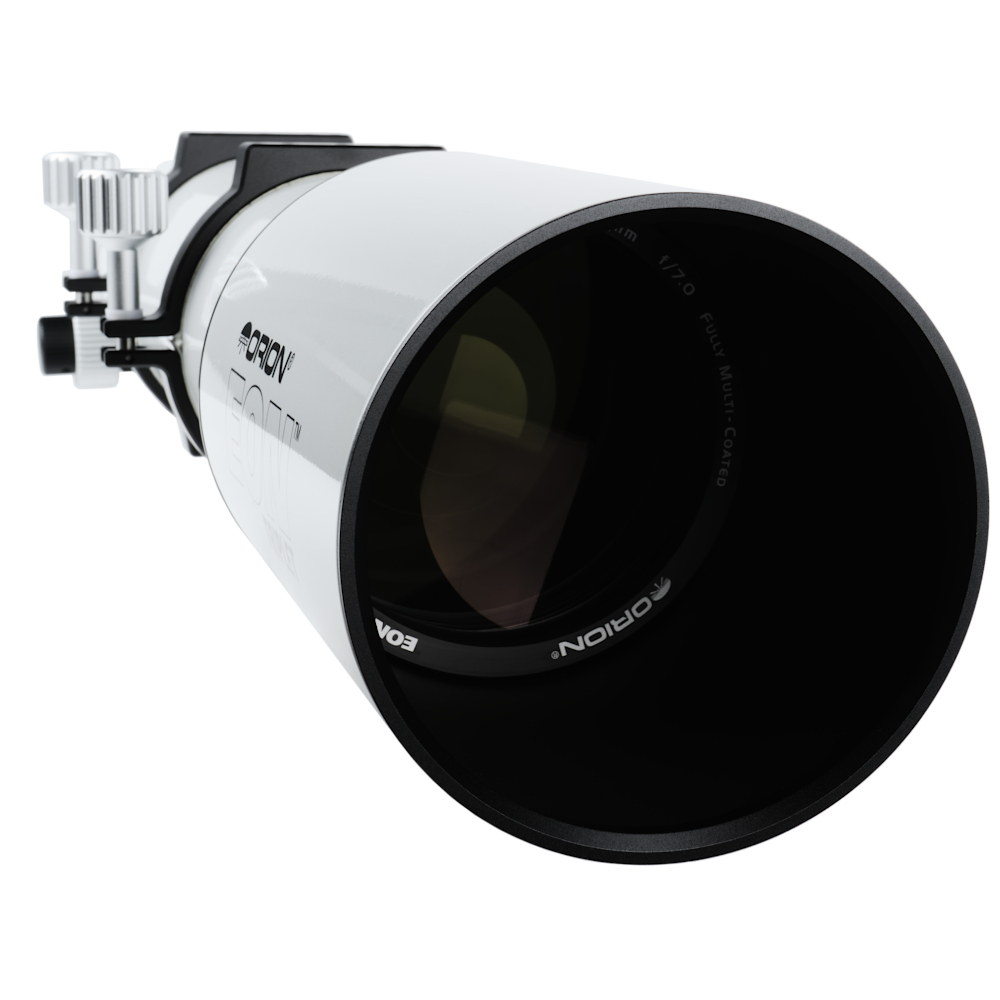
With a focal ratio of f/7, you can expect sharp stars and beautiful contrast on our Moon, star clusters, nebulae, and more. This sharper f/7 focal ratio may offer less chromatic aberration and higher image quality than a comparable f/6 telescope. Utilizing its 115 mm aperture, 805 mm focal length, and air-spaced triplet ED lens design, this small refractor packs a punch when it comes to celestial exploration! With ability to see a plethora of exciting night sky objects, such as detailed views of the Moon, deep sky objects like the Lagoon Nebula, star clusters like the Pleiades, globular clusters like the Hercules Cluster, and planets like Jupiter, you’ll enjoy taking this refractor with you on your astronomy adventures. Please note: These celestial objects are just examples of what can be possible. Views are dependent on your eyepiece, Barlow, and/or camera as well.

2” Dual-Speed Rack & Pinion Focuser
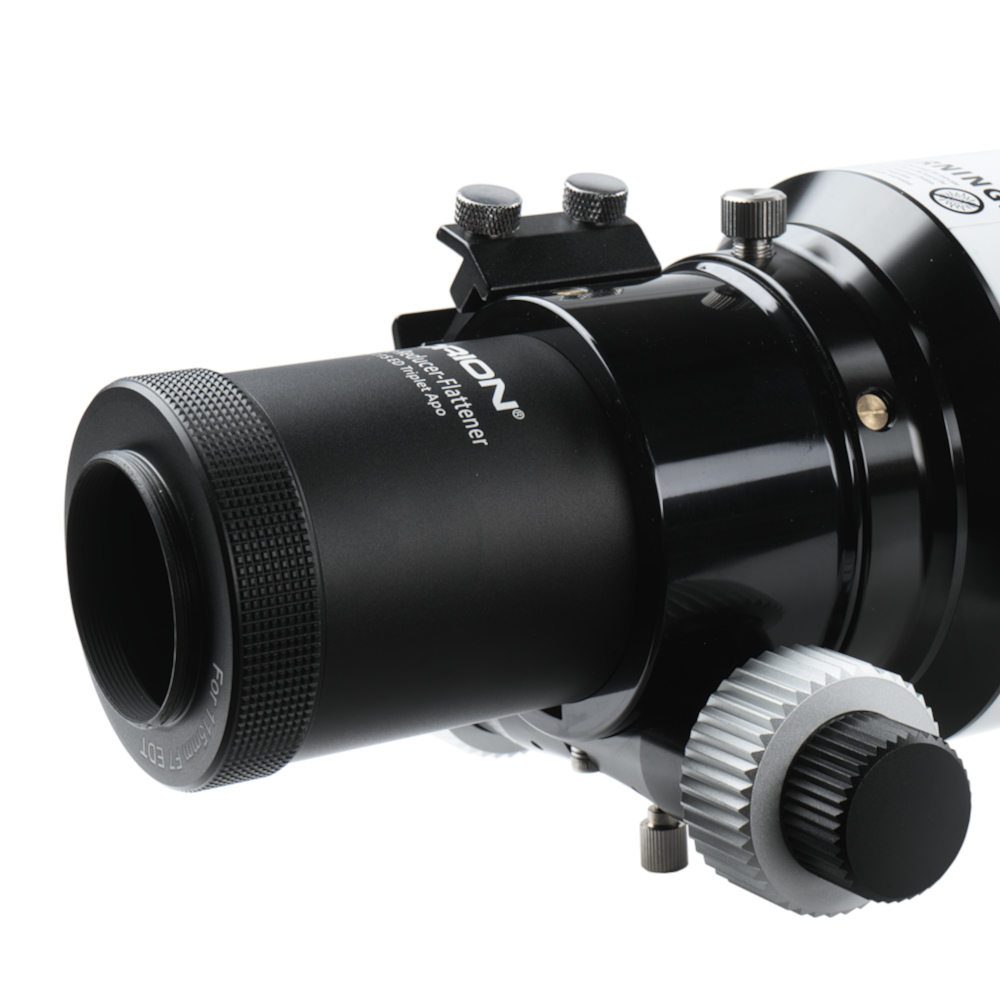
The Orion EON 115 mm refractor comes equipped with a large Rack & Pinion focuser that delivers smooth, precise focusing with excellent mechanical stability. The dual-speed focus controls allow for quick coarse adjustments and fine tuning. The rigid design works well for supporting heavy eyepieces or imaging equipment without unwanted movement. The drawtube utilizes a large diameter drawtube to provide ample illumination across the field, including with full frame camera sensors. A drawtube tension control located on the underside of the focuser is available to adjust resistance to match the weight of your attached accessories. On the drawtube, you’ll find a precisely marked measurement scale along its upper surface to support consistent and repeatable focusing.
About the Included Hard Case
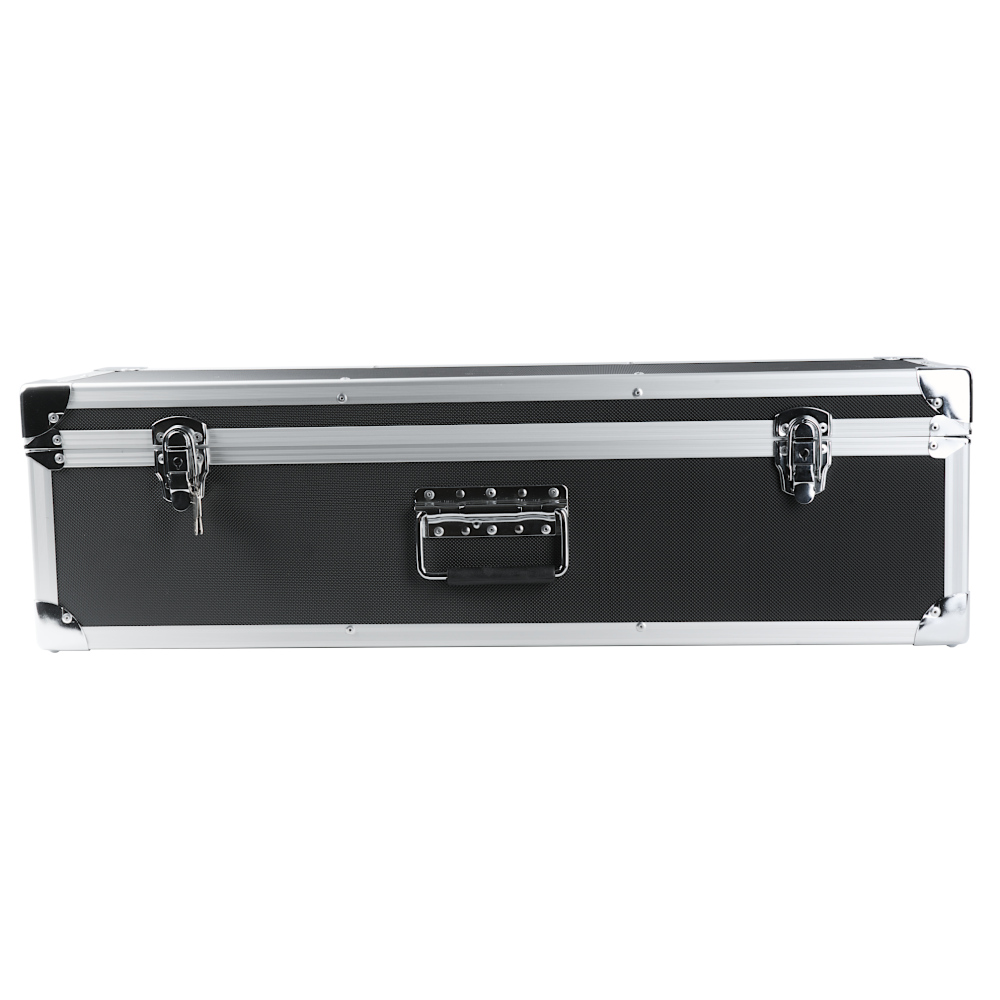
This Orion 115 mm EON refractor comes with a hard case to aid with transport and storage. Already portable because of its size, now you can rest assured that when you're taking your refractor on the go, it will be protected! The case dimensions are as follows: 30.5” x 9.75” x 9.5”.
About the Included Orion 0.8x Reducer/Field Flattener
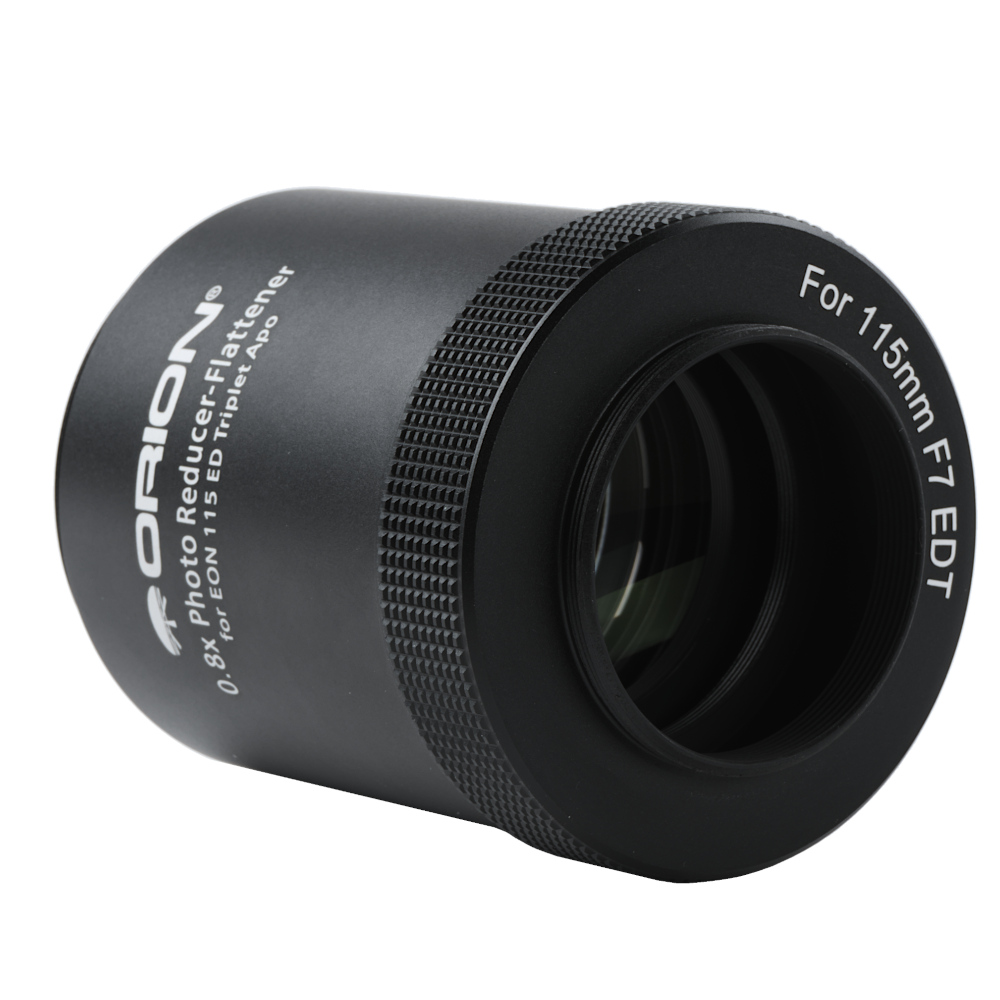
Want to use your refractor for astrophotography? This Orion EON 115 mm ED Triplet Refractor bundle comes with a Orion 0.8x reducer. The focal reducer is designed to utilize a standard 55 mm back focus. That’s generally a DSLR camera and M48 T-ring or a cooled astronomy camera using the factory included spacers. When adding this reducer to the Orion EON 115 mm ED refractor, the focal ratio will be f/5.6 and the focal length will be 644 mm. To attach the reducer use a 2 mm hex key to loosen the three small set screws that surround the mounting flange of the 2” accessory holder. Then, unthread the entire 2” eyepiece clamp assembly from the focuser’s draw tube. Next, thread the focal reducer into the telescope’s draw tube.
Frequently Asked Questions
What is a refractor?
A refractor is a type of telescope that uses a lens to bend (or refract) light to a point. The point where the light path intersects is called the “focal point”, and is where your eyepiece, camera, or diagonal would go. The length from the lens to the focal point is known as the “focal length” of the telescope.
How do refractor telescopes work?
Refractors work uses lenses (most commonly, two lenses) to bend light into a sign focal point. Light enters the telescope, passes through the objective lens, and then refracts to the single point. This point of light will extend until it hits an eyepiece.
What is the difference between a reflector and a refractor telescope?
While refractors use lenses to bend light into a point, a reflector telescope uses mirrors to reflect the light back into a secondary mirror, which then bounces back into the eyepiece.
Do refractor telescopes need collimation?
Collimation is required for all telescopes, so they can deliver high-quality views. However, with refractors, collimation is generally done in the factory when the lenses are installed. Because the lenses are fixed inside the tube, the need for collimation changes and routine cleaning is minimal. However, there are situations where the lenses can fall out of alignment, such as rough handling. In general, though, refractors rarely require user collimation.
Does a refractor telescope invert the image?
In general, looking straight through a refractor telescope will show an upside down and inverted view. However, you can use a mirror diagonal that will flip the image so it is correctly oriented, up and down, in the eyepiece. It will still appear backwards, however, that is normal. Since there is no "up and down" in space, it's all a matter of perspective, and even viewing the same object from different parts of the world will change the "perspective" of a celestial object.
How do you clean a refractor telescope lens?
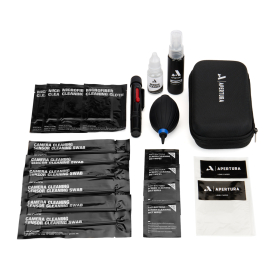
A little dust is normal and usually won’t affect performance. When cleaning is needed, always start with the gentlest tool to protect the delicate coatings. Proper care ensures your optics stay pristine and scratch-free for years to come. We recommend using the Apertura Optics and Sensor Cleaning Kit. This 20-piece set has helpful tools, including a bulb blower, a lens pen, and lens cleaning solution, that are designed to be gentle on your optics.
Is it safe to look at the Sun with a telescope?
No, it is not safe to look at the Sun through your telescope UNLESS you are using a dedicated solar telescope with built-in filtering or you have a quality solar filter properly installed over the front aperture a regular telescope! Protect your eyes at ALL times.
What does seeing conditions mean?
When amateur astronomers are talking about seeing conditions in astronomy, they are discussing (or complaining about!) current atmospheric conditions. I say "current" because the sky's atmosphere is always changing and will be different not only from night to night, but sometimes from hour to hour! Things like dust, pollen, air currents, temperature, dew point and weather conditions all affect what you see through your telescope. Objects that were in sharp focus at a particular magnification on Saturday night may not come to focus with the same eyepiece on Sunday. This is one reason why amateur astronomers have several eyepieces (3-5 is most common). They not only allow you to increase magnification on nights of good seeing, but decrease magnification when the air is less steady.
What is the best telescope mount?
To determine the best telescope mount for you, it is important to think about what you plan to do with the telescope. In general, the "best" telescope mount is a solidly built equatorial mount and tripod that has a large enough weight capacity to easily carry the telescope and any other accessories you plan to use. However, if you want to use your telescope as a spotting scope during the daytime and look at the Moon and planets at night, we would recommend a solid alt-azimuth mount instead. Alt-azimuth mounts, with their simple up, down, right and left movements work best for daytime use or nighttime use when looking at objects that are easy to find in the sky. However, it would not be considered the "best" mount if you plan to do astrophotography. A solid equatorial mount is required for long exposures of galaxies, nebulae and other deep sky objects. While you can buy a manual equatorial mount and add dual-axis motors and a hand controller for astrophotography, these days most people prefer the computerized equatorial mount. Smart electronics help you with alignment and are very accurate when tracking, which makes it way easier to get good results, especially when doing longer exposures.
What is a focal reducer?
A focal reducer is an optical accessory placed between a camera/eyepiece and the lens of a telescope. It works to reducer the focal length of the telescope, ultimately providing a wider field of view.
How does a focal reducer work?
A focal reducer is typically made up of a two-element or more optical design, one concave lens and one convex lens. This design forces the light cone to steeply converge, effectively shortening the focal length of the telescope to which it's attached.
What is a reduction factor?
A reduction factor is the term used to describe how much a focal reducer shortens the focal length of a telescope. For example, if the reducer the focal length by 0.75x, then that is the reduction factor.
Can I use a field flattener with a focal reducer?
Many focal reducers can also operate as field flatteners. However, they are not the same, and it is not always true that a focal reducer will also function as field flattener. Make sure to check the focal reducer product description and manual to see if it can serve this dual purpose. It is not advised to use both individual accessories in conjunction with each other.
Does a focal reducer affect focal length?
Yes, a focal reducer affects the focal length of the telescope to which it is attached. This accessory is designed to shorten the overall focal length of the telescope to provide a wider field of view.
How do I figure out the new focal length with a reducer?
You can calculate the new focal length of the telescope using the following formula: Original Focal Length * Reduction Factor = New Focal Length. You can also find the new focal ratio with a similar equation: Original Focal * Reduction Factor = New Focal Ratio. For example, if you have a 80 mm aperture telescope with an f/7.5 focal ratio and a 600 mm focal length and a 0.8x focal reducer, you would do the following calculations: 600*0.8=480 and 7.5*0.8=6. So, your new focal length is 480 mm and the new focal ratio is f/6.
How does a focal reducer impact back focus?
Focal reducers are generally designed to provide their best image a set distance away from the optic. This is the key backfocus consideration to check when pairing a focal reducer with your telescope, which typically will be 55 mm.
Astronomy Hub: Your one-stop-shop for Astronomy Knowledge!
Our Gear Experts have compiled a wealth of information to help expand your astronomy knowledge! Below you’ll find links to articles, videos and "how-to" guides. Just one more reason that our Astronomy Hub is a one-stop-shop for all your astronomy and astrophotography needs!
| Top Astrophotography Accessories |
| Beginner's Guide to Refractor Telescopes |
| Astrophotography Mount Buying Guide |