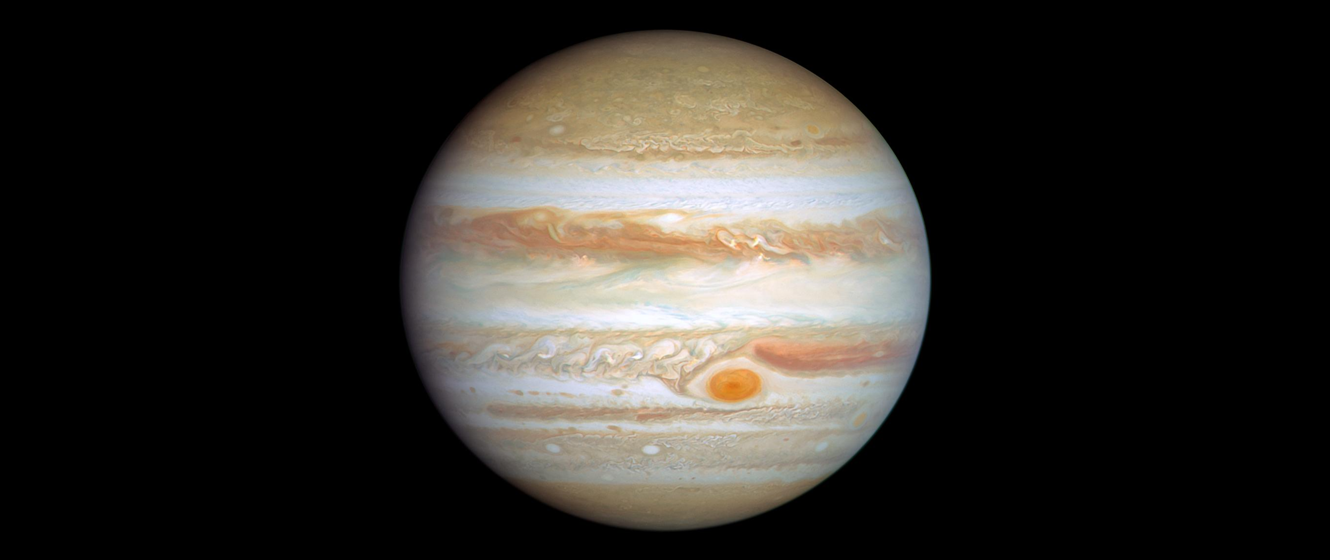
In this episode of What's in the Sky this Month, Teagan reviews some of the beautiful celestial objects you can see in the month of January 2026!
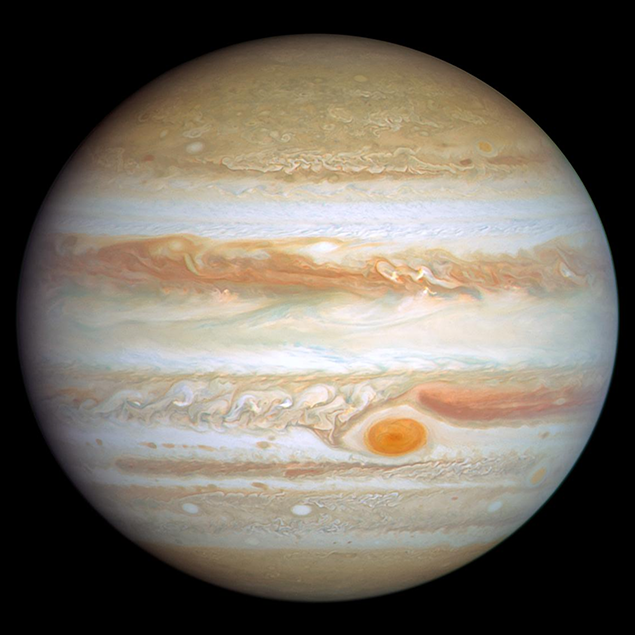
Image credit: NASA/STSCI (S.T.A.R.S)
Jupiter at Opposition
Opposition is when a planet beyond the Earth - such as Mars, Jupiter, Saturn, Uranus, or Neptune - appears opposite the Sun in the sky. It’s also when the distance between our two worlds is the smallest, making the planet appear larger and brighter than at any other time. Jupiter at opposition is an unmistakable sight - it’s the brightest “star” in the night sky and, this year, it’s close to the twin stars of Castor and Pollux in Gemini.
Being opposite the Sun in the sky, it’ll rise at sunset and set at sunrise, giving you the entire night to observe the planet. Binoculars will show its four largest moons as tiny points of light on either side of the planet, while even a small telescope will show dark bands in its atmosphere. Scopes with an aperture of 150mm or greater can also detect the planet’s famous Great Red Spot, an Earth-sized hurricane that has raged through the atmosphere for at least 400 years!
OUR NEAREST NEIGHBORS
It’s a quiet start to the year, with two of the brighter planets - Venus and Mars - both too close to the Sun to be visible. However, Saturn can be seen over the southwestern horizon in the evening, and if you wait until night falls (roughly 90 minutes after sunset), you can use binoculars or a telescope to spot faint Neptune nearby. They’re drawing closer together and will both fit within the same 10x50 binocular field of view. Be sure to take a look, as Neptune may be too close to the Sun to be seen by the end of the month - and they won’t be this close again for nearly 70 years! Look out for a waxing crescent Moon close to Saturn on the 22nd and 23rd. Similarly, Uranus remains within the same 10x50 binocular field of view as the Pleiades throughout January, and Jupiter reaches opposition on the 10th. Keen-sighted early risers can catch Mercury very low over the southeastern horizon at around 15 minutes before sunrise, but only for the first few days of the month. Lastly, there’s a full Wolf Moon in Gemini on the 3rd, and then a new Moon on the 18th.
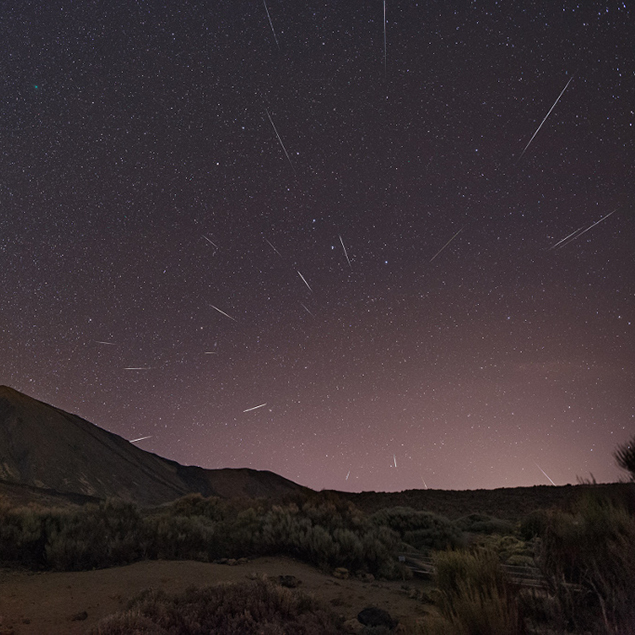
Image credit: Daniel López (El Cielo de Canarias)
The Quadrantid Meteor Shower
The Quadrantids is a shower with a very short maximum that only lasts a few hours, and this year, it’s predicted to peak at 7:34 PM ET on January 3rd, long before the radiant rises above the horizon for North American observers. There’s also a full Moon, which will significantly brighten the sky and drown out the fainter shooting stars.
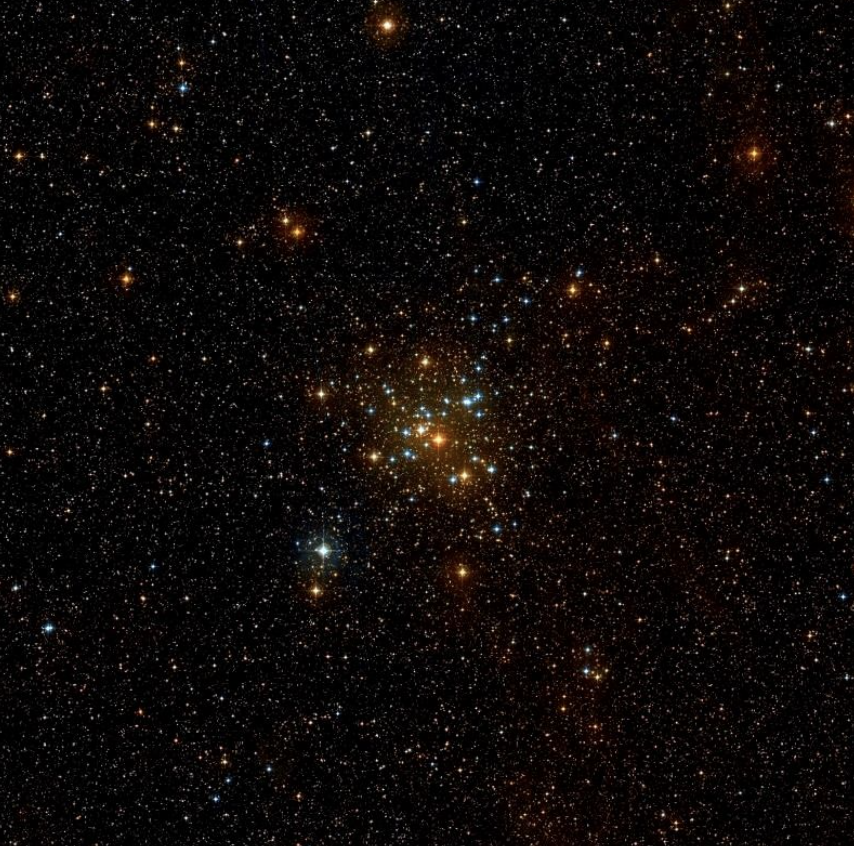
Image credit: Universe Today - Wikisky
Messier 41 - Aristotle’s Cluster
Messier 41 lies just slightly south of Sirius and is visible to the naked eye under dark skies. Binoculars will show a tiny hazy patch, while a telescope at low power reveals a multitude of blue-white stars of almost equal brightness. Look for a brighter pair, one of which is orange. The cluster also images well with a smart telescope.
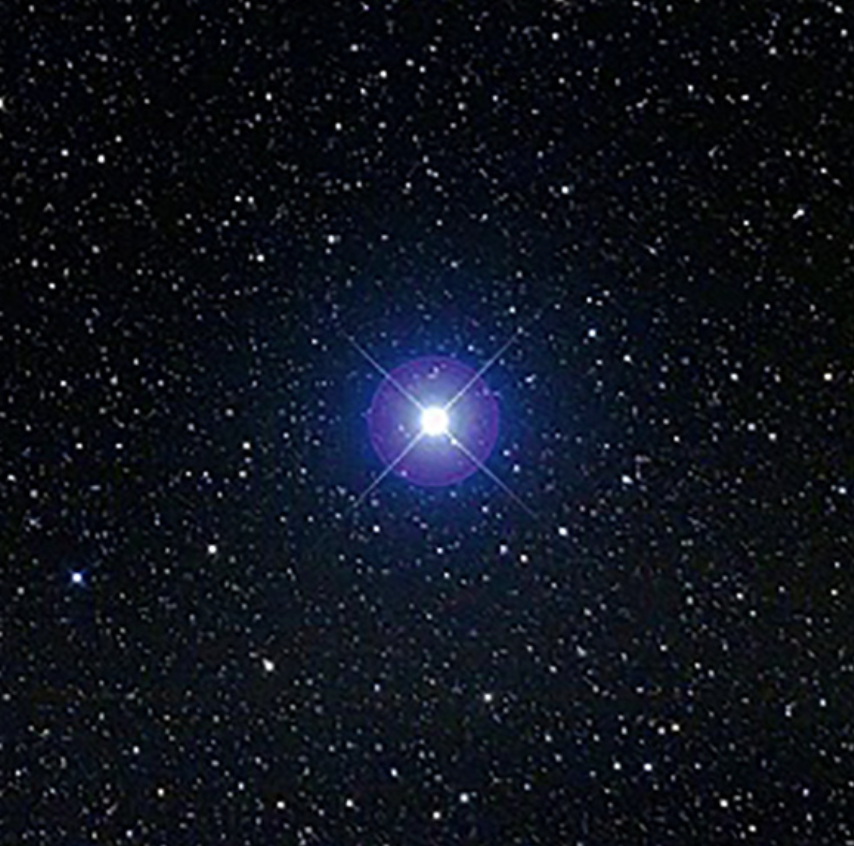
Image credit: Fred Espenak
Castor
Castor is one of the twin stars in Gemini, with the other (slightly brighter) star being Pollux. This star is composed of three pairs of stars, and one pair is easily seen with a telescope. Use an eyepiece that produces a magnification close to 100x to see a brilliant pair of white stars of almost equal brightness.
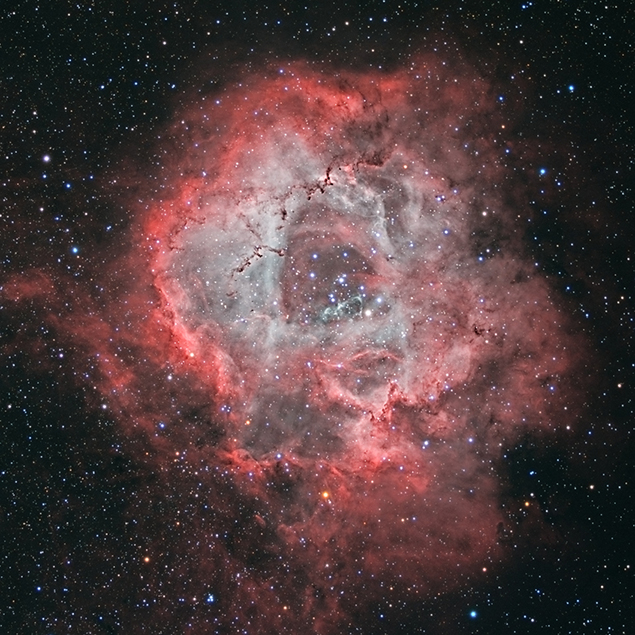
Image credit: Jean Dean
NGC 2237 - The Rosette Nebula
If you want to see the Rosette with a telescope, you’ll most likely need dark skies, a scope with a minimum aperture of 150mm, and a UHC or H-alpha filter. However, this is an excellent target for a smart telescope, regardless of your location - just be prepared for a long exposure time and then potentially processing the image to bring out the best.
LOOKING BACK
In January 1803, the German-British astronomer William Herschel turned his telescope toward Castor, long regarded as a single star in Gemini, and discovered it was actually a binary system. Before Herschel’s observations, most astronomers assumed that double stars were merely optical pairs, with no physical connection, but his careful measurements revealed that some were truly gravitationally bound. This discovery challenged existing views and marked one of the first confirmations of stellar companionship. Herschel’s work not only reshaped our understanding of Castor itself, but also demonstrated that stars could form true binary systems, literally changing our view of multiple stars forever.