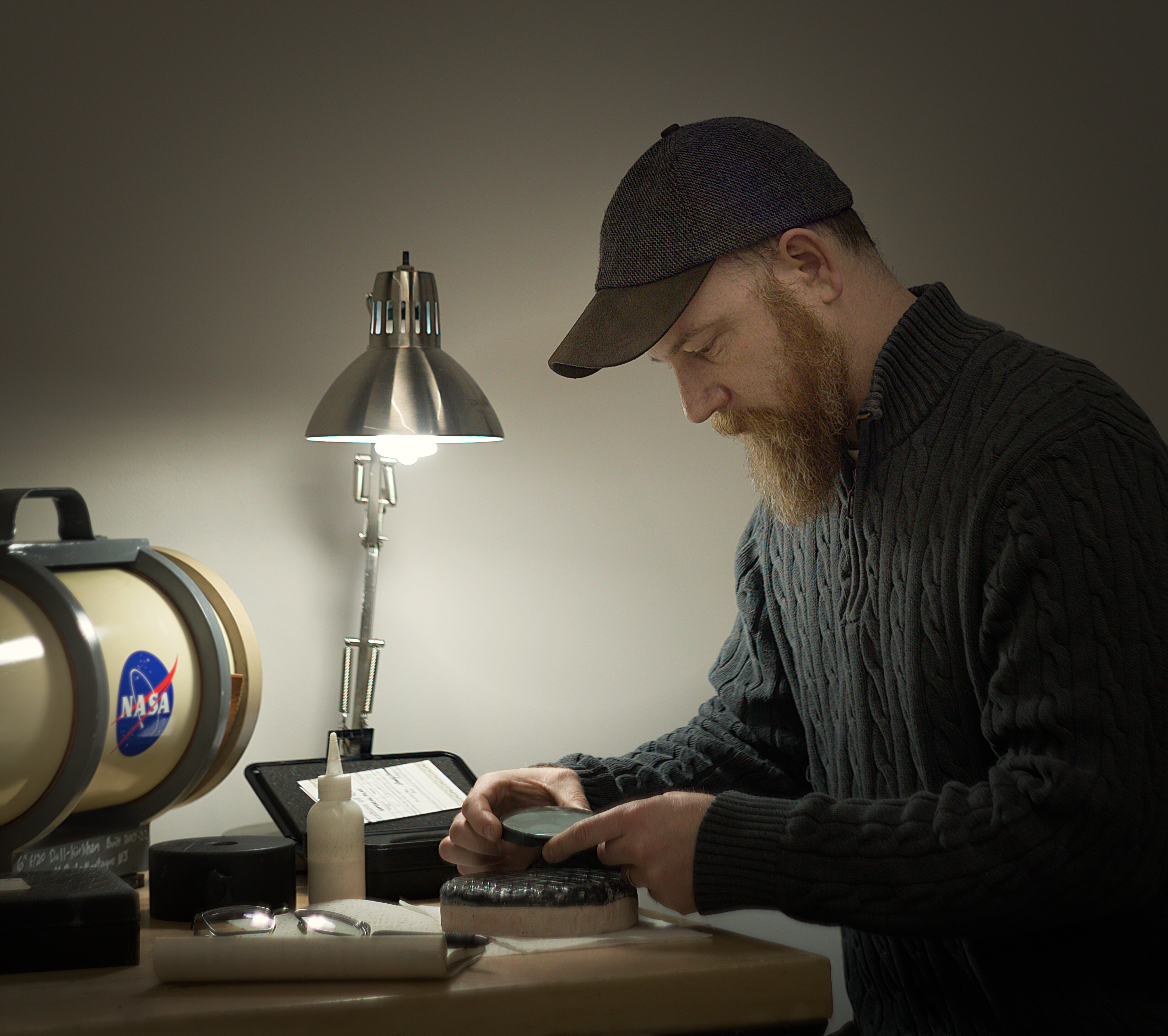
secondary mirror on a pitch lap in his optics studio
I used to believe good quality eyepieces always came at the expense of affordability, but having the opportunity to test and use the Apertura Panorama eyepieces, I’ve found there is an option where both quality and affordability go hand in hand. When Apertura began developing the Panorama eyepieces, I aided in the testing process, and, for the first time, encountered an affordable wide field design that truly honored the fundamentals of good optics while remaining accessible to a variety of observers.
Hi! I’m Matthew Paul, and I’m an award winning amateur telescope maker, having designed and built my own optics and telescopes by hand, from simple Newtonian layouts to more advanced compound systems, including a 6” f/20 Dall Kirkham and a 5” f/3.3 corrected hyperbolic Newtonian.
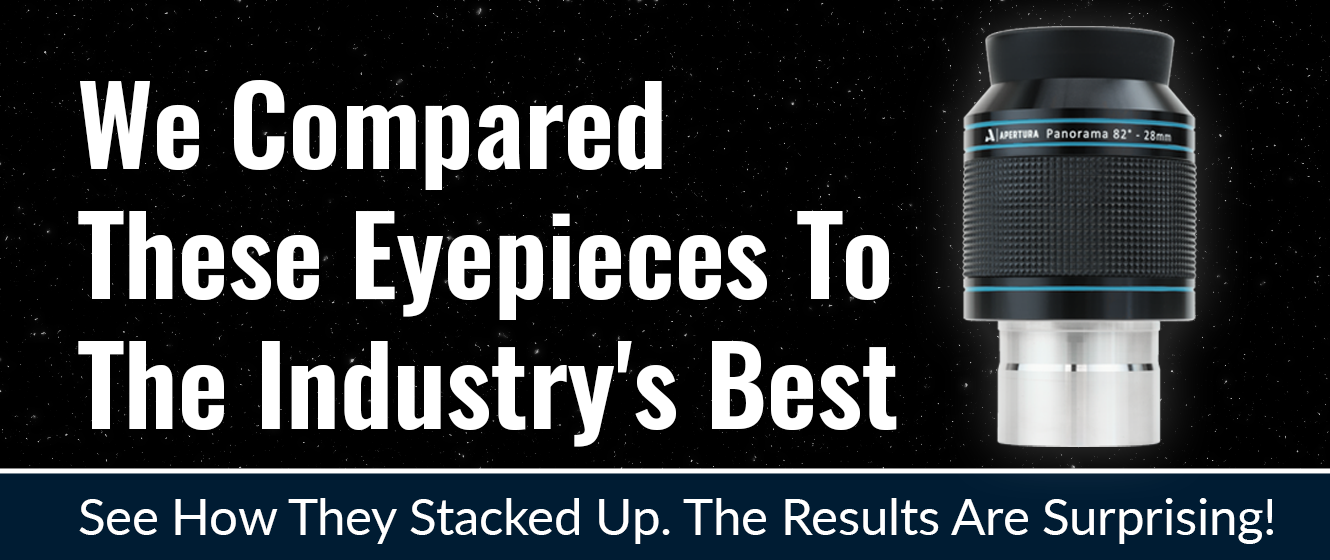
The Apertura Panorama is a sharp, well-corrected eyepiece that delivers pinpoint stars from the center all the way to the edge of its wide 82° field of view. I feel this affordable wide field eyepiece fully meets the core optical fundamentals of clarity, sharpness, and aberration control, without requiring a premium tier price. The lineup includes seven focal lengths, ranging from 28 mm to 4 mm, that make it suitable for a wide variety of observing needs. While you can certainly take my word for it, check out how the Panorama eyepieces performed in a blind test I conducted with five amateur astronomers having decades of experience.
Conducting a Blind Test
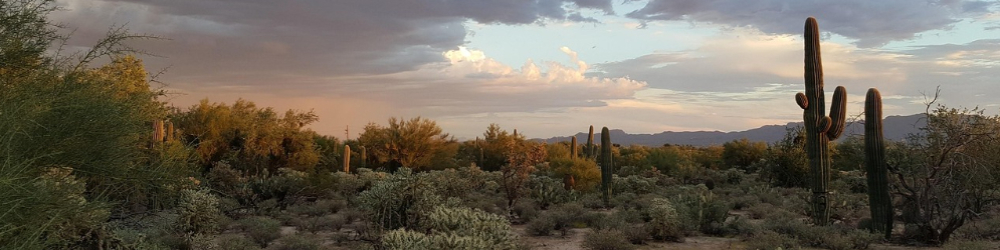
I joined a group of five observers in the Arizona desert, under Bortle 3 skies, and conducted a blind comparison test of the 82° eyepieces. Three telescopes were used to cover a range of optical designs: a Celestron 8” SCT, an Apertura 90 APO f/6 triplet refractor, and an Apertura AD8 Dobsonian. The Panorama eyepieces were compared directly against Tele Vue Nagler, Explore Scientific 82°, and Masuyama 85° eyepieces.
There was unanimous agreement among the testers that the Panorama samples could not be distinguished from the Tele Vue or Explore Scientific eyepieces from a performance or usability perspective. In several instances, observers actually preferred the Panorama sample over a Nagler or Explore Scientific eyepiece. One participant, jokingly commented the only thing he disliked about the eyepieces was he could not find anything to dislike.
Overall, the correction and sharpness of the Apertura Panorama eyepieces were assessed to be approximately 99% of the performance of the Tele Vue Naglers. The Tele Vue eyepieces generally showed slightly better correction of telescope field errors at the extreme edges of the field. In practical use, the Naglers tended to offer slightly more relaxed eye relief.
The Apertura eyepieces were found to be indistinguishable from or slightly better than the Explore Scientific eyepieces, depending on focal length. While the Masuyama were praised for the correction at the center of the field, all users reported that the outer 10-20% of the field lacked severely when compared to the Apertura Panorama. These eyepieces were the least preferred eyepiece among the group.
My Personal Take
I spent many nights observing with these eyepieces in the Apertura 102 f/11 FCD100 refractor and Takahashi TOA130, side-by-side on my heavy, observatory mount. Below, you will find some of the notes from the observations and testing, organized by size of the eyepiece. An important note: The Tele Vue eyepieces are a variety of different models from my personal collection and used in my personal observatory. The eyepieces were tested extensively and divided into two object categories: Vega and deep sky. Below are some highlights from my findings.
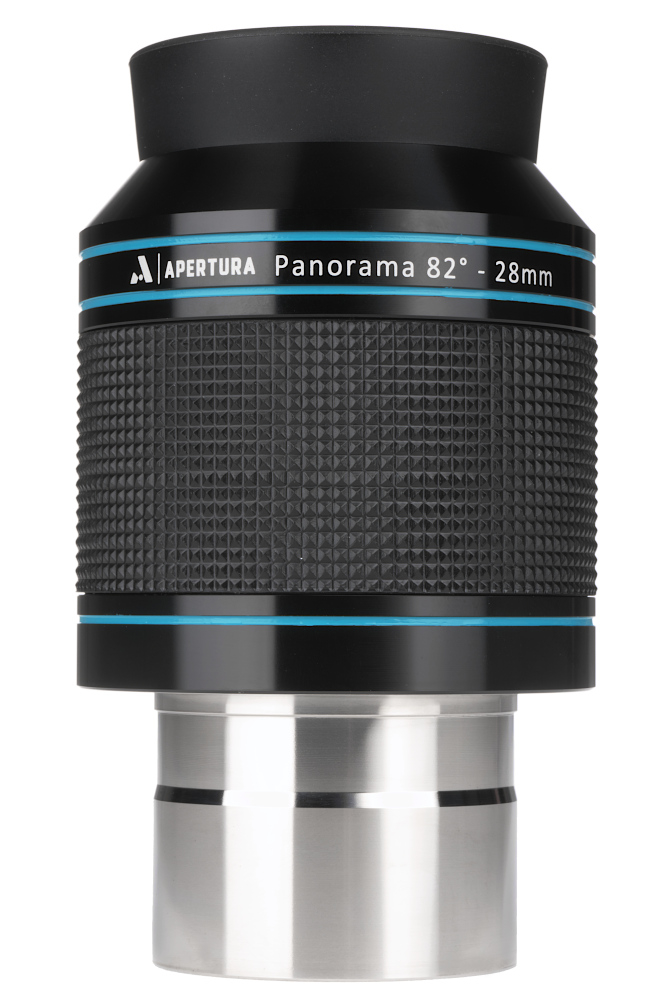
28mm Panorama Eyepiece
| Object Tested | Tested Against | Telescope Used |
|---|---|---|
| Vega | Tele Vue 31 Nagler (Type 5) | Apertura 102mm FCD-100 Doublet APO Classical Refractor |
"Indistinguishable between the two eyepieces, except the Nagler shows Vega slightly smaller/tighter. However, this is a 31 mm against a 28 mm eyepiece, so the 31 mm will have a slightly lower magnification, which plays into this result. Otherwise, the view is identical in both."
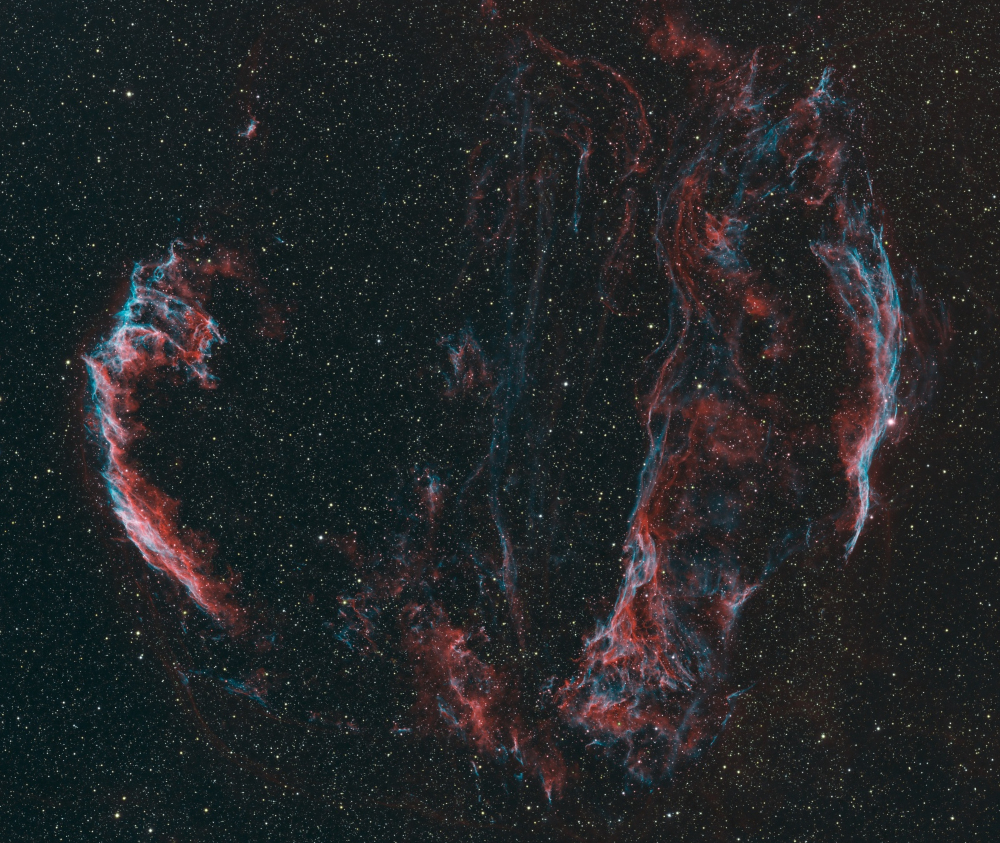
Suggested Use Case: Nebulae
This is useful as a “finder” eyepiece, as well as a great option for use with filters on longer focal ratio telescopes. With an SCT, this eyepiece offers a 2.8 mm exit pupil, which is fantastic for use with a UHC filter for viewing emissions nebulae. It’s also a great option for viewing portions of larger targets like the Cassiopeia double cluster or the Orion Nebula.
With an 8” Dobsonian or refractor, this eyepiece would be great paired with an OII, Apertura UHC, or other filter, in addition to being used as a locator eyepiece. In an 8” Dob, the entire Eastern Veil Nebula can be observed in a single view, again needing an OIII filter to observe this object, though in some conditions a UHC can work too.
With around a 4-5 mm exit pupil, this is a fantastic option for a small refractor like the Apertura 72EDR. With this combination and an OIII filter, it is possible to view the entirety of both the Eastern and Western Veil Nebulas in a single view. Even the whole North American Nebula can be viewed in dark enough sky conditions. I had the opportunity to use this eyepiece in a 6” f/4 Maksutov Newtonian and view the entirety of the North American Nebula. This was a fantastic experience. I especially enjoyed using this eyepiece in my 8” Celestron SCT as well. To be honest, there was not a telescope with which I did not enjoy the view this eyepiece provided.
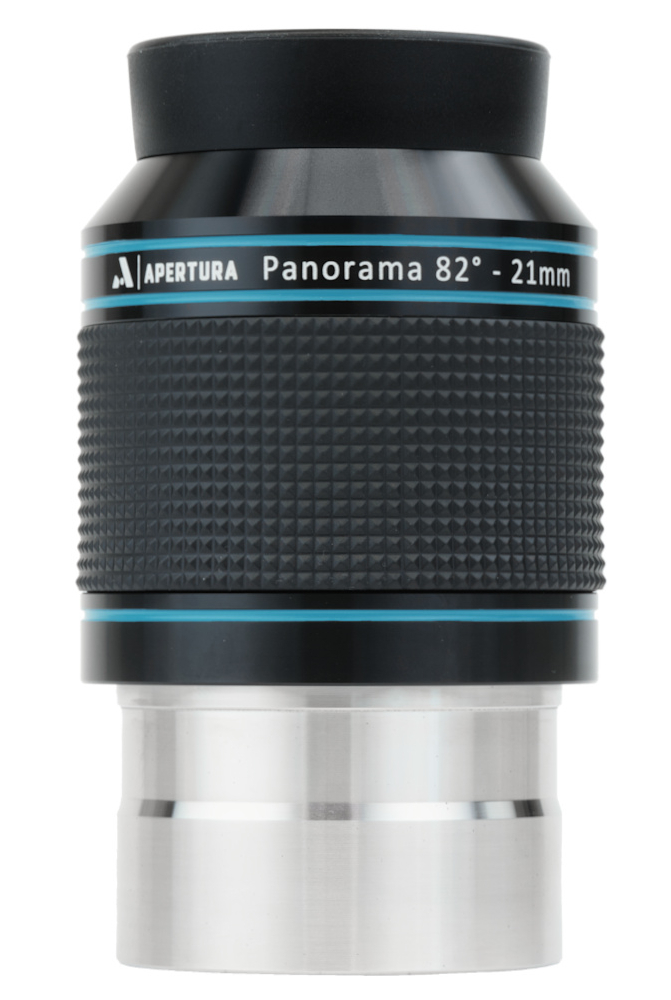
21mm Panorama Eyepiece
| Object Tested | Tested Against | Telescope Used |
|---|---|---|
| M11 - Wild Duck Cluster | Tele Vue 22 Nagler (Type 4) | Takahashi TOA130 |
"The views are identical. The Tele Vue 22 mm Nagler seemed a little easier to focus on the very very small stars of M11 when compared to the 21 mm Panorama. The Apertura Panorama took a slightly more conscious effort. That being said, both are excellent with ample eye relief."
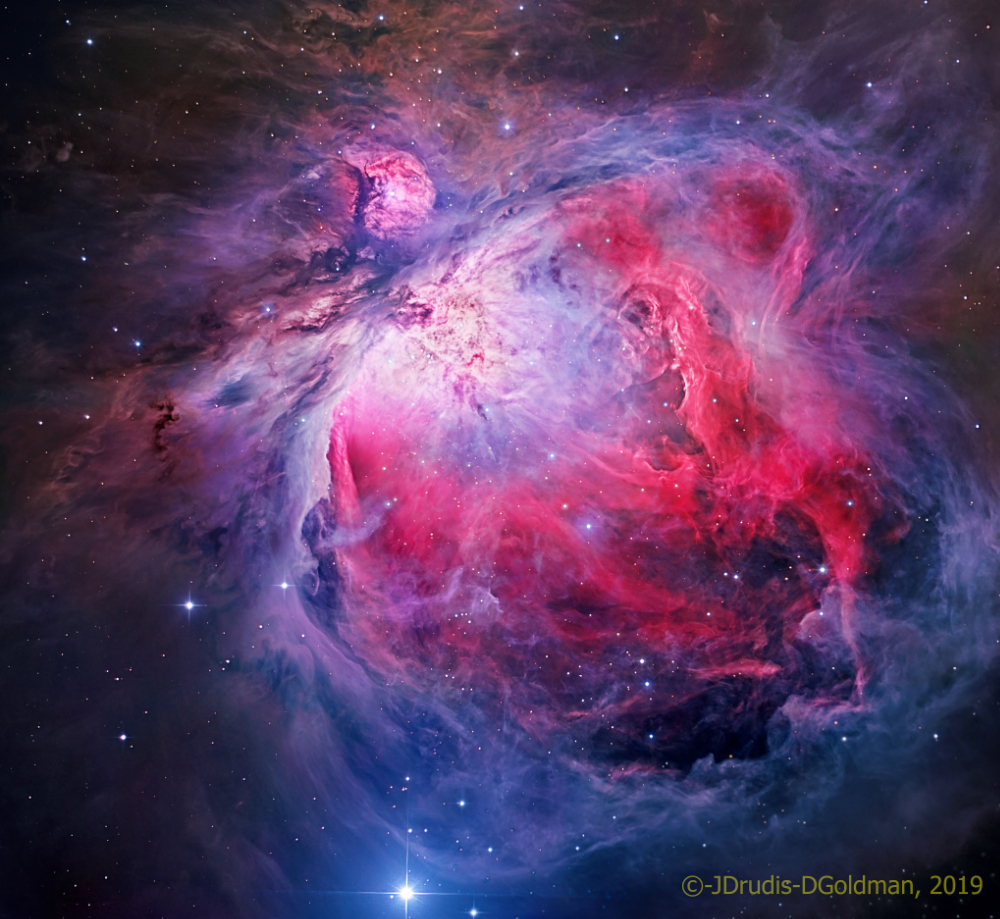
NASA APOD
Suggested Use Case: Deep Sky
This eyepiece is fantastic all around and would probably be my favorite eyepiece with an f/10 telescope due to the 2 mm exit pupil. This would be used on most deep sky objects that don't require high magnification. It would work well with a UHC filter or even Moon and Skyglow filter. In an f/5 or f.6 scope, like a Dobsonian or refractor, this would be a good deep sky, widefield eyepiece. At a 3.5 mm exit pupil, this would be good for an aggressive OIII filter like the Tele Vue or an Apertura UHC. It could be great for M45 as well!
I used this eyepiece in my 5” f/3.3 Hyperbolic Corrected Newtonian to view both the Eastern and Western Veil at the same time, utilizing a Tele Vue OIII filter. It was also great in the 6” Dobsonian and the 8” SCT. Again, it was a fantastic experience all around.
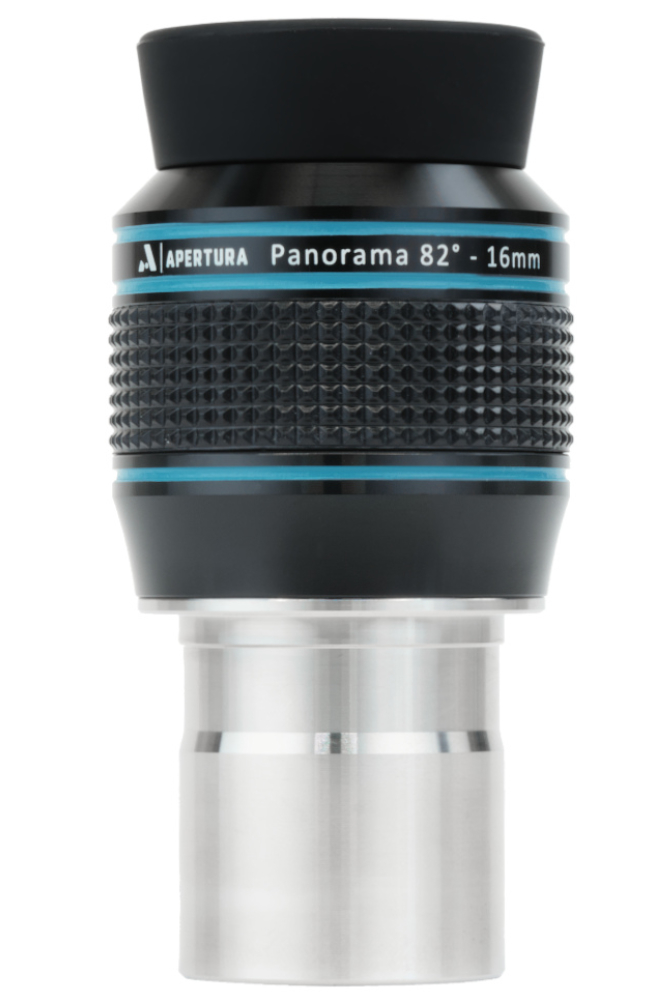
16mm Panorama Eyepiece
| Object Tested | Tested Against | Telescope Used |
|---|---|---|
| Vega | Tele Vue 16 Nagler (Type 5) | Apertura 102mm FCD-100 Doublet APO Classical Refractor |
"Nagler has better contrast at the last 10% field of view and better fine contrast overall. The Panorama is no slouch though; the 16 mm Nagler is one of the best eyepieces I’ve ever used. However, the 16 mm Nagler is three times the cost of the Panorama for what amounts to about a 10% increase in performance. "
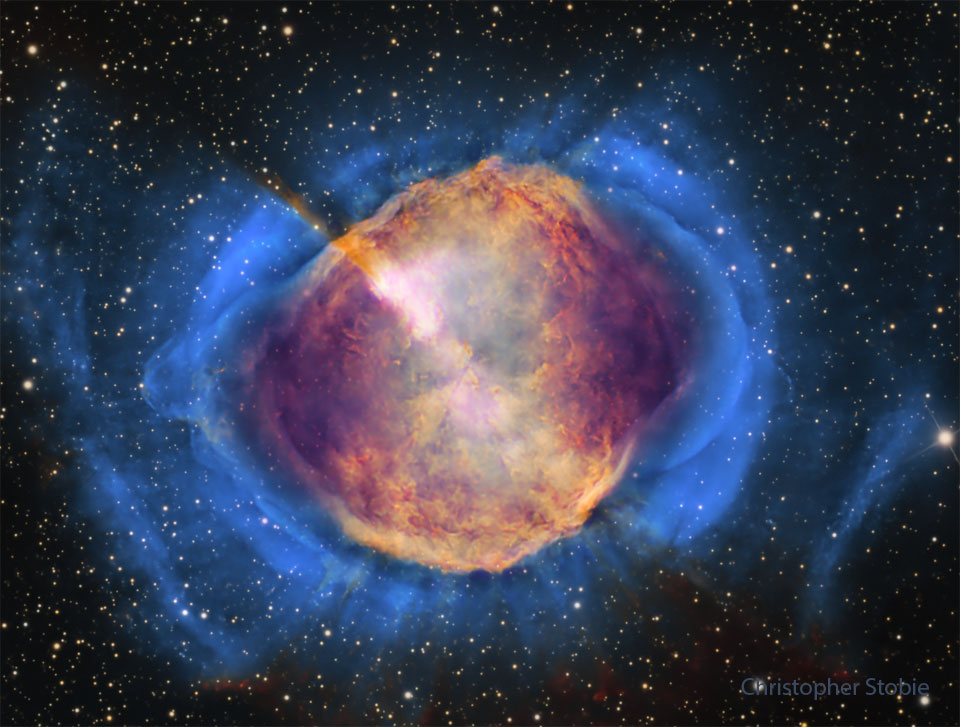
NASA APOD
Suggested Use Case: Nebulae and Clusters
With an SCT, this eyepiece offers a 1.6 mm exit pupil and would be a good eyepiece for smaller objects like planetary nebulae, such as the Ring or Dumbbell, or some smaller open clusters like you find in the Cygnus constellation. In a Dobsonian or refractor, this would provide a 2.5 to 3 mm exit pupil and be a wonderful “all around” eyepiece, allowing you to view most objects from emissions nebulae to globular clusters, open clusters, and more.
I really enjoy this eyepiece in my 6” f/8 Newtonian. The field of view in a Dobsonian is really useful, and in this specific telescope, is a 2 mm exit pupil. That’s great for almost any object!
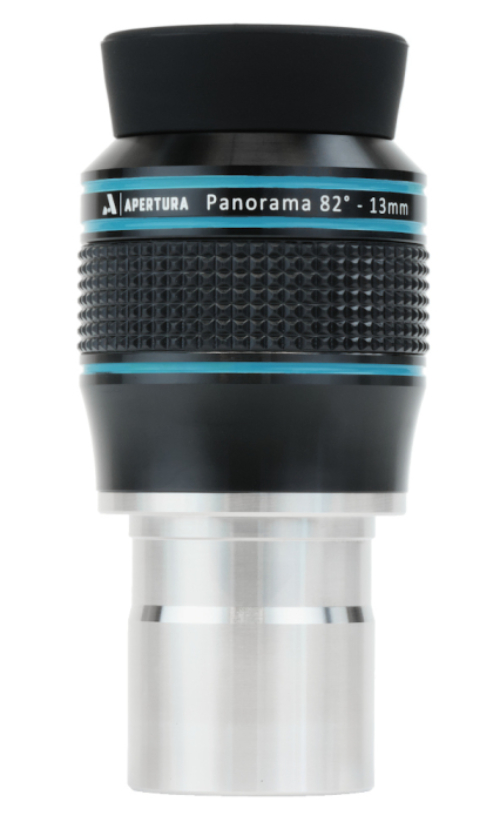
13mm Panorama Eyepiece
| Object Tested | Tested Against | Telescope Used |
|---|---|---|
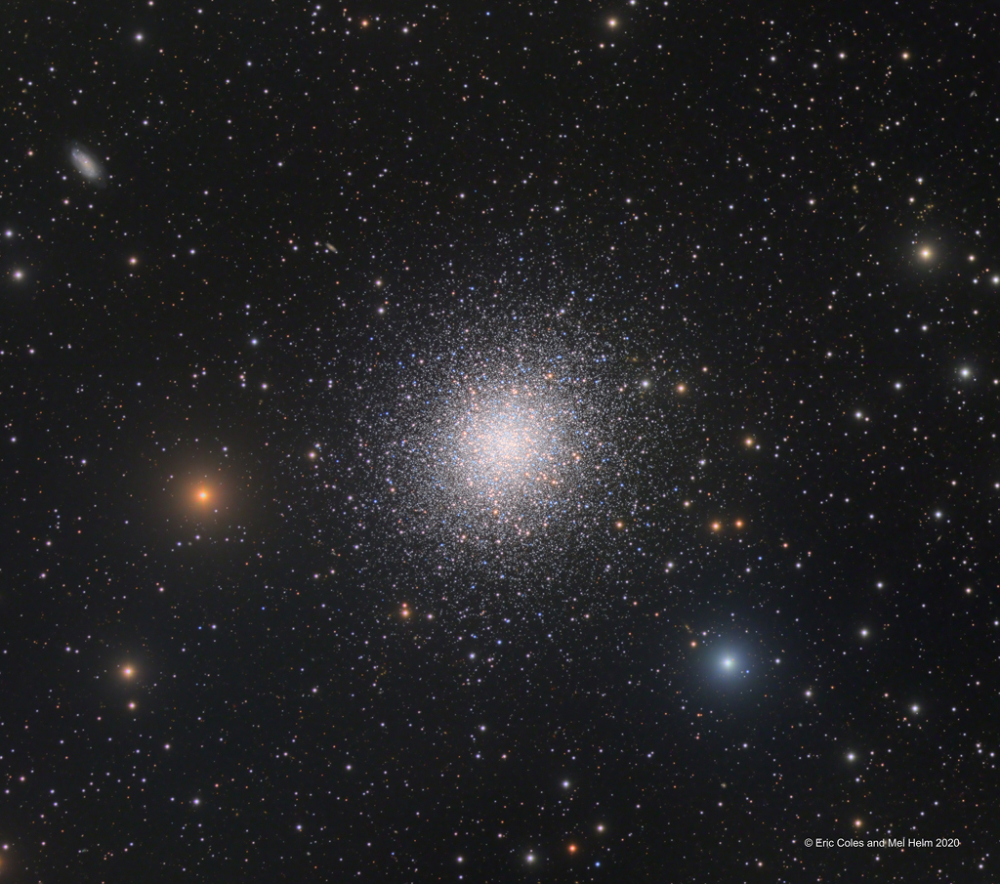
| M13 - Great Hercules Globular Cluster | Tele Vue 14 Delos | Apertura 102mm FCD-100 Doublet APO Classical Refractor |
"The two eyepieces have the same details and contrast, not only within the cluster itself, but in the small stars throughout the field of view. This is wild, as the Delos is a top tier eyepiece."
Suggested Use Case: Lunar and Planetary
In an f/10 SCT, this 1.3 mm exit pupil starts to excel in the lunar/planetary range. It’s also good for smaller planetary nebulae like the Blue Snowball, blinking planetary nebula, or Cat’s Eye nebula, when using a "blinking" method. These tiny planetary nebulae don't look like much more than a fuzzy star in most telescopes. You can center the “fuzzy star” in the field of view and move a UHC or OIII filter in front of your eye and then out again. All of the stars will dim, the background will darken, but that little fuzzy star will remain the same brightness. This is one way to positively identify those harder to observe nebulae! At 200x magnification in an SCT, this is a great place to observe Jupiter and Saturn. Generally, average seeing conditions will allow for this magnification.
In a refractor or Dobsonian, the ~2 mm exit pupil is wonderful for an “all around” eyepiece. Deep sky objects have good contrast against the background. Magnification levels are higher. However, it’s not too dark for those faint details to stand out. This is a great eyepiece in the Apertura AD8 or other 8” Dobsonian where globular clusters and larger planetary nebulae really start to look like something!
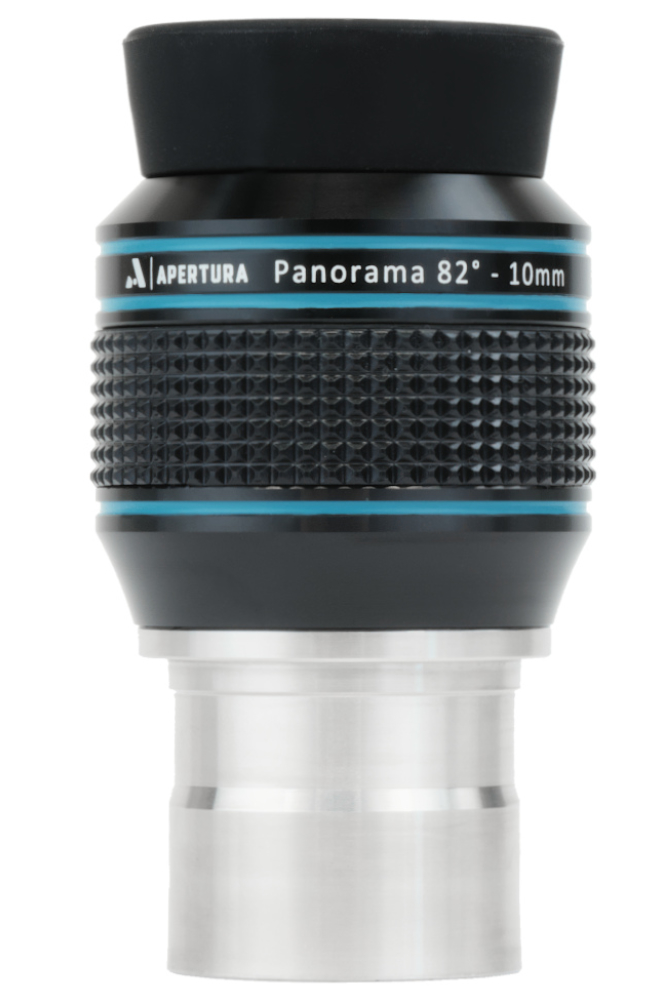
10mm Panorama Eyepiece
| Object Tested | Tested Against | Telescope Used |
|---|---|---|
| M57 - Ring Nebula | Tele Vue 9 Nagler (Type 6) | Apertura 102mm FCD-100 Doublet APO Classical Refractor |
"The 10 mm Panorama seems to have a more definitive position of best focus compared to the Nagler, which is a surprising result for me. This is a small exit pupil for deep sky objects but the telescope, and while that can be quite demanding, the eyepiece did great! "
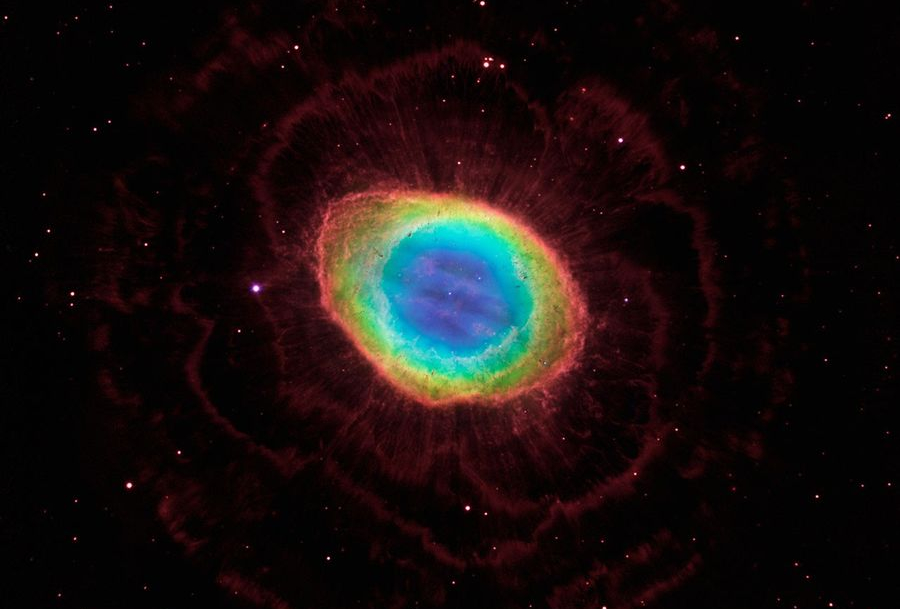
WIYN, AURA, NOAO, NSF
Suggested Use Case: Moderate to Small Deep Sky
In an SCT, this 10 mm eyepiece provides a 1 mm exit pupil, which is the max I use for deep sky objects. Beyond this, most of them tend to become too dark and you can’t see additional detail. However, double stars, some brighter globular clusters, very small open clusters, and lunar/planetary observing do well here.
With the f/6 refractor or Dobsonian, 1.6 to 2 mm exit pupil is still excelling at moderate-to-small deep sky objects and really starting to get into the smaller planetary and double star range.
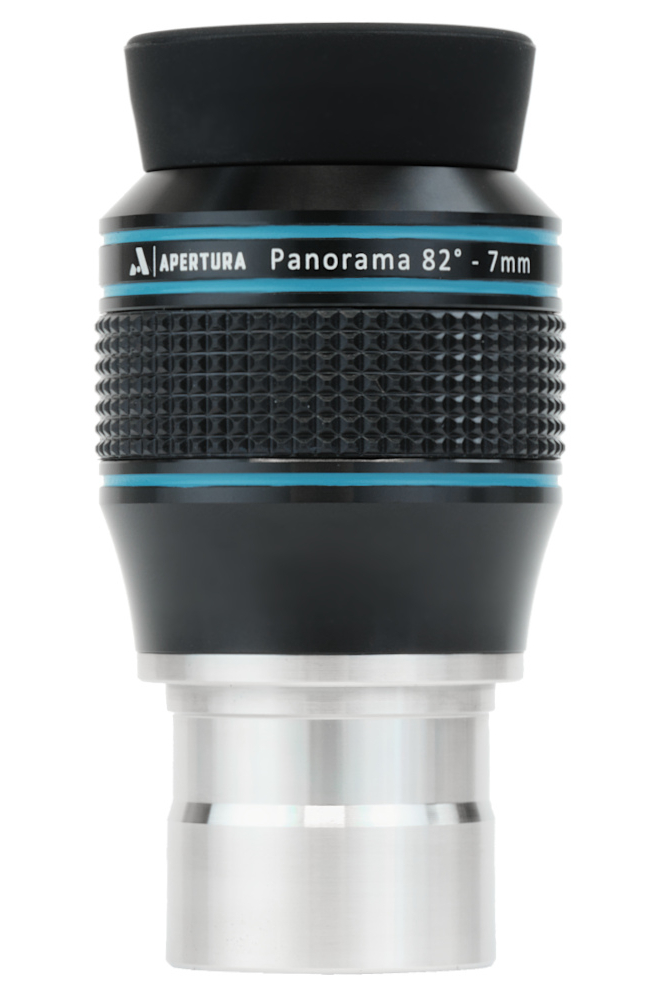
7 mm Panorama Eyepiece
| Object Tested | Tested Against | Telescope Used |
|---|---|---|
| Vega | Tele Vue 7 Nagler (Type 1) | Takahashi TOA130 |
"The usable field with the 7 mm Panorama is wider than the old Type 1 Nagler. When positioning Vega at the edge of the field on the Nagler type 1, then switching to the Panorama, there is significant space between Vega and the edge of the field, indicating a wider AFOV. The Panorama beats the 7 mm Nagler type 1 for coatings, stray light control, and ghosting. Reflections of Vega can be seen in the 40 year old Nagler Type 1 when the star is positioned off axis. Coating improvements are very much expected over that period of time and reflections are not present in new production Nagler eyepieces. The Nagler seems to have less eye relief but is also less sensitive to eye placement, again this is a 1st generation Televue. "
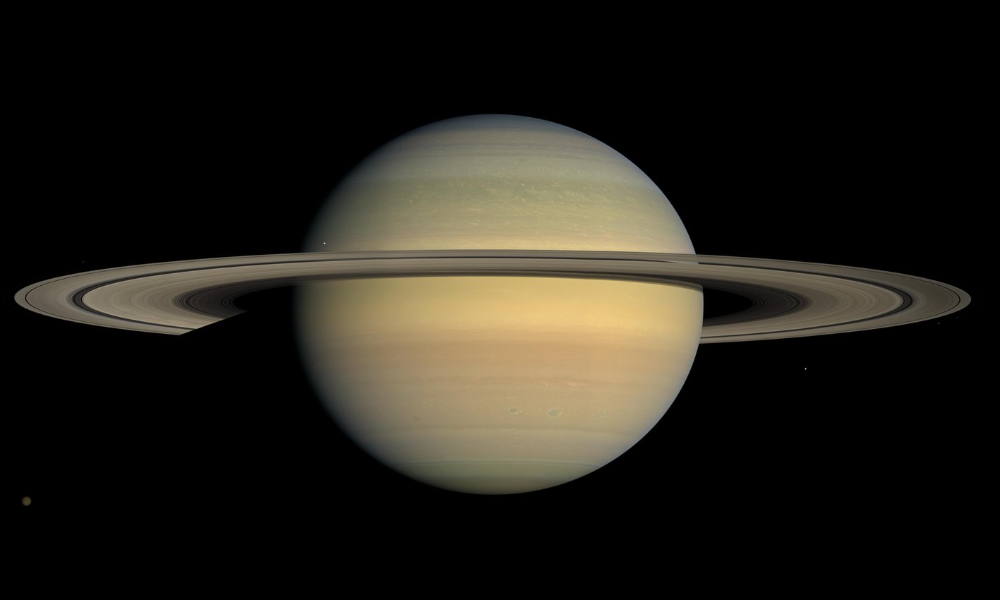
Suggested Use Case: Double Stars, Clusters, and Planetary
In the 8” SCT, a 0.7 mm exit pupil is quite small and the magnification of 285x is quite high. This is generally the higher end of magnification we can use. Many double stars stand out with reasonable separation, and the gas giants appear large in the eyepiece and are often at the maximum magnification for telescope quality and sky conditions. Obviously there are always exceptions based on telescope performance, vision, and local sky conditions.
In a refractor or Dobsonian the 7 mm is closing in on a 1 mm exit pupil. This is the max I use for deep sky objects. Beyond this, most objects tend to become too dark with no additional detail visible. However, double stars, some brighter globular clusters, very small open clusters, and lunar/planetary observing can do well here.
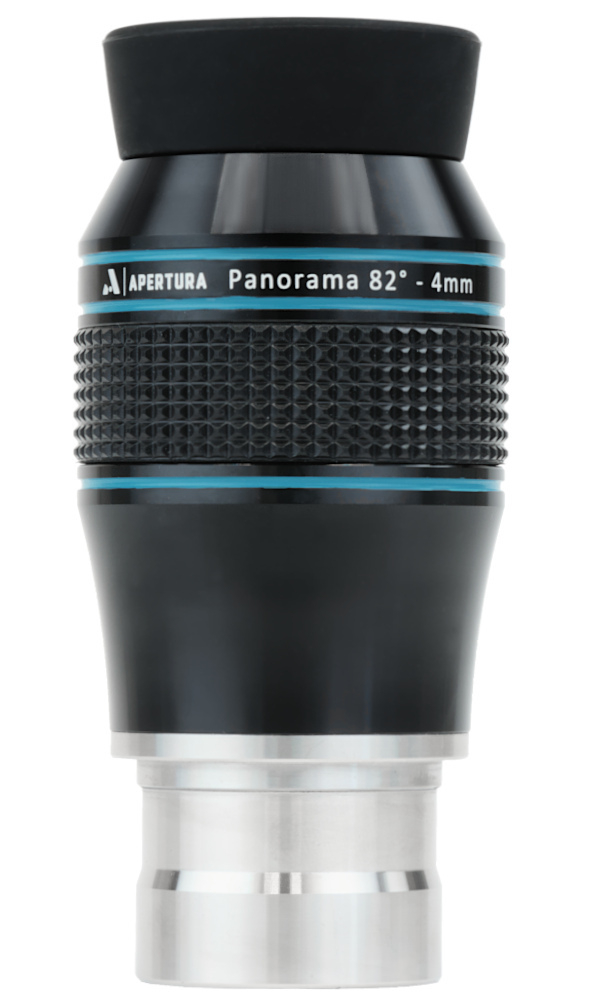
4 mm Panorama Eyepiece
| Object Tested | Tested Against | Telescope Used |
|---|---|---|
| Vega | Tele Vue 4 Delite | Takahashi TOA130 |
"I tested the sharpness and quality of view and cannot differentiate between the two eyepieces, outside of the much larger field of view on the Panorama and the extended eye relief of the DeLite. The Delite has a much smaller apparent field of view but is well known for its excellent optical performance. The fact that the Panorama, in most instances, can stand side-by-side with the 'King of Eyepieces,' TeleVue, is impressive. "
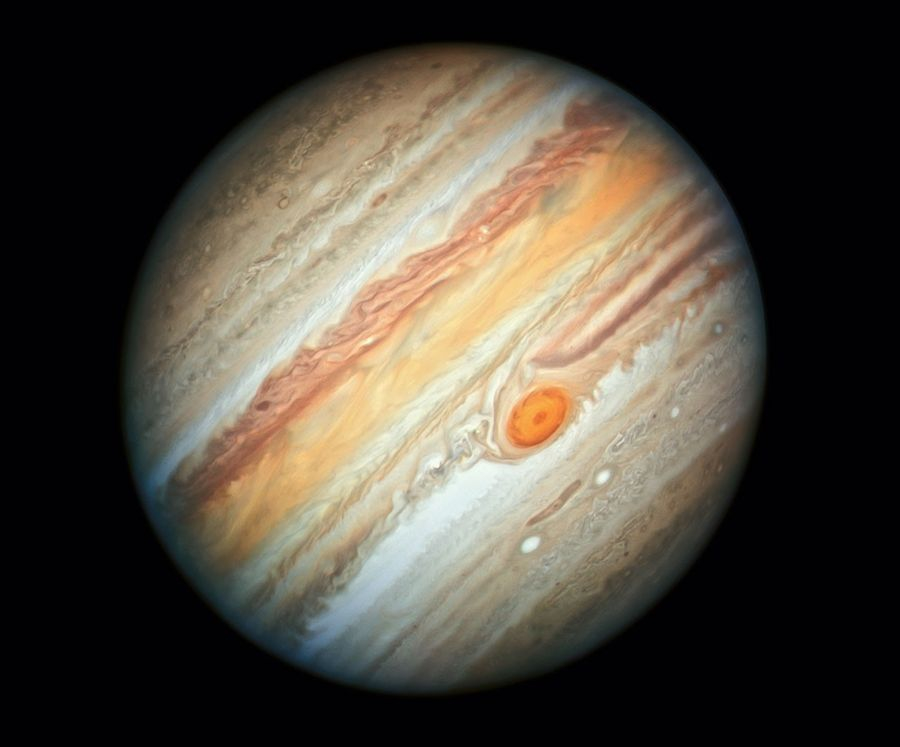
A. Simon (Goddard Space Flight Center),
and M.H. Wong (University of California, Berkeley)
Suggested Use Case: Small, Bright Objects
This eyepiece is going to provide too much magnification and too dim of an image in an SCT for MOST conditions. The only logical application I can think of in an SCT would be for splitting close double stars. When doing this, we can usually really push the magnification if the sky is steady enough. Otherwise, I would not use this in an f/10 telescope. With an 8” SCT, a 0.7 mm exit pupil is quite small and the magnification of 285x is quite high. This is generally the higher end of magnification we can use. Many double stars stand out with reasonable separation, and the gas giants appear large in the eyepiece and are often at the maximum magnification for telescope quality and sky conditions. Obviously, there are always exceptions based on telescope performance, vision, and local sky conditions.
For a refractor or Dobsonian in the f/4.5 to f6 range, you’ll see around a 0.7 mm to 1.125 mm exit pupil. Again, this is good for those smaller, brighter objects, as long as the telescope is up to the magnification levels and the sky conditions are suitable. This would be a good maximum magnification eyepiece for these telescopes. I used this eyepiece in an Apertura 72EDR to view the Moon and Jupiter, and it was great! While Jupiter was small, the disc was sharp and the four moons could be seen standing proud across the dark background sky.
Apertura Panorama Eyepiece Features and Specifications
The Apertura Panorama eyepieces are highly corrected wide field eyepieces that perform on par with many of the most well regarded eyepieces in astronomy today. Available in a range of focal lengths, they feature an 82° apparent field of view and are well suited for use with SCTs, Dobsonians, refractors, and many other telescope designs. The fold up eyecups provide comfortable viewing, and the eye relief is comparable to other 82° eyepieces, making the Panorama eyepieces accommodating to most observers.
The Apertura Panorama eyepieces use a durable stainless steel eyepiece barrel rather than the more common aluminum construction. This is an unusual feature and a high-end option I appreciate! They are fully multi-coated with anti-reflection coatings and are internally baffled, which improve image brightness and enhance contrast during observation.
Focal Length (mm) |
Barrel Size (in) |
Eye Relief (mm) |
Eye Lens Diameter (mm) |
Field Stop Diameter (mm) |
Advertised AFOV |
Lens Structure (#Elements / #Groups) |
Length w/ Eyecup Collapsed (mm) |
Maximum Width (mm) |
Weight |
|---|---|---|---|---|---|---|---|---|---|
| 28 | 2 | 18 | 27 | 40 | 82 | 6/4 | 119 | 73 | 1lb 11oz |
| 21 | 2 | 15 | 21 | 29.3 | 82 | 6/4 | 98 | 60 | 1lb 2.5oz |
| 16 | 1.25 | 12 | 21 | 21.24 | 82 | 7/4 | 85 | 45 | 7.2oz |
| 13 | 1.25 | 12 | 21 | 18.5 | 82 | 7/4 | 90 | 45 | 7.6oz |
| 10 | 1.25 | 12 | 17 | 14.2 | 82 | 7/4 | 78 | 45 | 7.8oz |
| 7 | 1.25 | 12 | 17 | 11.3 | 82 | 7/4 | 83 | 45 | 6.7oz |
| 4 | 1.25 | 12 | 17 | 5.6 | 82 | 7/4 | 92 | 45 | 6.6oz |
Conclusion
The Apertura Panorama eyepieces consistently deliver what matters most at the eyepiece:
- High contrast sights
- Sharp on axis performance
- Well controlled aberrations
- Wide fields across a broad range of telescopes
This has been proven through the extensive side-by-side observing, detailed object testing, and true blind comparisons. From globular clusters and nebulae to lunar, planetary, and double star work, the Panorama eyepieces repeatedly proved capable of standing shoulder to shoulder with long established premium designs, while remaining practical, accessible, and affordable for a wide range of observers. Based on both my careful analysis and many nights under the stars, the Panorama eyepieces demonstrate that a well executed wide field design no longer has to come with a premium tier price and can still fully respect the fundamentals of good optical performance.
FAQs
Are Apertura Panorama eyepieces good for planetary viewing?
The Apertura Panorama eyepieces are exceptional for planetary viewing! With available focal lengths of 4 mm, 7 mm, and 10 mm, these high powered eyepieces provide sharp, high contrast sights on Jupiter's cloud bands, Saturn's rings, surface details on Mars, and plenty more.
How do Panorama eyepieces compare to Tele Vue?
In most cases, the Apertura Panorama eyepieces deliver as good of an optical performance as the Tele Vue Naglers at a much more accessible price. If you want true, no-compromise, best-of-the-best optics, no questions asked, Tele Vue is hard to beat. If you want performance that stands shoulder-to-shoulder with the premium options at a fraction of the cost, the Apertura Panorama line is an outstanding choice.
How do Panorama eyepieces compare to Explore Scientific 82°?
During a blind test organized by Product Developer and Award Winning Amateur Telescope Maker, Matthew Paul, the Apertura Panorama eyepieces were found to be indistinguishable from or slightly better than the Explore Scientific eyepieces, depending on focal length.
Are Panorama eyepieces good for Dobsonian telescopes?
The Apertura Panorama eyepieces are excellent for pairing with Dobsonian telescopes. These high-quality eyepieces maximize your telescope's light gathering power, delivering bright, sharp sights on a variety of objects. When using these eyepieces with a Dobsonian, the 4 mm eyepiece works great for lunar viewing, the 7 mm, 10 mm, and 13 mm eyepieces work well for planetary viewing, and the 16 mm, 21 mm, and 28 mm eyepieces can be used for deep sky viewing.
What focal lengths are available?
The Apertura Panorama eyepieces are available in seven different focal lengths: 4 mm, 7 mm, 10 mm, 13 mm, 16 mm, 21 mm, and 28 mm. The 4 mm-16 mm eyepieces come with a 1.25" barrel, while the 21 mm and 28 mm eyepieces come equipped with a 2" barrel.
Glossary
#-Element (i.e. 2-element, 3-element, etc.)
When a refractor is described as having a 2-element, 3-element, 4-element, etc. optical design, that dictates the number of lenses within the refracting telescope. The number of elements also dictates how that refractor is classified: 2-element refractors are doublets, 3-element refractors are triplets, 4-element refractors are quadruplets, and so on.
Apparent Field of View (AFoV)
Also referred to as AFOV, apparent field of view is observable angle of the area viewed through optics (measured in degrees). The larger the AFOV degree, the bigger the field of view.
Amateur Astronomer
An amateur astronomer is a person you observes or studies the night sky and astronomy as a hobby, rather than having it as their profession.
Barrel
The barrel is a part of accessories like eyepieces and Barlows that is inserted into other parts of your telescope set up. For example, an eyepiece barrel is inserted into the focus tube on the telescope.
Bortle Scale
The Bortle scale measures how light polluted a particular area is, and classifies the level of brightness from 1 to 9, with 9 being the brightest. This scale is incredibly helpful for astronomers, as the darker the sky, the more celestial objects are able to be discerned.
Chromatic Aberration
Different wavelengths of light travel at different speeds based on the medium it occupies. When white light is exposed to glass such in a telescope or lens, blue light, red light, and green light slow at varying rates. This change of speed causes each wavelength to focus at different points along the focal plane, resulting in color fringing seen within the images taken.
Contrast
Contrast, in the context of astronomy, describes the difference in brightness between the celestial object(s) and the background of the sky.
Deep Sky Object
A deep sky object is a faint celestial object that exists beyond our solar system. Deep sky objects are primarily nebulae, star clusters, and galaxies. This categorization does not include individual stars.
Dobsonian Telescope
The Dobsonian telescope consists of a Newtonian reflector optical tube assembly mounted on a very simple alt-azimuth box-style mount with a lazy Susan base. This base was invented by John Dobson to encourage people to make their own telescopes from start to finish. Up until that time, telescopes required a heavy equatorial mount that produced a financial or weight barrier for some otherwise enthusiastic budding astronomers. John Dobson and his base changed all that, and even today, Dobsonian telescopes still provide the most light-gathering dollar for dollar.
Exit Pupil
The diameter of the light cone that exits an eyepiece, dependent upon magnification and aperture, expressed in millimeters. A larger exit pupil means more gathered light and an easier viewing experience. But, because the dark-adapted human pupil is approximately 7mm, exit pupils greater than 7mm do not necessarily provide more light gain.
Eye Relief
The distance you can situate your eye from the eyepiece lens and still obtain a full, unobstructed field of view. Eye relief that is either too short or too long can make observation uncomfortable, especially if you wear glasses. Generally speaking, eyepieces with shorter focal lengths have shorter eye relief. When necessary, you can increase eye relief without sacrificing magnification by swapping a high-power eyepiece for a low-power eyepiece and a Barlow lens.
Eyepiece
An eyepiece is a group of lenses housed in a small package that is closest to the eye when used with a telescope, microscope, or spotting scope. The eyepiece provides a particular magnification when paired with a telescope, therefore most amateur astronomers use a variety of eyepieces to change magnification for different types of objects. The eyepiece nomenclature is expressed in its focal length in millimeters. To figure out the magnification, simply divide the focal length of the eyepiece into the focal length of the telescope. The result is the magnification provided in your particular telescope or one with the same focal length.
Field of View (FOV)
In simple terms, your field of view is the amount of sky that is witnessed by your telescope/camera combination, or telescope/eyepiece combination. This measurement is calculated in angular degrees. To calculate how much of the sky you can image with your astrophotography rig, take the width of your camera chip, multiply it by 57.3, then divide that product by the focal length of your optics. If you want to determine how much of the sky you can view through your eyepiece, take the apparent field of view of your eyepiece (provided by the manufacturer), then divide it by the quotient of your telescope’s focal length & the focal length of your eyepiece.
Field Stop
A ring placed inside of the eyepiece barrel designed to limit and sharpen the edges of the field of view.
Filter
A filter is an accessory that is inserted within the imaging train. These accessories allow only select wavelengths through to the camera sensor. For instance, a blue filter will only allow the camera sensor to collect blue light, while all other light is blocked out. There are a wide variety of filters, from light pollution filters to narrowband filters. The combination of data from filters is a great way to create images that highlight certain wavelengths from celestial objects.
Finder Scope
A finder scope fits on top of the main telescope and is used to help you find and center objects in your eyepiece. A finder can be as simple as a red dot finder or it can be a high quality small telescope in its own right.
Focal Length
The focal length is the distance, usually measured in millimeters, between the primary mirror or lens and the point at which the image comes to focus. Generally, classic refractors have a longer focal length, Newtonian reflectors tend to have a focal length that is shorter, and Schmidt-Cassegrains fall somewhere in the middle.
Focal Ratio
The focal ratio is calculated by dividing the aperture (mm) of the primary mirror or lens into the focal length. Example: 2,500 mm divided by 254 mm (10") equals an f/ratio of 9.84, which is usually rounded off, in this case to f/10. The focal ratio signifies how quickly a telescope gathers light and tells us something about the telescope's field of view, how long exposures will take during astrophotography sessions, and how much magnification the eyepiece will produce for that telescope.
Magnification
Magnification is calculated by dividing the telescope’s focal length by the focal length of the eyepiece being used. For example, using an eyepiece with a focal length of 20mm and a telescope with a focal length of 600mm gives a magnification of 30x.
Moon
A moon is a naturally occurring object that orbits a planet or other celestial bodies (excluding stars). These are also called natural satellites. The Moon, capitalized is the Earth's only natural satellite and is the brightest object in the night sky. The Moon stabilizes the tilt Earth's orbit, causing the seasons, and tides.
Nebula
A nebula is a type of celestial body that is made up of gas and/or dust. There are 3 different types of nebulae within space. Emission nebulae have a “glowing” effect, where they absorb and emit light from surrounding stars. The colors emitted are entirely dependent on the gasses present within the nebulae itself. This type of nebula also includes planetary nebula and supernova remnants, produced by stars themselves. As opposed to emitting light itself, reflection nebulae reflect starlight from neighboring stars. Reflection nebulae are typically blue in color, such as the Pleiades or the Running Man Nebula. The last type of nebulae is dark nebulae, which blocks stars and other objects from our view, creating a dark silhouette.
Newtonian Telescope
A Newtonian telescope (sometimes colloquially called just a ‘Newt’) is a reflector telescope with a fairly simple, yet effective, optical design. Using just a basic parabolic-shaped primary mirror and an even more basic flat secondary mirror, this optical design is one of the most cost effective reflector designs; and yet it still offers compelling performance. Coma is an aberration inherent to the Newtonian optical design, which is why coma correctors are commonly used when imaging with these telescopes. Compared to most newer reflector designs, Newtonians do not utilize a folded mirror system, meaning they are physically longer than SCTs, RCs, or Mak-Cass. This also means that light does not exit out the back of the scope, but the side. This is a comfortable location for observing, but a bit less ideal for imaging equipment.
Optics
In basic terms, this refers to the system that “collects” and focuses incoming light down to a smaller, brighter, magnified image that is then viewed through an eyepiece or captured by a camera. There are different ways to accomplish this, most commonly with glass elements (refractor) or with systems of mirrors (reflector). Each approach comes with its own set of tradeoffs, whether that be chromatic aberration, coma, etc. which can sometimes be mitigated with upgraded optical components (ED glass) or additional corrective components (like coma correctors). Numbers of standard optical designs have emerged as well, such as doublets, triplets, Petvals, Newtonians, SCTs, RCs, and more.
Schmidt-Cassegrain Telescope (SCT)
The acronym SCT stands for Schmidt-Cassegrain Telescope, one of the most popular telescope designs in amateur astronomy today. A Schmidt-Cassegrain, which belongs more broadly to the Catadioptric telescope type, uses a folded optical design incorporating both mirrors and lenses to gather and bring the light to focus. The folded light path allows for a short tube assembly even with relatively large apertures of 8" or more. A shorter tube length makes the SCT far more portable than a classic Newtonian or refractor of the same aperture.
Seeing Conditions
This term refers to the overall clarity of the night sky at any given time and within any given location. This clarity fluctuates constantly, as it is based on numerous different atmospheric conditions, such as humidity, turbulence, high clouds, heat, and plenty more. To give an example, you may have witnessed stars in the night sky “twinkle.” This is due to our atmosphere distorting their incoming light, causing a twinkling effect. When it comes to astronomy, especially when observing the planets and the Moon, seeing conditions are very important to consider, as these distortions can cause the subjects to become blurred and unfocused. It’s best practice to observe celestial objects when the atmosphere is most stable.
Star
A star is a luminous sphere of plasma held together by the collective gravitational attraction of hydrogen and helium atoms. Stars also contain various trace elements, such as lithium, carbon, and towards the end of there life cycle, iron. Stars come in many temperatures, colors, and sizes. High mass stars like Betelgeuse appear to shine red from our perspective because our eyes are only sensitive to a small portion of the electromagnetic spectrum. To see the true luminosity of Betelgeuse, you need specialized equipment designed to capture the appropriate wavelength of light.

Click the arrow above to see MLA, APA, and Chicago Manual of Style citations.
MLA:
Paul, Matthew. "Apertura Panorama Eyepiece Review: In-Depth Test & Comparison for 2026," AstronomyHub, High Point Scientific, 18 Feb. 2026, https://www.highpointscientific.com/astronomy-hub/post/best-telescopes-and-accessories/apertura-panorama-eyepiece-review.
APA:
Paul, M. (2026, February 18). Apertura panorama eyepiece review: in-depth test & comparison for 2026. High Point Scientific. https://www.highpointscientific.com/astronomy-hub/post/best-telescopes-and-accessories/apertura-panorama-eyepiece-review
Chicago Manual of Style:
Bibliography:
Paul, Matthew. "Apertura Panorama Eyepiece Review: In-Depth Test & Comparison for 2026." AstronomyHub (blog). High Point Scientific, February 18, 2026. https://www.highpointscientific.com/astronomy-hub/post/best-telescopes-and-accessories/apertura-panorama-eyepiece-review.
Footnote:
Matthew Paul, "Apertura Panorama Eyepiece Review: In-Depth Test & Comparison for 2026," AstronomyHub, High Point Scientific, February 18, 2026, https://www.highpointscientific.com/astronomy-hub/post/best-telescopes-and-accessories/apertura-panorama-eyepiece-review.