Table of Contents
Contents
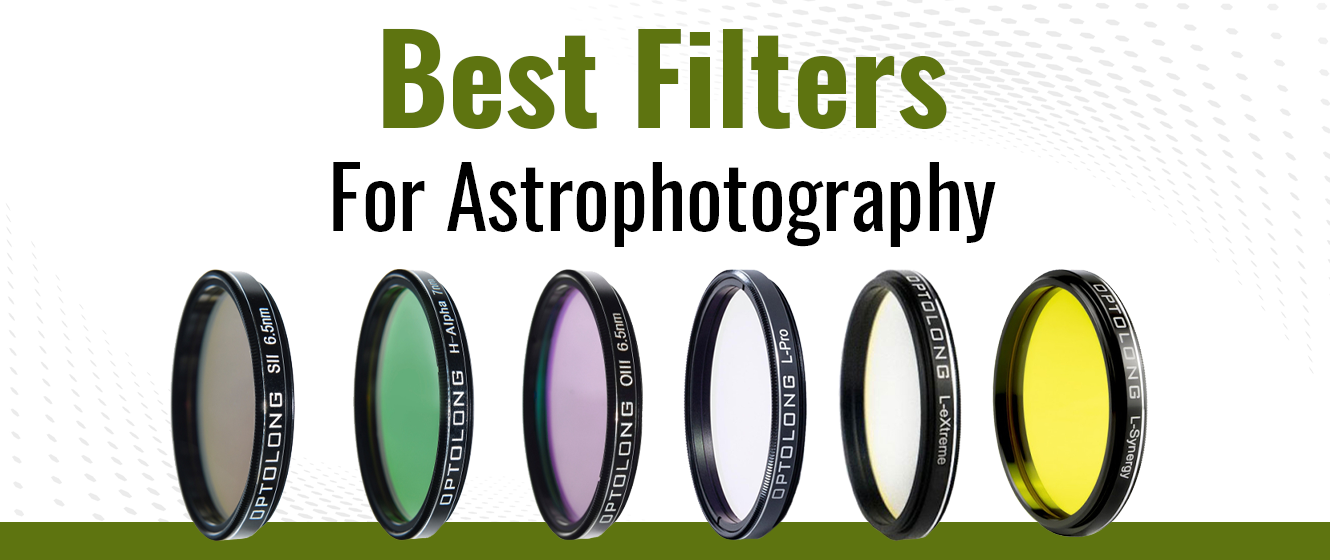
While it may sound hyperbolic, adding the right filter or set of filters to your imaging train truly can transform your astrophotography experience! If you're looking to add more 'pop', 'punch', and 'presence' to your photos, follow along with us as we explore what selections shine with certain targets and shine a light on stellar selections!
Astrophotography filters offer you a way to cut through pollution, zero in on details, and even exert additional control over your final image. With today's advanced filter technology, enhancing your images is more accessible and can be more focused than ever before in the amateur astronomy space, if you know what to look for! However, with the selection of filters being wider than ever before as well it can be difficult to hone in on the right filter for you, or even where to begin your search. If you have found yourself floating in the sea of stellar selections available now, tag along as we tether the task of filter selection back down to Earth and demystify this exciting and intriguing topic!
If you already have a handle on the right size or type of filter for your system, feel free to use the navigation below to jump straight to some of our favorite color and monochrome camera picks. Otherwise, strap in as we explore target types and the selections that shine with them!
For a visual walkthrough of target types and filter recommendations for different targets and color/mono camera options, check out our video on filters below.
Emission and Broadband Objects
When it comes to deep sky astrophotography, targets generally fall into to two main categories: emission and broadband. Identifying which of these categories the objects you're most interested in fall into is key to directing your search for a filter or filter set. Accordingly, let's take a look at these two classes of targets

Emission Targets - Emission objects are usually nebulae with highly ionized gas emitting light across various different wavelengths. The strongest wavelength is usually in the H II region, which has a lot of ionized hydrogen (also known as Hydrogen Alpha, or Ha) and gives the nebula a red color. However, other ionized atoms, such as oxygen and sulfur, can also be found in the nebula (albeit a lower amount). Examples of emission nebula include the Horsehead Nebula, the Rosette Nebula, the Eagle Nebula, and countless more. These emission channels are usually transmitted to your camera sensor through a filter with a bandwidth. The smaller the bandwidth, the better the transmissibility of the signal. For example, a filter with a 7nm bandwidth will be better than a filter with a 12nm bandwidth.
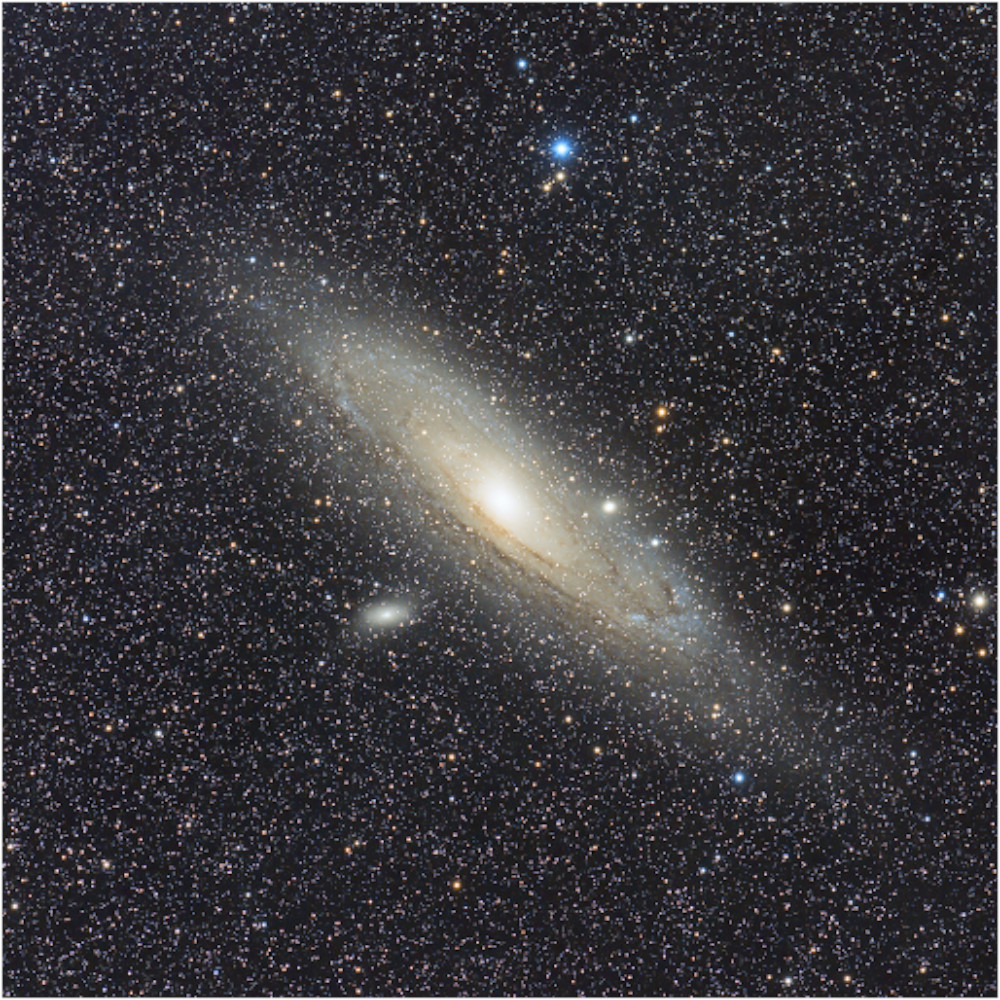
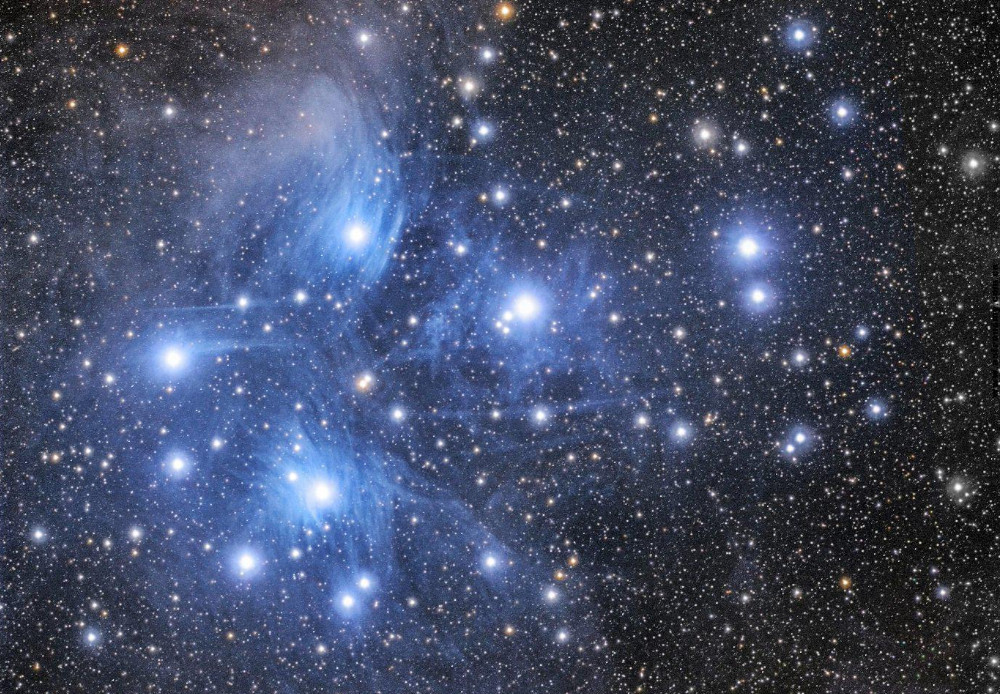
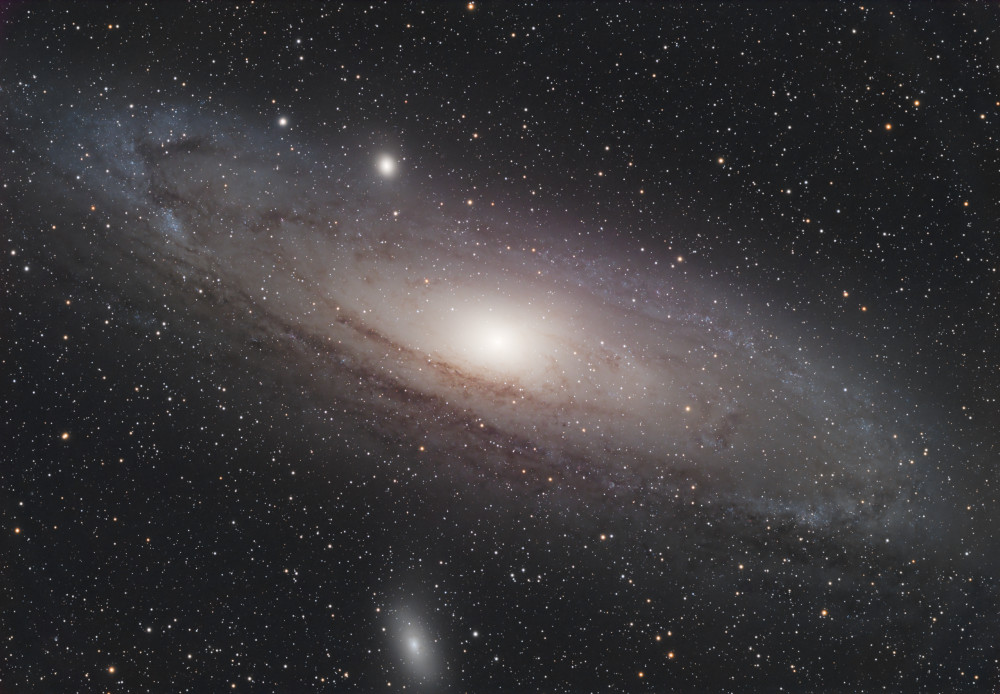
Broadband Targets - Broadband objects are different: these are usually objects whose light is emitted across a wider wavelength (thus is broad) and cannot be narrowed down to just a single region. As such, filters designed for broadband objects must capture light across a larger spectrum. Unfortunately, this means that light from LEDs, which is also broadband, is not filtered out as effectively. Broadband objects include all galaxies, stars, and reflection nebulae (such as the Pleiades or the Iris Nebula).
You may be wondering, can you use a filter designed for narrowband targets on broadband targets and vice versa? In short, it is ill advised to use narrowband filters on broadband targets such as galaxies, star clusters, stars, and reflection nebulae. Doing so will result in oddly colored objects and even subdue detail, as the aggressive filtering from narrowband filters can block the wavelengths containing some of the most stunning details of these targets. Conversely, using a broadband oriented filter on an emission target can be done, however the boost in contrast and detail will not match that of a dedicated narrowband filter or filter set.
Specification and Hardware Considerations
So you've narrowed down your search to a specific class of filter, but what bandpass should you pick? What size filter? Let's take a look at these two important details you'll need to hone in on the right filter for you!
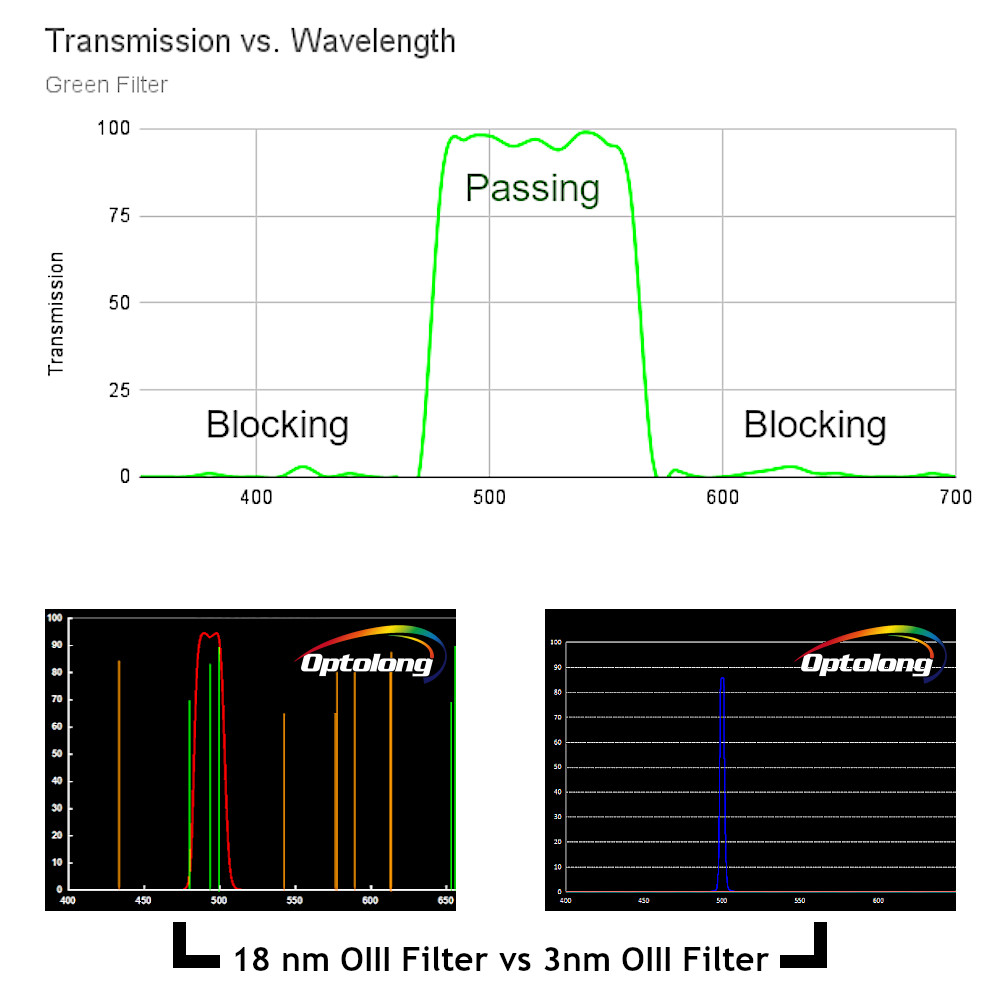
Bandpass - When shopping for a light pollution filter, you’ll often come across the term “12nm FWHM” or similar. This simply refers to the transmissibility of a certain wavelength of light through the filter, or its ‘bandpass’. Generally speaking, the lower the bandpass, the better the transmissibility depending on your optics. However, for those with a modified DSLR or a camera that is not optimized for cooling, you may find that using a 7nm might not have much benefit over a 12nm due to the camera’s limited dark current. Those with a cooled CMOS sensor might prefer a 6nm or 7nm filter as it will feature better transmissibility of a certain wavelength, especially in situations where light pollution is significant. The more narrow the bandpass, the better transmissibility of a certain wavelength.
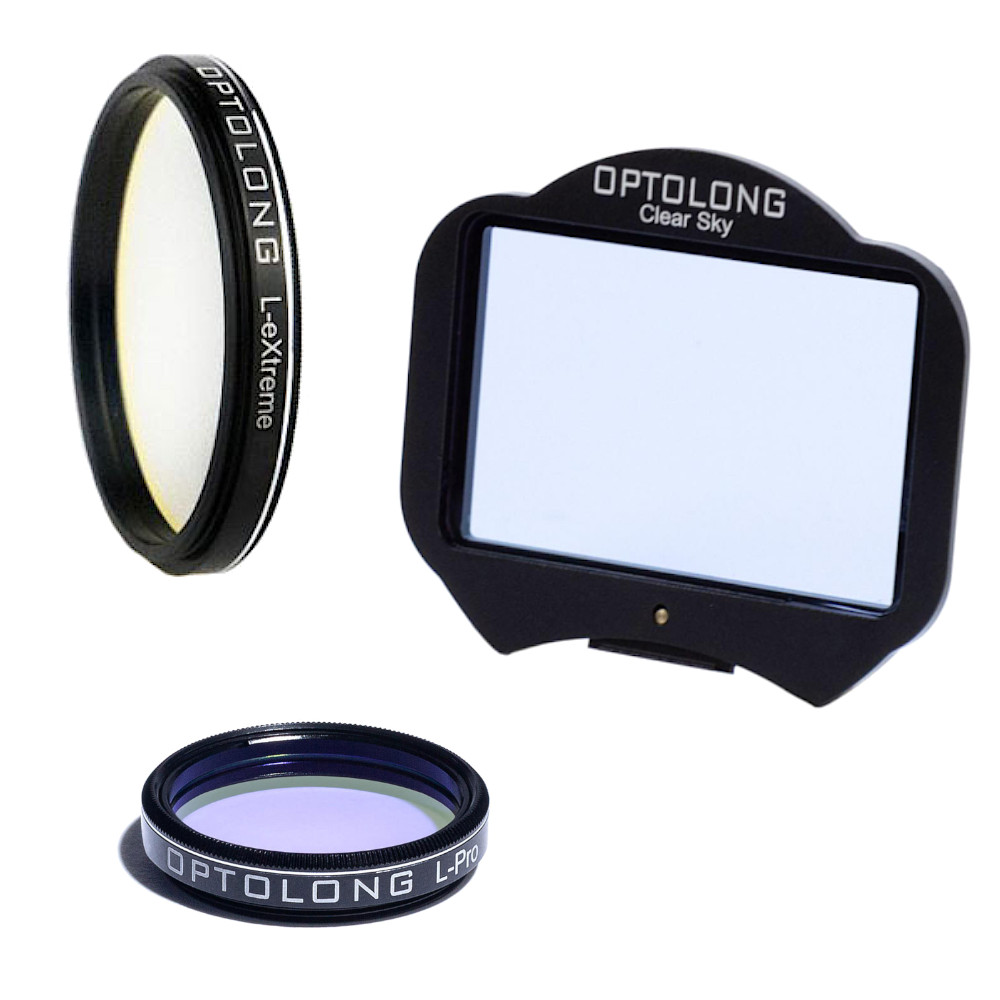
Filter Size - Filters come in a number of sizes and form factors, and choosing the correct size can save you from vignetting your image without paying for coverage you don't need. The diagonal measurement of your sensor is key to deciphering this puzzle. For example if you are imaging with a full-frame camera, your sensor is close to 44 mm corner to corner and will need a filter at least that big situated fairly close to prevent light from being cut off. There is a bit more to this equation than just what filter is closest to your sensor measurement, as opting for common sizes (1.25", 2") can greatly expand your selection even if you are getting a bit more coverage than you need. Selecting a common size will also help you solve how you will integrate the filter into your imaging train, as there will be more selection when it comes to filter drawers, cells, and filter wheels. This can be somewhat complicated with photography cameras, as some manufacturers make what are known as clip-in filters which restrict your filter to a small selection of camera bodies, but ease adding a filter into your imaging train.
Standout Selections
While nailing down these four important factors will really help direct your search, with today's rich filter market zeroing in on a good filter for your system can be a daunting task. We've put together this helpful guide on how to interpret filter transmission charts which can help pare things down even more, however to help make the search a bit simpler we've also compiled the following list of solid options that are sure to give your images a boost! When it comes to adding these excellent options into your imaging train, we have a dedicated guide about adding filters into your imaging train to assist in your imaging train construction, however we've included some of our favorite filter accessories that make this process straightforward and imaging a breeze.
COLOR CAMERA PICKS
| Type | Size(s) | Light Pollution Broadband |
1.25" | 2" (Featured) | Clip-In |
|---|
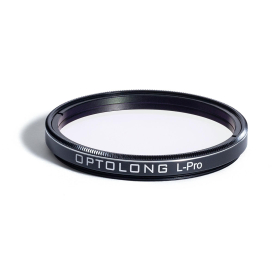
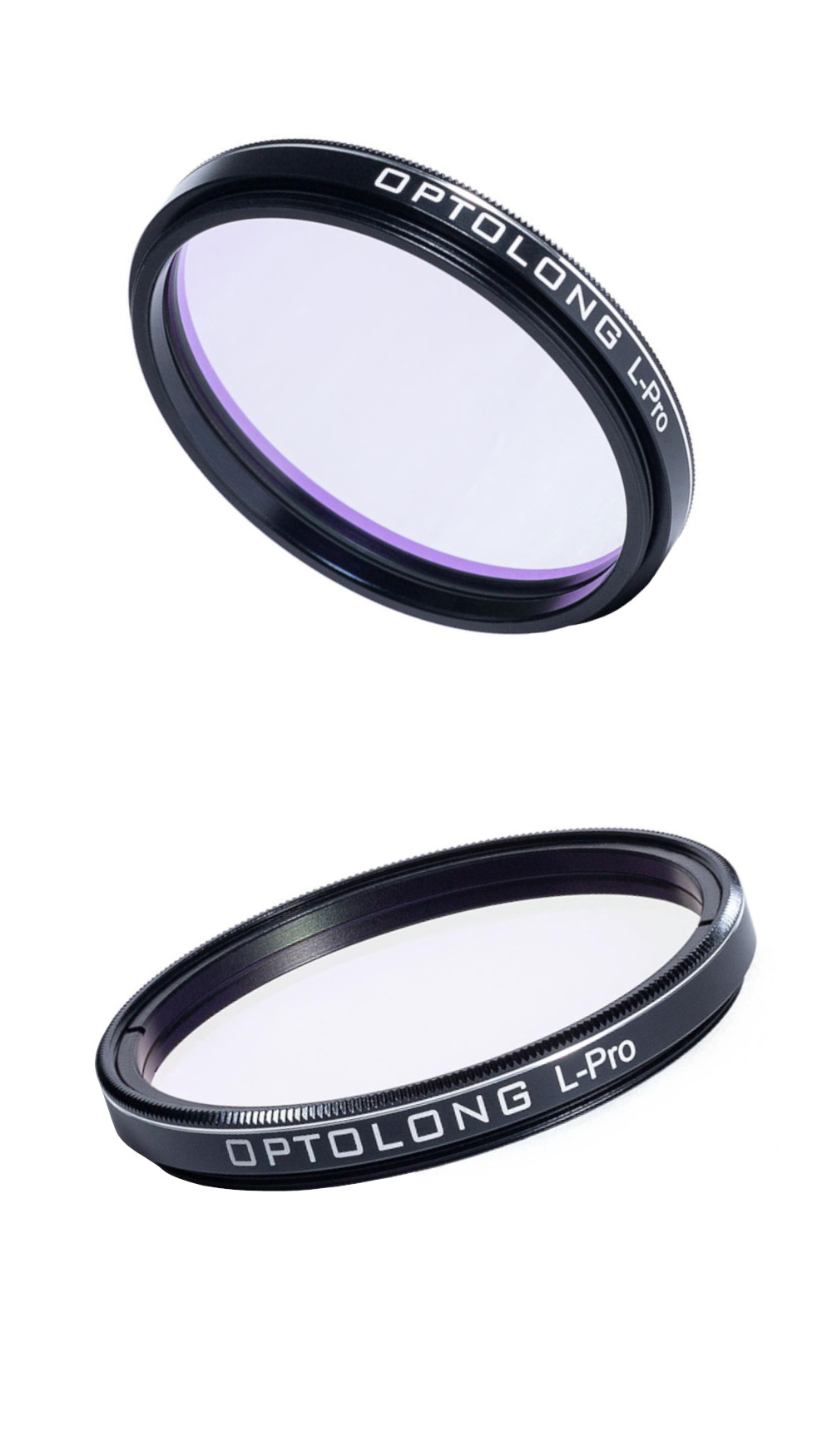
The Optolong L-Pro is an excellent pick for broadband targets, effortlessly improving your images. This easily accessible boost is thanks to the filter's gentle profile, which takes a very targeted light pollution rejection approach that allows a good portion of the visible spectrum through. This tightens up contrast while maintaining a more natural color that helps broadband targets shine and make post processing simpler. This effective yet not overly aggressive profile has helped cement the Optolong L-Pro's reputation as an easy and reliable pick for punching up astrophotos.
Honorable Mention
Optolong 2" L-Quad Enhance Filter -
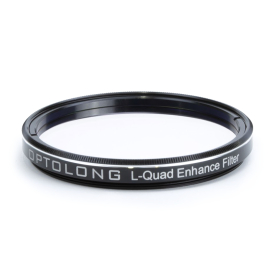
Slightly more aggressive in its filtering than the L-Pro, yet not quite as selective as more emission target focused filters, the Optolong L-Quad Enhance Filter offers an option for those looking for a bit more light pollution rejection!
Optolong L-eXtreme Dual Band 7nm HA/OIII Light Pollution Filter -
| Type | Size(s) | Dual Band Emission |
1.25" | 2" (Featured) | Clip-In |
|---|
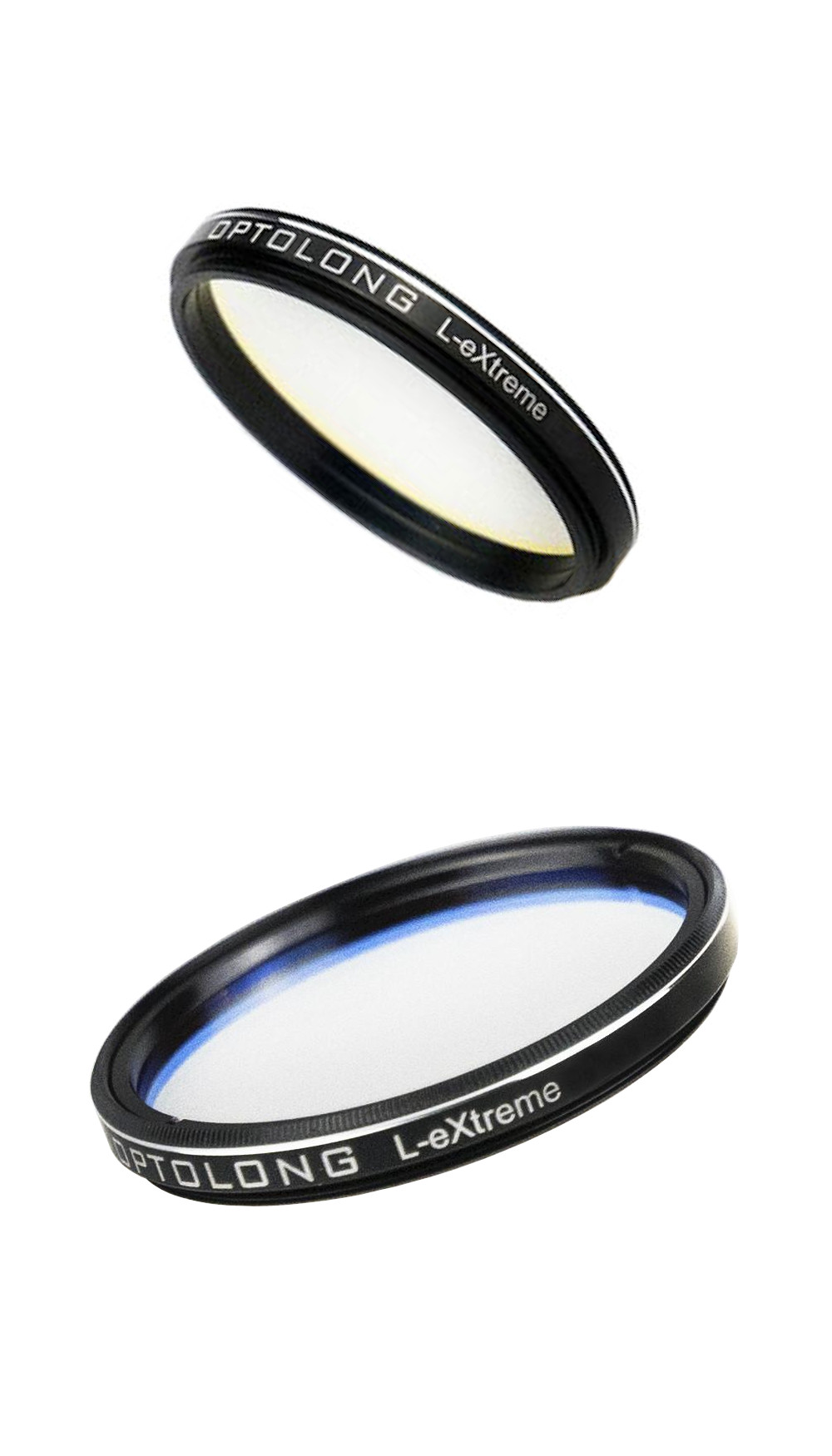
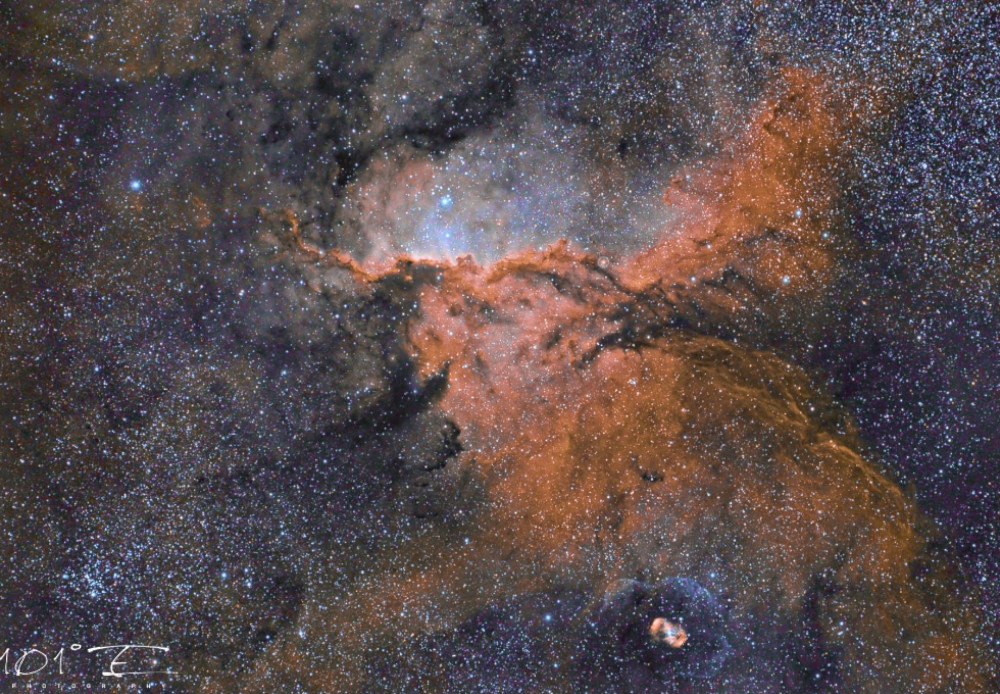
With narrow 7 nm bandpasses at the Ha and OIII wavelengths, the Optolong L-eXtreme brings one-shot color cameras an emission-target focused filter option. Optolong's incredible filter technology effectively isolates these key wavelengths from pollution and irrelevant light, providing an incredible boost to contrast and detail on deep sky targets. The 7 nm bandpasses can be a bit challenging for unmodified photography cameras due to their low sensitivity in the Ha region, however with dedication enhanced contrast can still be realized at this level of isolation, with modified and dedicated astronomy camera users easily accessing the additional detail and contrast this time-tested filter has to offer!
Honorable Mention
Optolong L-Para Dual Band Filter -
For an emission target focused filter with a bit less aggressive filtering, we recommend the Optolong L-Para 2" Dual Band Filter! This features 10 nm bandpasses at the crucial Ha and OIII bands, which still provides a marked improvement to contrast and detail over no filter or a broadband filter on emission objects, while being more forgiving with unmodified photography cameras.

Optolong L2 Dual Combo 2" Filter Set -
| Type | Size(s) | One-Shot Color SHO Combo Emission |
2" |
|---|
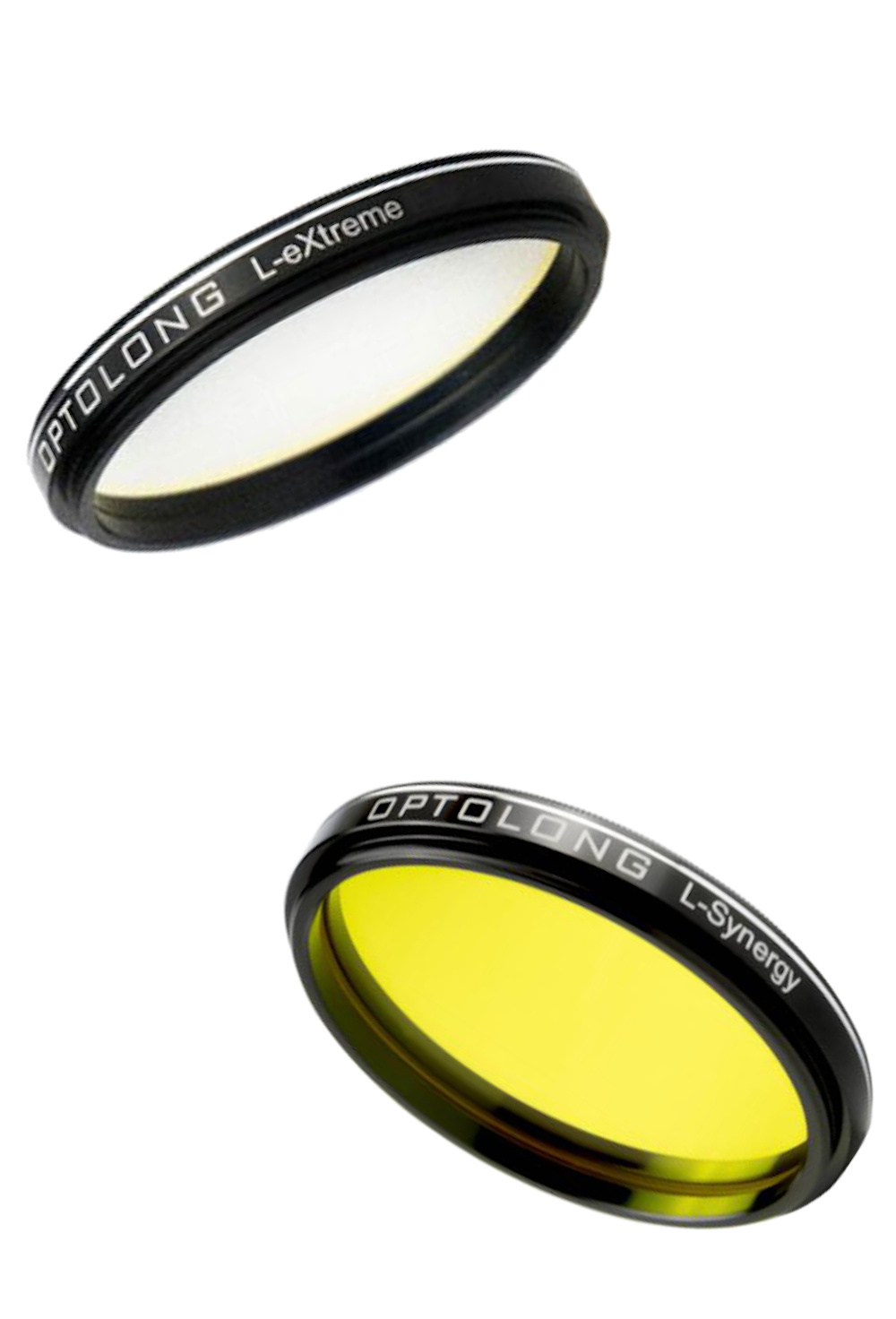
Popularized as the 'Hubble Pallette', the SII, Ha, and OIII combination of data (SHO) paints a stunning portrait of emission nebulae. While this classically has been the domain of monochrome cameras, in recent years a color camera method has gained popularity. This cleverly uses the color channels to separate the wavelengths of a dual band filter in post processing, allowing for a set of SII, Ha, and OIII data to be isolated with just two dual-band filters. This is an excellent way to jump into the world of SHO astrophotography without needing to make the switch to mono, and the Optolong L2 Combo takes the spot as our recommendation for this innovative approach! This combo combines our Dual Band pick, the Optolong L-Extreme, with their SII/OIII Dual Band 2" filter, the L-Synergy. This features the same 7 nm bandpasses and incredible filter technology from Optolong, providing data that can produce clear, contrast rich, and detailed images with excellent halo control and uniformity.
MONOCHROME CAMERA PICKS
Apertura LRGB Astrophotography Filter Set -
| Type | Size(s) | LRGB Filter Set Broadband |
1.25" | 2" (Featured) |
|---|
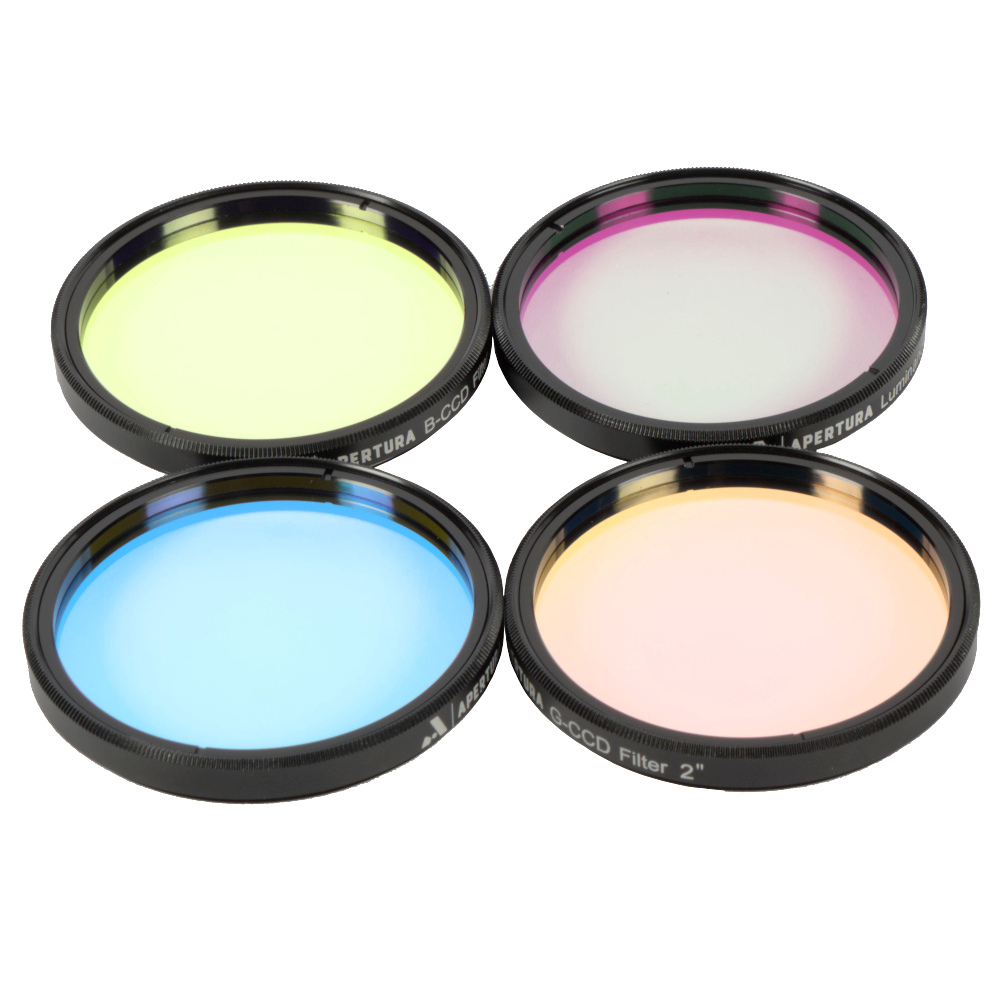
When it comes to broadband imaging and monochrome sensors, the Apertura LRGB Astrophotography Filter Set is a great choice! This set accurately isolates the red, green, and blue sections of the visible light spectrum, which combined with the clear UV/IR cut filter can create beautiful full spectrum images. With an average maximum transmission of 98% across the set, these filters provide you clean data without notably dimming your view and extending your imaging time. They also are backed by one of the best warranties in the industry, and come in at a fantastic value, cementing their spot as our LRGB set of choice!
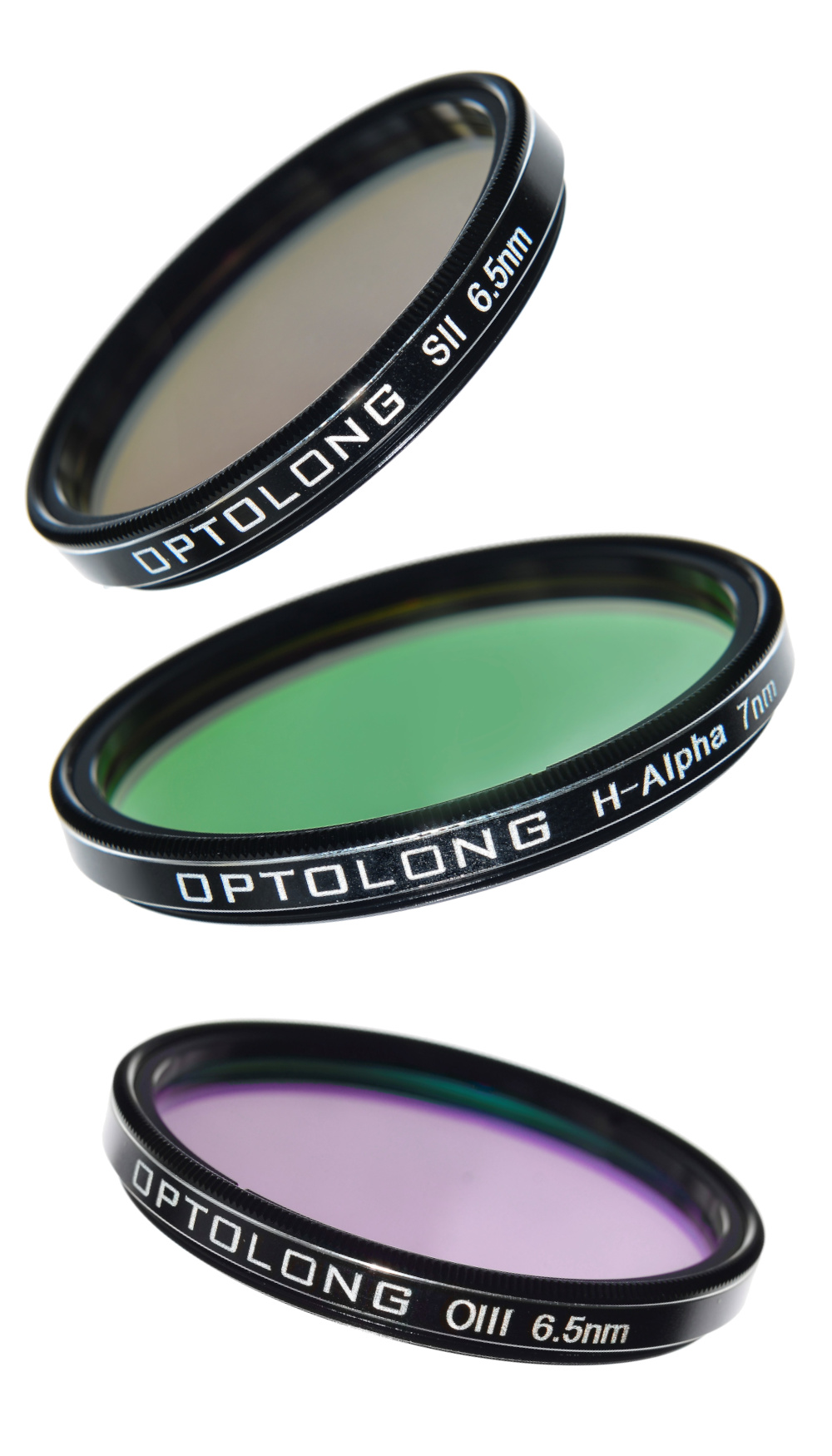

Optolong 2" Filter Set with H-Alpha, SII, and OIII Filters -
| Type | Size(s) | SII, Ha, OIII Emission |
1.25" | 2" (Featured) |
|---|
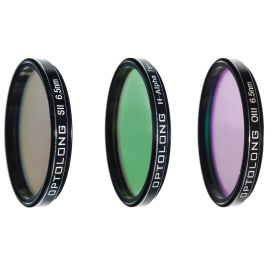
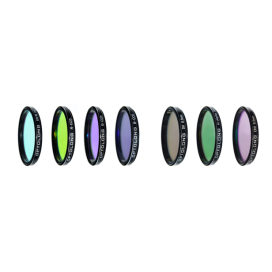
When it comes to honing in on the key SII, Ha, and OIII wavelengths to create powerful and detail rich astro images, we recommend the Optolong Filter Set with Ha, SII, and OIII Filters. With 7 nm and 6.5 nm bandpass filters, this set precisely filters out pollution and extraneous light for crisp data of each key wavelength. This precision filtering is provided by ion-assisted deposited multi-coatings onto Schott glass, ensuring filter coating durability and clarity for a filter set that provides excellent performance for years to come!
Honorable Mention
Optolong Filter Set with LRGB, H-Alpha, SII, and OIII Filters -
If you're looking to image both broadband and emission targets, or give narrowband images a bit of extra dimension with full spectrum stars, we recommend the Optolong Filter Set with LRGB and SHO Filters. This set provides solid performance and is certain to impress with its results, and makes assembling a full monochrome filter set easy by including both the LRGB and SHO sets in one package.
FILTER ACCESSORIES
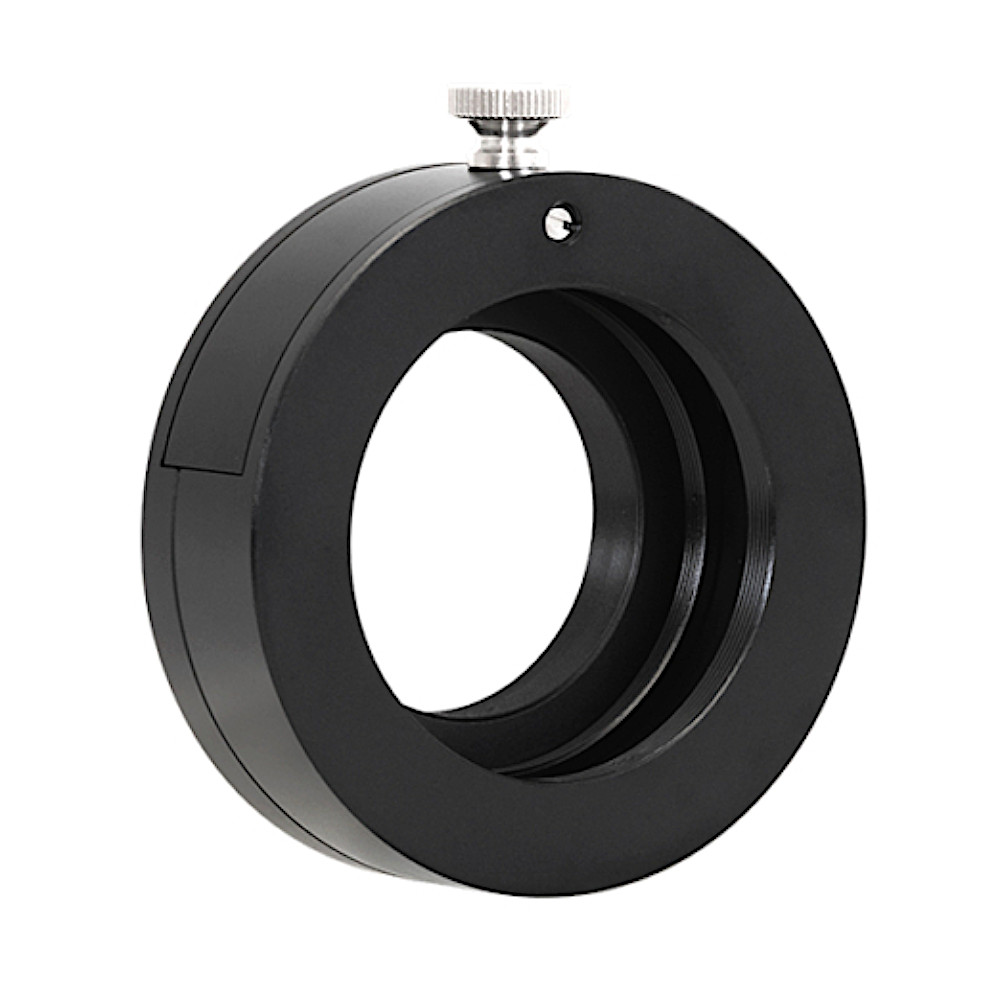
ZWO Gen 2 M42 x 0.75 Filter Drawer for 2" Filters -
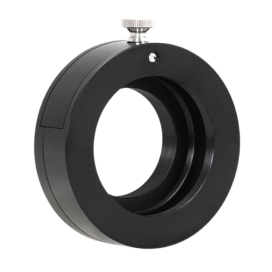
ZWO's Gen 2 M42 Filter Drawer for 2" Filters earns a spot on this list thanks to its tried-and-true design. Simple to integrate with the most common backfocus requirements and spacer sets, most users can add this in without any advanced blueprinting. It supports the common 2" filter standard natively, with the separate 1.25" filter adapter available. Additional drawers are also available, allowing you to swap in filters without needing to juggle uninstalling/ installing filters when moving through your filter collection.
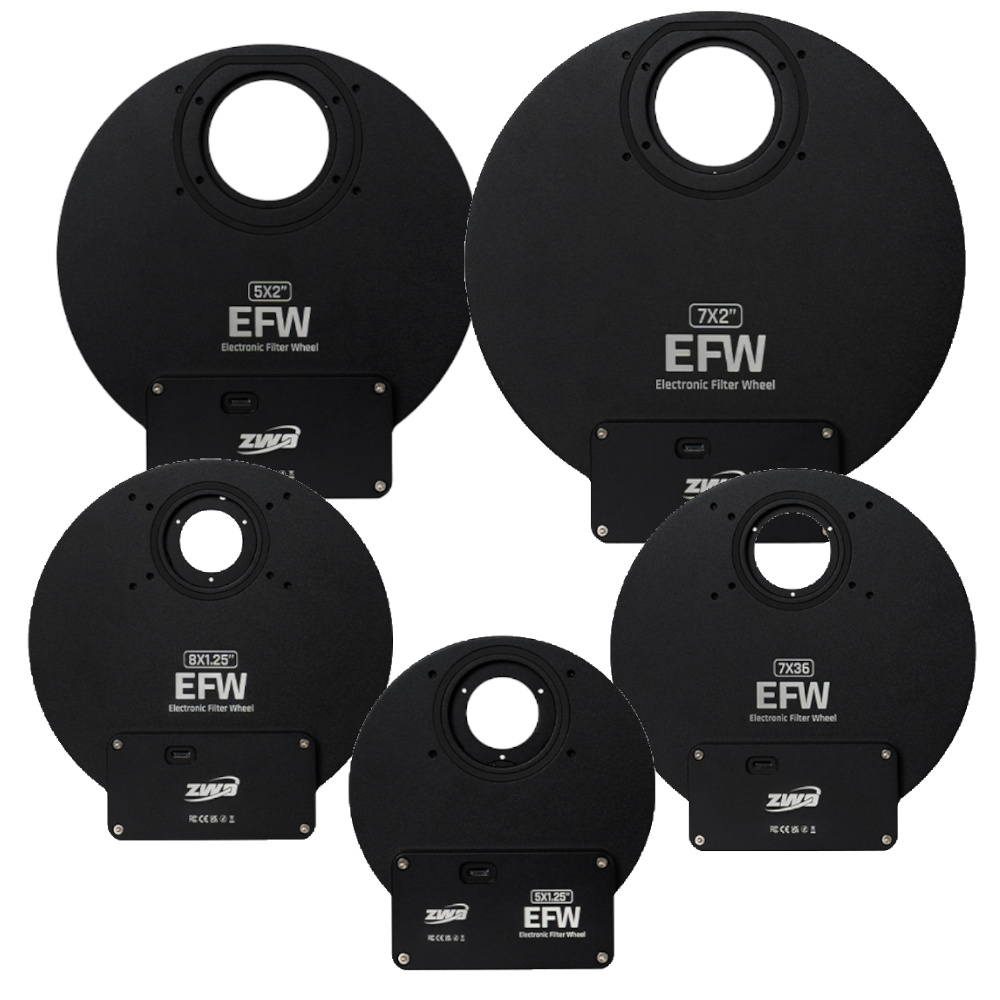
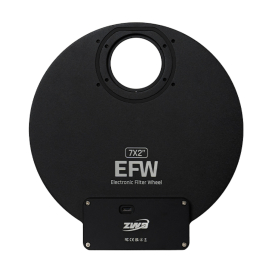
ZWO Electronic Filter Wheels (2025 Version) - to
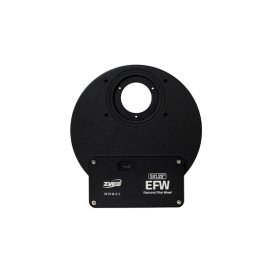
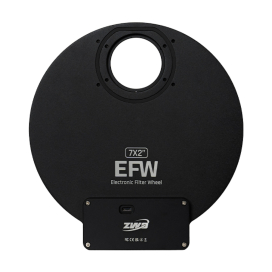
When it comes to integrating filter sets into your imaging train, it is hard to beat ZWO's line of Electronic Filter Wheels. Refreshed in 2025, this line has options for the two most common filter sizes (1.25" and 2") and models suited for one-shot color users or monochrome builds with a single pallette (five position) or imagers looking to integrate multiple sets (seven/ eight position). ZWO incredible compatibility is on display with these offerings, with ASCOM, INDI, and ASIAIR compatibility that allows these to be integrated with the vast majority of control devices and programs in use today. They also are designed to easily integrate with common backfocus trains and ZWO cameras, removing some of the headache that can come along with constructing a more complex imaging train.

Contributing Writers
 Kyle
KyleDenny
Click the arrow above to see MLA, APA, and Chicago Manual of Style citations.
MLA:
Edward Bevan. "Best Filters for Astrophotography" AstronomyHub, High Point Scientific, 10 Feb. 2026, https://www.highpointscientific.com/astronomy-hub/post/astro-photography-guides/best-filters-for-astrophotography.
APA:
Edward Bevan. (2026, February 10). Best Filters for Astrophotography. High Point Scientific. https://www.highpointscientific.com/astronomy-hub/post/astro-photography-guides/best-filters-for-astrophotography
Chicago Manual of Style:
Bibliography:
Edward Bevan. "Best Filters for Astrophotography," AstronomyHub (blog), High Point Scientific, February 10, 2026. https://www.highpointscientific.com/astronomy-hub/post/astro-photography-guides/best-filters-for-astrophotography.
Footnote:
Edward Bevan, "Best Filters for Astrophotography," AstronomyHub, High Point Scientific, February 10, 2026, https://www.highpointscientific.com/astronomy-hub/post/astro-photography-guides/best-filters-for-astrophotography.
This Article was Originally Posted on January 25, 2022