Observatories are home to some of the biggest and most impressive telescopes in the world. As many amateur astronomers know, there are numerous ways to experience the night sky beyond looking through a telescope in your own backyard. Michigan has impressive observatories that offer a wide variety of star parties, tours, and observatory programs that will expand your knowledge of astronomy and your love of the night sky, whether you are new to astronomy or have been in the hobby for years.
For your convenience, we have compiled an alphabetical list of observatories in Michigan that offer programs for the public.
Disclaimer: This information was collected from the observatories’ websites in November 2025. Some information may be subject to change if the websites are updated. If interested in visiting one of the listed observatories, please contact the observatory for the latest information before you visit.
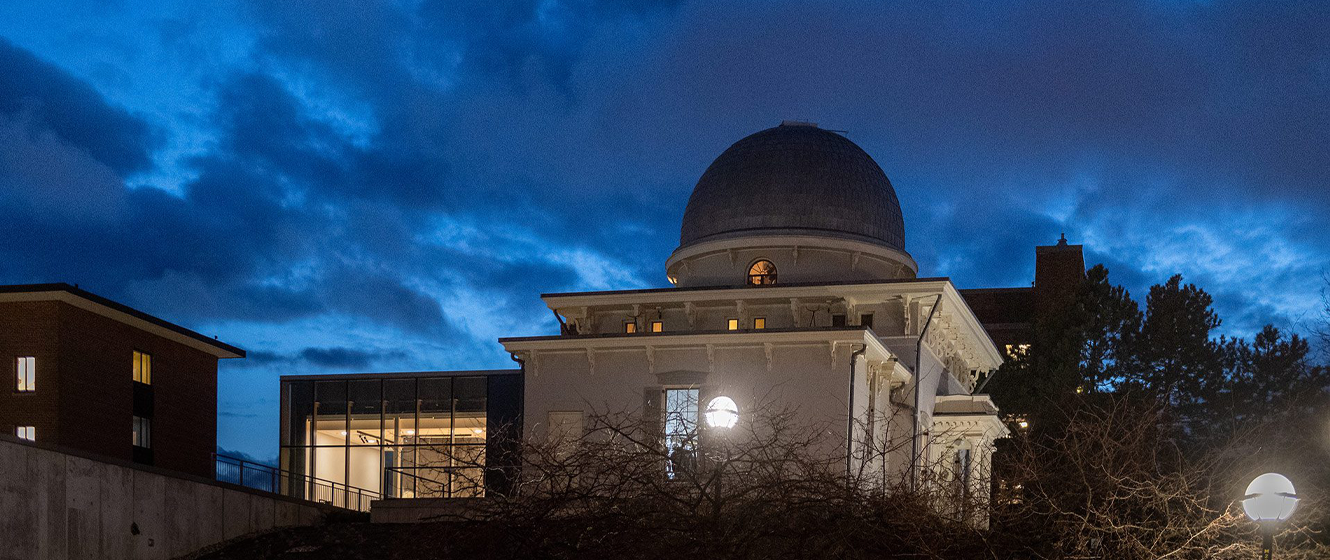
Angell Hall Observatory
The Angell Hall Observatory is primarily a student observatory located in Ann Arbor, Michigan. It is maintained by the University of Michigan LSA’s Astronomy Department and the Student Astronomical Society.
Telescopes
The observatory is home to a 16” Ritchey-Chrétien reflecting telescope equipped with a spectrograph and camera, a small radio telescope, and several 8” Schmidt-Cassegrains.
Visiting
The Student Astronomical Society hosts public open houses at the Angell Hall Observatory. On certain Friday evenings, the observatory will allow the visitors to experience telescope viewing, if the weather permits, and planetarium shows. The schedule for the open houses can be found here.

Image Credit: ANDÚNIË via pinterest
Brooks Astronomical Observatory
The Brooks Astronomical Observatory is part of the College of Science and Engineering at Central Michigan University in Mount Pleasant, Michigan. The observatory was built in 1964 and named in honor of Kendall P. Brooks, who taught astronomy at the university from 1920 to 1947.
Telescope
The Brooks Astronomical Observatory, split into two sections, houses a computer-controlled 16” Newtonian/Cassegrain telescope. The observatory also is home to several smaller telescopes.
Visiting
Monthly public nights at the observatory were established in 1976. Since then, the public nights, also known as Observatory Open Houses, begin at 8pm and end at 10pm. These are held whether the skies are clear or not. The website posts upcoming Open House dates, and these dates can be found here.
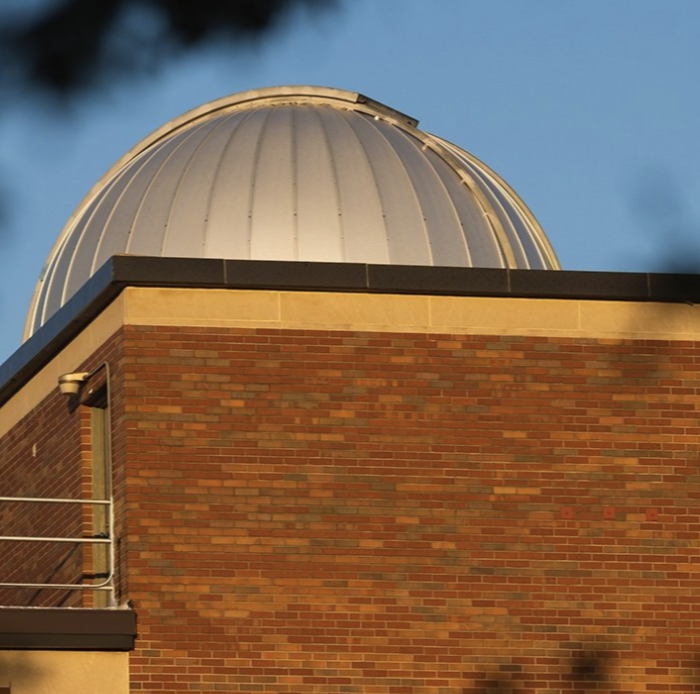
Image Credit: Central Michigan University
Calvin-Rehoboth Observatory
The Calvin-Rehoboth Observatory is part of Calvin College’s Physics & Astronomy Department in Grand Rapids, Michigan.
Telescopes & Equipment
The Calvin-Rehoboth Observatory is home to an Optical Guidance Systems RC16-75F with a carbon fiber tube, a 3” Takahashi refractor FS-78, a Santa Barbara Instrument Group Self-Guided Spectrograph, two Meade LX-90 telescopes, a pair of Celestron 7x50 binoculars, a pair of Orion 10x70 binoculars, an Astrovid StellaCam3 video camera, a ST-237 guiding camera, and Comsoft PC-TCS software.
Visiting
The Calvin Observatory is open to the public on clear nights Monday-Thursday during Calvin's spring semester. During the summer, the observatory is open on clear Wednesday nights. There is no admission fee. For larger groups, the observatory director, Larry Molnar (616-526-6341), should be contacted in advance. The dome will open an hour after sunset and will close at midnight.
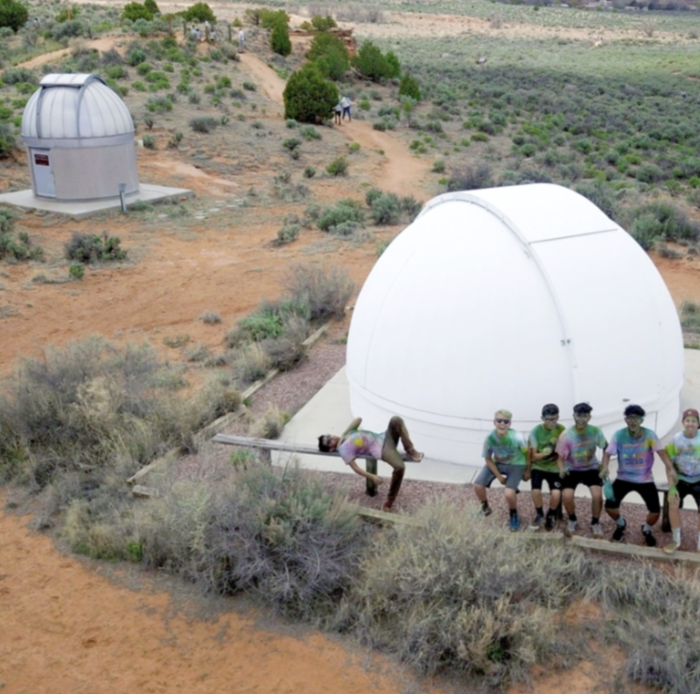
Image Credit: Rehoboth Christian School
Detroit Observatory
The Detroit Observatory was the first observatory ever built in Michigan and is the oldest building on the University of Michigan’s campus. It was opened in 1854 and is located in Detroit, Michigan. With that impressive history, it was listed on the National Register of Historic Places in 1973.
Telescopes
The Detroit Observatory is home to many telescopes: The 12 ⅝” Fitz Refracting telescope, for example. This telescope was completed in 1857, and was one of the largest in the world at the time it was built. It is also home to a 6” Meridian Circle telescope from Pistor & Martins, a 6” Alvan Clark & Sons refractor, and a 37 ½” reflecting telescope.
Visiting
The Detroit Observatory hosts regular public events including observing nights, exhibits, lectures, and more. If you're interested in visiting, the observatory is open for walk-in tours most Thursdays and Fridays from noon to 5pm. For more detailed information on upcoming events, we recommend checking their calendar.

Image Credit: University of Michigan
Fox Park Public Observatory
Fox Park Observatory is located in Potterville, Michigan. The observatory was built entirely on donations and contributions from local businesses. It opened its doors to the public in 1999. It was run by the Capital Area Astronomy Association (CAAA) initially until the Eaton County Parks Department took over maintaining the observatory.
Telescopes
The observatory is home to a 16” Meade LX200 “Classic” computer-controlled telescope, two 12” Meade LX200 “Classic” Computer Controlled Telescopes, two portable 10” Dobsonian telescopes, a 5" refractor telescope, a personal solar telescope, and various other telescopes, binoculars, and equipment provided by volunteers.
Visiting
The Fox Park Observatory is open for public observing during clear nights. Public observation nights and solar viewing days have a small program fee of $2 per person or $5 per family. The schedule is entirely dependent on the weather, so you can find an updated schedule here.
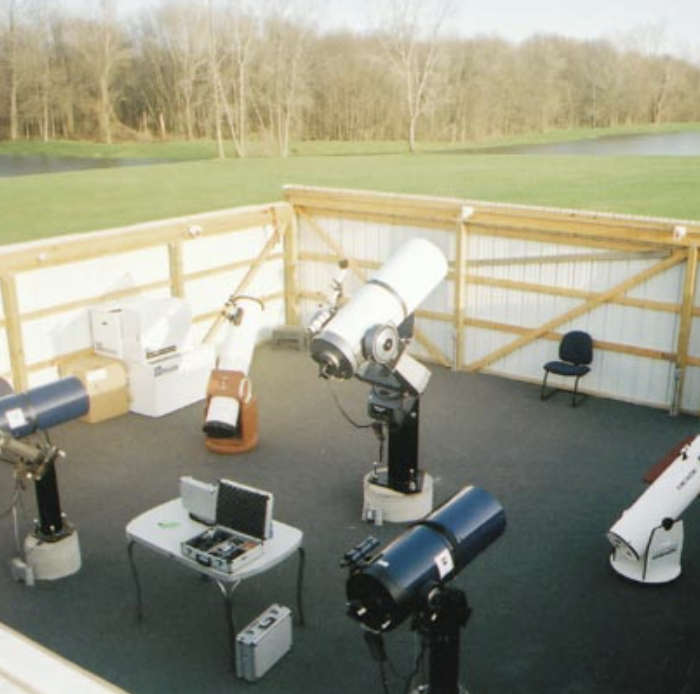
Image Credit: Fox Park Observatory
James C. Veen Observatory
Located near Lowell, Michigan, the James C. Veen Observatory is run by the Grand Rapids Amatuer Astronomical Association (GRAAA) and is a multifaceted educational and research facility. It is named for the co-founder and first president of the GRAAA.
Telescopes
The James C. Veen Observatory houses a 16” Schmidt-Cassegrain, a 14” Schmidt-Cassegrain, a 17” Dobsonian telescope, a Lunt hydrogen-alpha telescope, and several portable instruments.
Visiting
On certain Saturdays of the month (April through October), the observatory is open to the public if skies are clear. These public nights feature the observatory telescopes as well as the telescopes set up by members of the GRAAA, a tour of the facility, and a presentation on the history of the observatory. Admission is $5 for adults, $3 for those who are 17 and younger, and free for children under 5-years-old. The observatory also offers Group Tours. These types of tours feature a tour of the observatory, audio visual presentations, and observations through the large, mounted telescopes. Find more information here.

Image Credit: Kristine K. via Yelp
Joseph H. Rogers Observatory
The Joseph H. Rogers Observatory, part of Northwestern Michigan College, was founded and constructed solely on public donations. The observatory found its home just south of the campus in Traverse City, Michigan.
Visiting
The Grand Traverse Astronomical Society (GTAS) and the NMC student club (the Skyward Scholars) host public viewing nights at the observatory on the first Friday of every month. Visitors can find an updated schedule here.
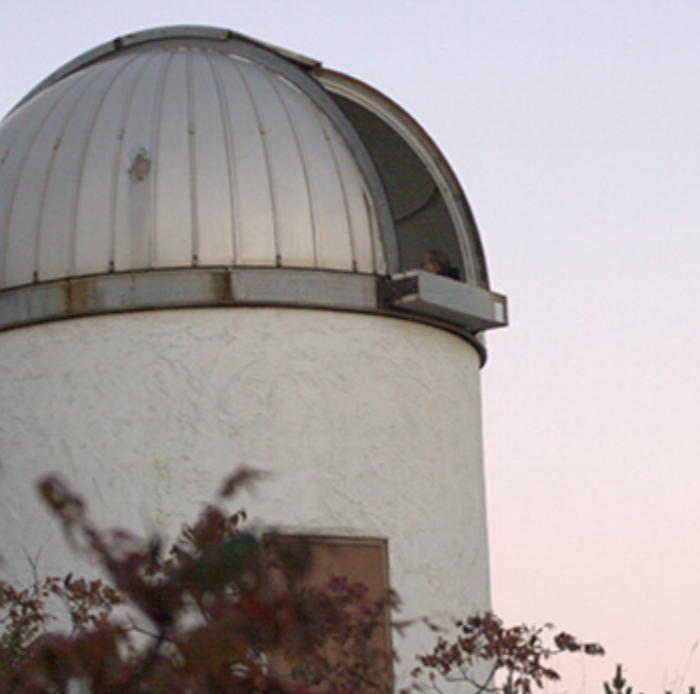
Image Credit: Northwestern Michigan College
MSU Observatory
The Michigan State University (MSU) Observatory, as it is known now, opened its doors in 1969. Previously, the observatory was part of the Michigan Agricultural College and was built in 1881. The observatory is located in Lansing, Michigan.
Telescopes
The MSU Observatory is home to a 24” Ritchey-Chrétien reflecting telescope.
Visiting
MSU Observatory’s schedule of Public Viewing can be found here. These Public Viewing events are free for those who wish to attend. Visitors will have the chance to look through the 24” telescope and there will be many other smaller telescopes set up for the public. Viewing usually starts at 9pm and ends at 11pm, though in the summer, the events will start at 9:30pm.
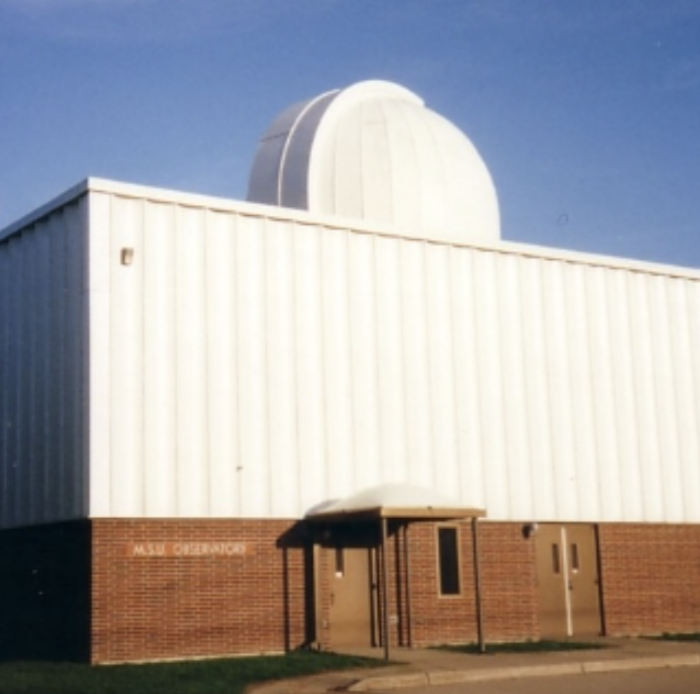
Image Credit: Michigan State University
Interested in finding an observatory or planetarium in your state? Check out our Astronomy Hub!